



X

The brains behind the operation: Sirius & Flo

Posted on: by

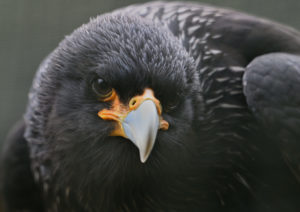
Our Striated Caracara: Sirius and our Crested Caracara: Flo, have both moved aviaries recently. They are now near to our Savannah Arena so as Head of Lower Section of the Trust, means that I now get the pleasure of looking after them on a day-to-day basis.

It’s been very exciting to get my own little Caracara corner of the Trust; I adore working with both species, getting to see their amazing intelligence and abundance of character.  With both of these species being big problem solvers in the wild, it’s very important that we provide them plenty of enrichment opportunities.
Enrichment can be anything we add into our birds’ lives that stimulates cognitive engagement, wellbeing, physical health and encourages natural behaviour. An enrichment example are the flying routines in our demonstrations.

We want our birds to have an engaging life both in and out of their aviary, so when they’re not flying it’s a chance to focus in their aviary on enrichment that engages their different senses or more in depth, tricky problem solving.

Caracaras tend to be confident and curious birds, Sirius and Flo are both wonderful examples of this. These traits make it easy to introduce a large variety of enrichment to them quickly, both have enjoyed things such as puzzle feeders, eggs to crack open, Kongs with insects inside, a ball pit and even a custom made kerplunk style feeder that both swiftly figured out how to ‘solve’ (break) in unique ways!
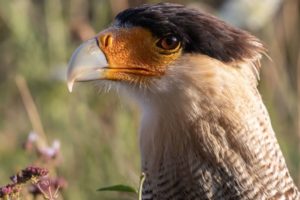
Sometimes though, you can’t beat a classic. Despite the variety of things we have offered them, both birds are still very fond of a cardboard box filled with newspaper, cardboard tubes and egg cartons sometimes with the occasional hidden treat. In either case, give them an hour and you’ll come back to an aviary full of confetti! Sirius loves to display his shredded newspaper in every corner of his home while Flo prefers to take egg cartons and create a pile of finely shredded cardboard.

It’s an absolute joy to see their personalities shine through in these activities and if you’d like to see it for yourself keep an eye out when visiting or you may get a chance to see it during our species spotlight.
Samik’s Marion Paviour Award Update – Stepping in the right direction

Posted on: by

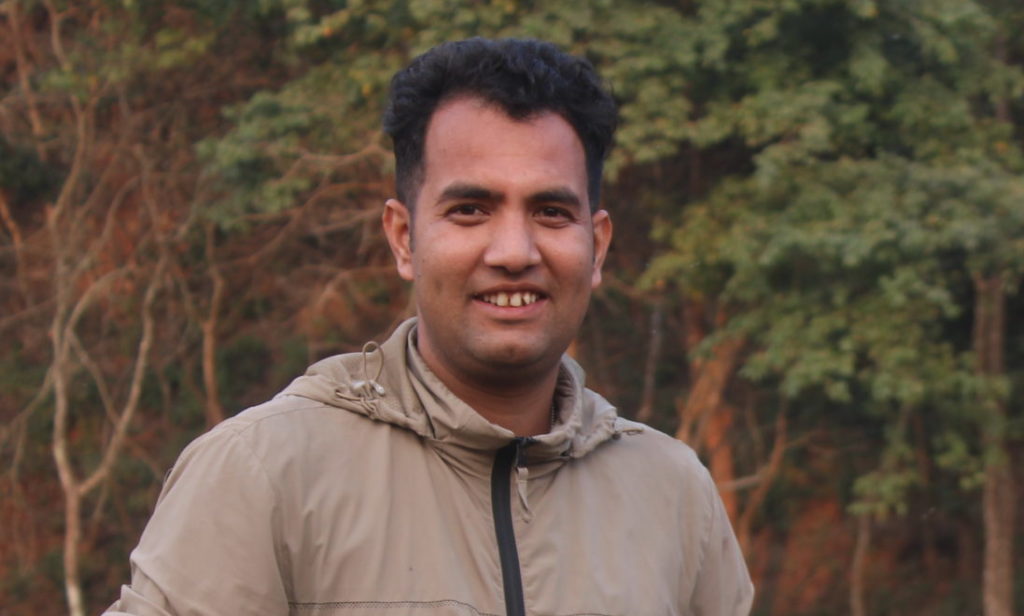
Our 2025 Marion Paviour Award winner, Samik Bista, has been making some great progress with his project.

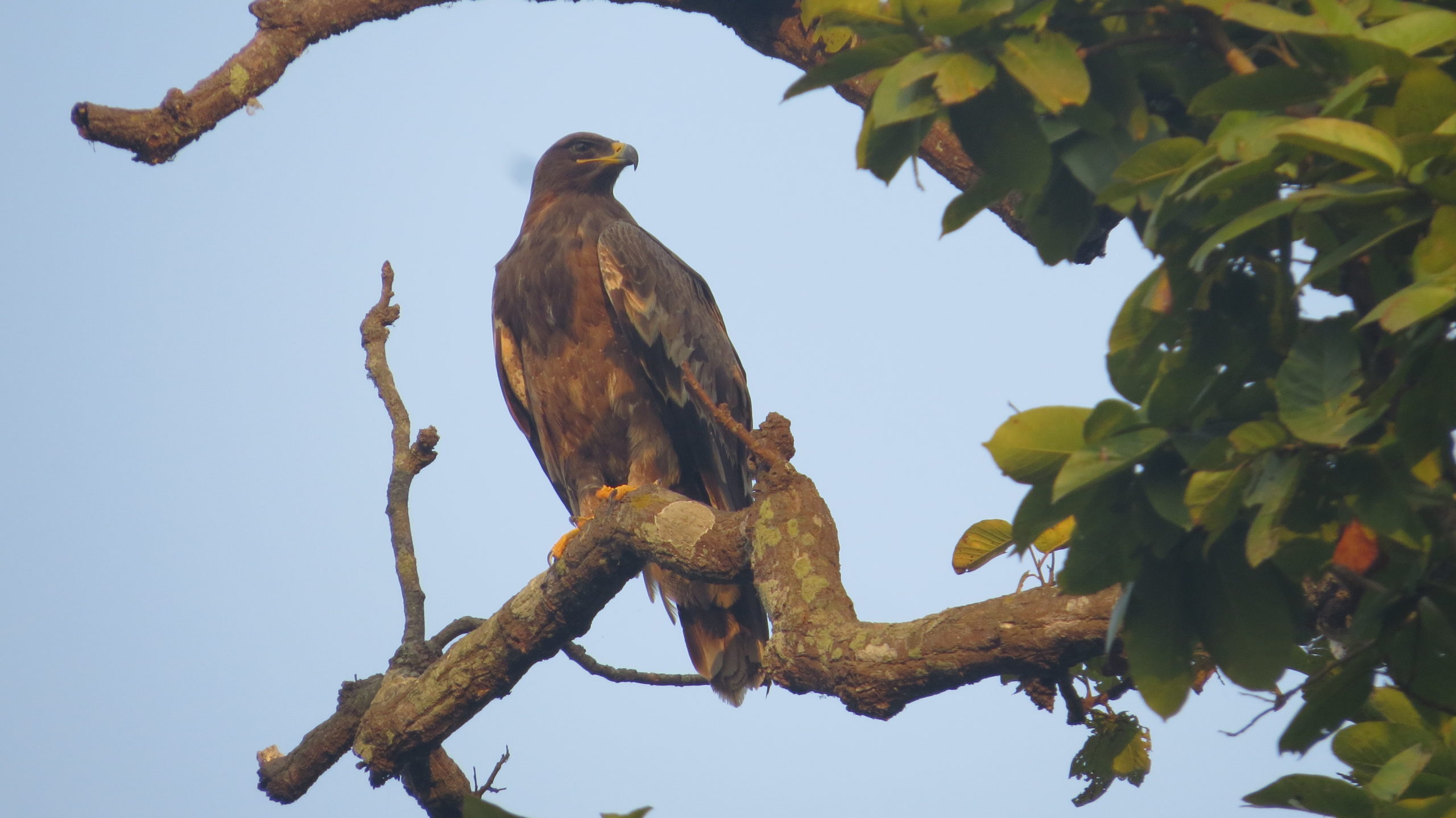
Samik’s project seeks to address critical knowledge gaps about Steppe Eagles in Nepal. Steppe Eagles are listed as Endangered on the IUCN Red List of Threatened Species. They are a wide-ranging migratory species and face a high risk of decline, primarily driven by the loss of steppe habitat, compounded by poisoning, persecution and power line collisions. Despite regular winter sightings in Hetauda, Nepal, very little is known about what habitat they are using and what local threats they face. By undertaking field surveys in the area around Hetauda, he hopes to evaluate the species’ current status including its distribution, habitat preferences, and the threats it continues to face. Samik’s project will also implement targeted conservation awareness programmes to engage local communities and stakeholders, encouraging a shared commitment to protecting Steppe Eagles and the habitats they depend on.

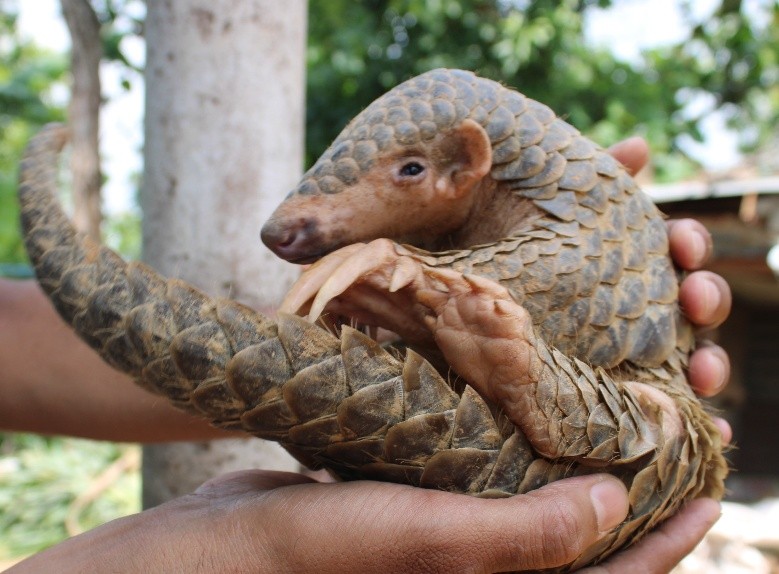
So far, Samik’s project has supported and collaborated closely with the International Forestry Students’ Association (IFSA) Hetauda, to conduct the IFSA Hetauda Cultural Night, along with three days of exhibitions, quizzes, and capacity-building activities. The program also included a Youth Parliamentary Model discussion session focused on ecosystem and biodiversity conservation. Overall, this collaboration connected and engaged more than 150 forestry university students – a really encouraging number! Some of Samik’s community work even included a pangolin rescue. As pangolins are also highly threatened by the illegal wildlife trade, it is encouraging to see local residents taking an active role in protecting these species as well.

Since then, Samik has also recently completed the main phase of data collection and monitoring for the project. This involved systematic field surveys focused on Steppe Eagle observations, habitat use, and distribution within the study area. Alongside this, Samik and his team also conducted monitoring unit training with local participants and team members to improve their knowledge and enhance the capacity and reliability of data collection from local fieldworkers through standardised data collection methods. The training has helped ensure consistency in the observation techniques used, recording procedures, and basic field monitoring protocols – ultimately ensuring more robust and reliable data too!

Having completed the intensive data collection phase, Samik now plans to return to more engagement-focused and capacity-building activities through a variety of conservation campaigns. These efforts will help underpin the long-term sustainability of the project and support its ability to achieve his key objectives – improving understanding of Steppe Eagle populations in the region, increasing public awareness, reducing the key threats they face, and strengthening long-term conservation efforts for this endangered predator.

We are excited to see how Samik progresses with the remainder of his project and are pleased to be contributing to this important work to help these Endangered eagles.


©2026 Hawk Conservancy Trust