



X

We have our 2026 Marion Paviour Award winner – Mohamedi Kidogo from Tanzania!

Posted on: by

We are excited to announce that the winner of our 2026 Marion Paviour Award is Mohamedi Kidogo from Tanzania!

Mohamedi’s project title is: ‘Community Based in Conservation Of White-backed Vulture (Gyps Africanus) in the Selous-Niassa Transfrontier Conservation Area, Nanyumbu District, Tanzania.’

The Marion Paviour Award was named after our former chairperson and was established in her memory to support research into the conservation of birds of prey. It is aimed at early-career researchers working towards this goal. Mohamedi is the ninth award winner, and we are extremely proud to help new raptor biologists’ careers take off!
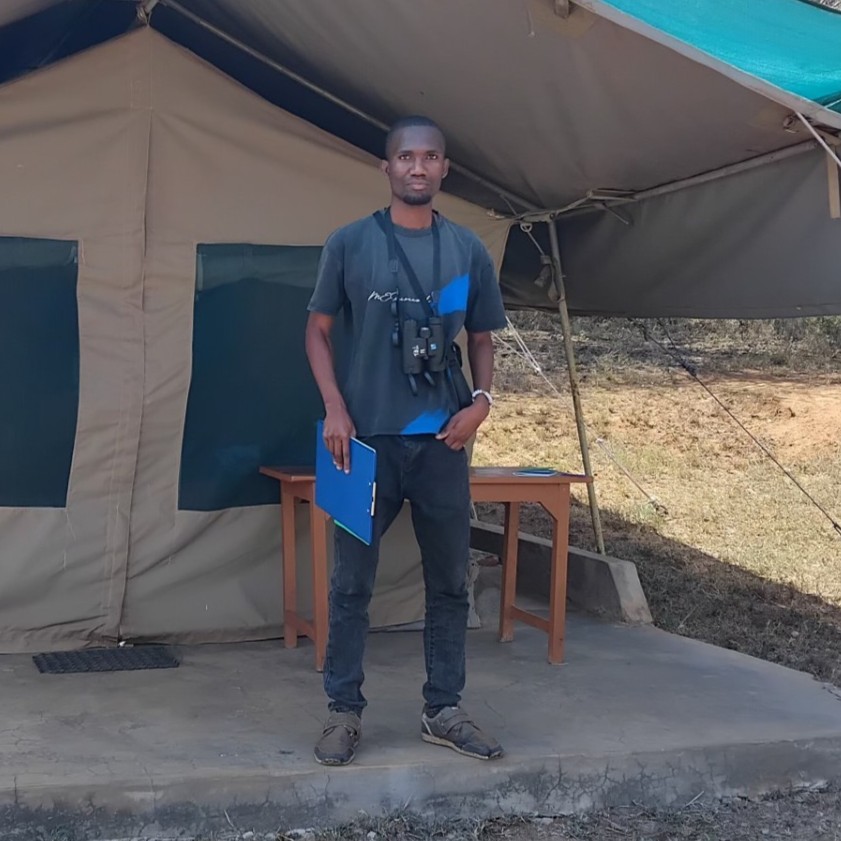
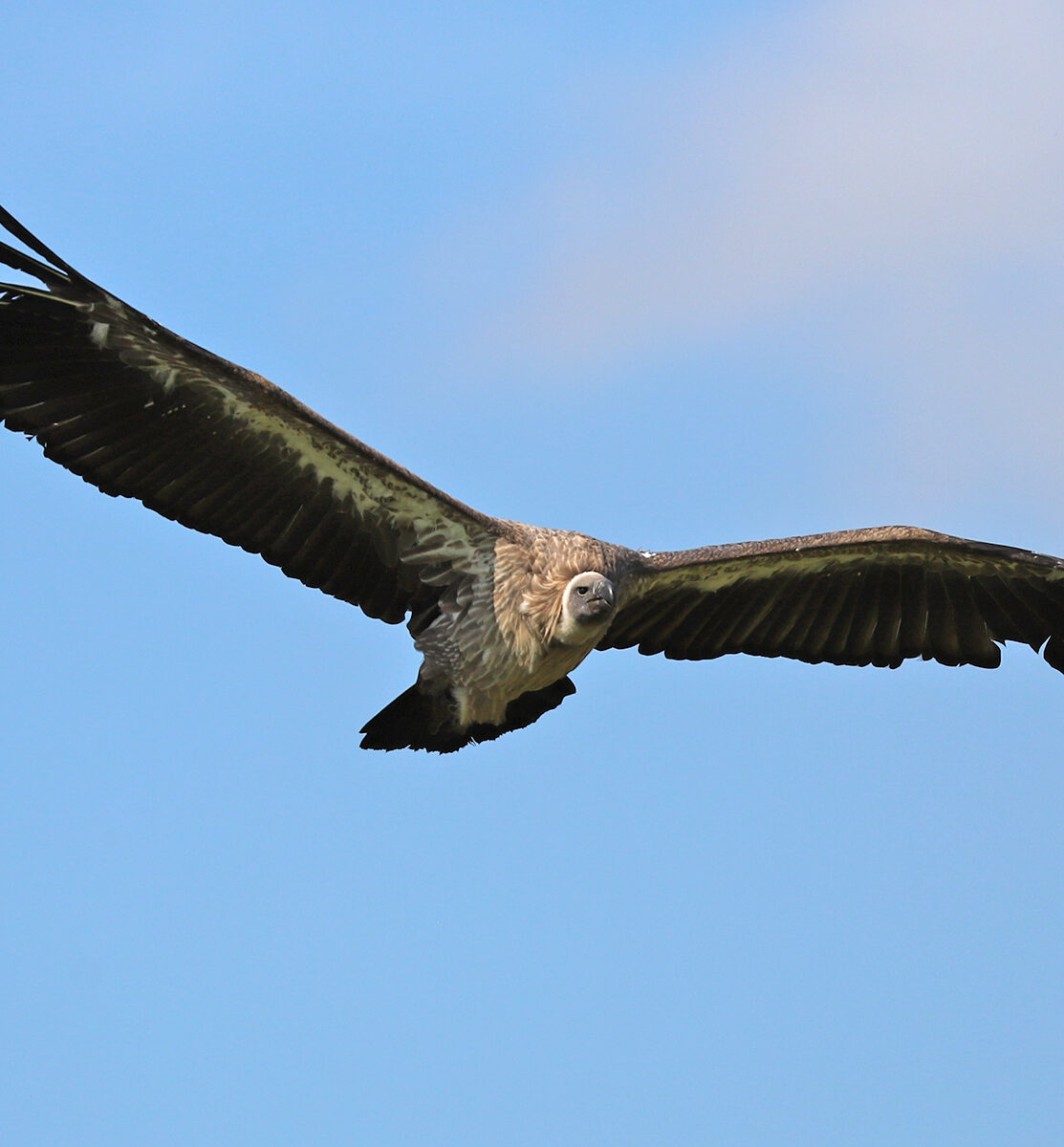
His project aims to document threats to White-backed Vulture populations in the Selous-Niassa Transfrontier Conservation Area and build the first community-based conservation network, including trained ‘Vulture Guardian Scouts’, empowered Village Natural Resource Committees, and the distribution of 1,200 Swahili-language leaflets to reduce poisoning, nest destruction and persecution in one of East Africa’s most critical and under-resourced raptor corridors.

The White-backed Vulture is listed as Critically Endangered on the IUCN Red List, with populations declining rapidly across sub-Saharan Africa.

The Selous-Niassa Transfrontier Conservation Area, linking Tanzania’s UNESCO World Heritage Site Nyerere National Park with Mozambique’s Niassa Special Reserve, is one of the last intact wildlife corridors in East and Southern Africa, yet no active vulture conservation programme operates in the area. The IUCN identifies Nanyumbu District as a high-threat zone, while neighbouring Tunduru District has already lost its populations of the species.

Three key threats have been identified as drivers of local declines: (1) deliberate carcass poisoning by poachers to prevent circling vultures from alerting rangers to illegal kills; (2) illegal logging of Ficus trees, the species’ primary nesting and brooding sites; and (3) persecution fuelled by traditional beliefs that vulture head parts bring good luck. As the species forages widely beyond protected areas, community-led conservation could be essential to its survival. It is this element that Mohamedi’s project will primarily focus upon.
Mohamedi was delighted to be named our 2026 Marion Paviour Award winner and told us: “For me personally, this award is an important step in my career as a raptor conservationist in Tanzania. With the support of the Marion Paviour Award, I will start the first community-based conservation programme for the White-backed Vulture in the Selous-Niassa Transfrontier Conservation Area. Vultures here face poisoning, the cutting down of the Ficus trees they nest in, and persecution linked to traditional beliefs, yet no programme currently protects them in this landscape. Working with the District Wildlife Game Officer and Village Natural Resource Committees across 10 villages in Nanyumbu District, five of which will have intensive training, I will map threats to vultures, train Vulture Guardian Scouts and run community awareness meetings. My hope is that this project becomes a lasting foundation: local people leading vulture protection, with evidence that attracts long-term support.”

We look forward to seeing how his project progresses and sharing that with you. Congratulations again, Mohamedi!
The winner of the 2025 Marion Paviour Award!

Posted on: by

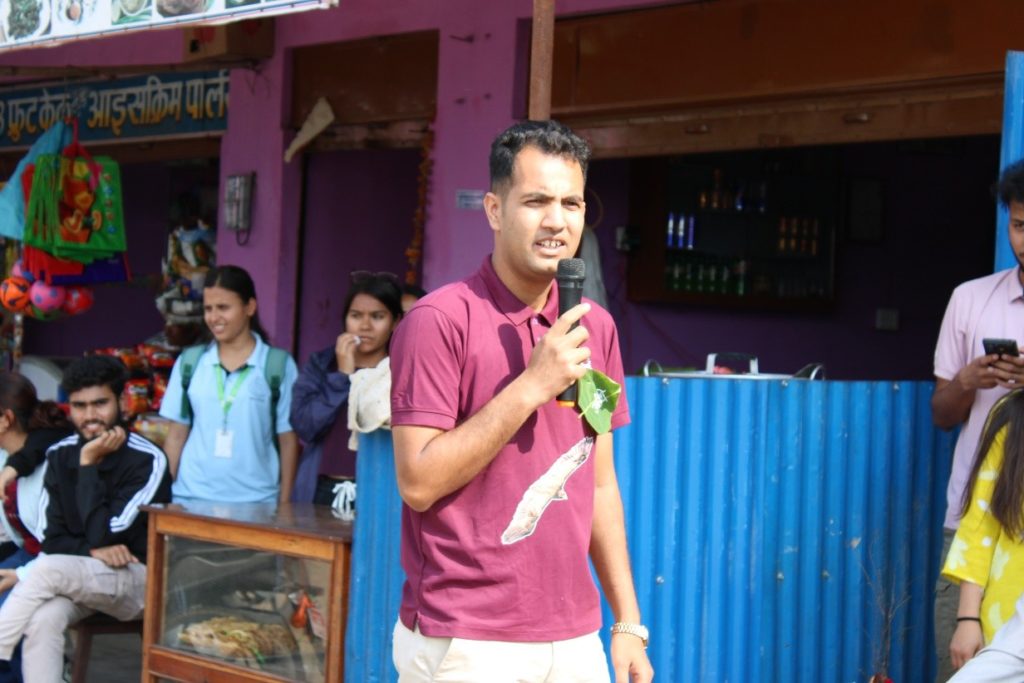
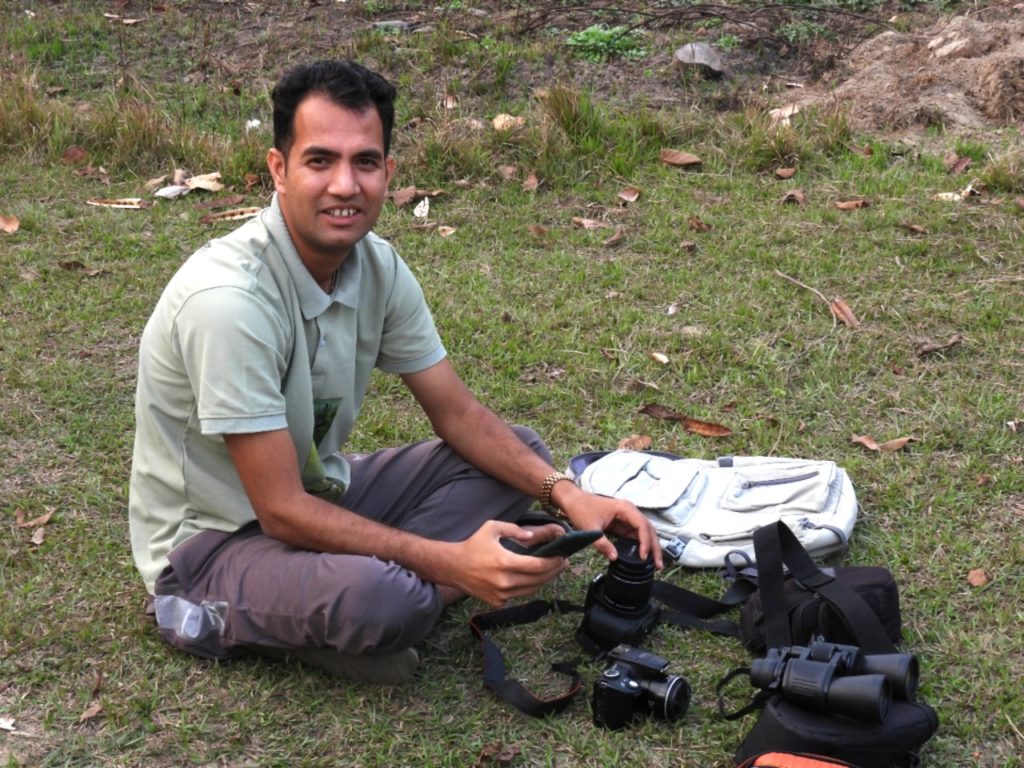
We are very excited to announce our 2025 Marion Paviour Award winner – Samik Bista!

Samik’s work will be on the stunning Steppe Eagle. These Endangered eagles get their name from their preferred breeding habitat – the steppes of Central Asia. While the current estimate for their global population stands at just over 31,000 pairs and around 94,000 individuals in total, this is based on studies from 2015 and 2016, and there may well be fewer now as their population trend is declining.

Alarmingly, a study in 2014 showed that Steppe Eagles are also impacted by exposure to diclofenac (a non-steroidal anti-inflammatory drug (NSAID) used to treat livestock) in the same way that many vultures in South Asia are and have been – a major conservation concern that we have worked on for many years. The use of these toxic NSAIDs have resulted in an unprecedented decline in vulture population numbers in South Asia. This serves to underline the importance of our work with our partners in Asia to help remove toxic NSAIDs from the market but also the need for wider collaborations and work on different species, such as with our Marion Paviour Award winners, to try and best conserve and protect as many birds of prey as possible.

Samik’s work will take place in Nepal, where a considerable amount of work to ban NSAIDs and make the environment safer for birds of prey has already happened and is yielding positive results for vulture populations. Threats to vultures and other birds of prey still exist here nonetheless, and Samik’s work will look at how to address some of these and encourage long-term and sustainable protection of these birds through engaging communities in this work.

Hear from Samik below as he introduces himself and his project and what winning the Hawk Conservancy Trust’s Marion Paviour Award means to him.

“My name is Samik Bista, and I am leading a project titled “Breaking Barriers to Steppe Eagle Conservation through Research, Education, and Community Action in Hetauda, Central Nepal.” The Steppe Eagle, listed as Endangered on the IUCN Red List, is experiencing rapid population decline from threats including habitat loss, persecution, and collisions with powerlines. Despite regular winter sightings in Hetauda, very little is known about what habitat they are using and what local threats they face. Through systematic surveys and community engagement, this project aims to generate vital data, identify key habitats, and inspire local stewardship for Steppe Eagle conservation.

The Marion Paviour Award will be transformative in enabling both research and community action. It will directly support our field surveys, awareness campaigns, and capacity-building programs, allowing us to train local birdwatchers and students as ‘Steppe Eagle Guardians.’ Beyond funding, this award provides recognition and encouragement that strengthens my commitment to raptor research and conservation. It will help me develop advanced field, analytical, and leadership skills essential for my long-term goal of becoming a conservation biologist dedicated to protecting birds of prey and promoting community-based wildlife conservation across Nepal.”

Come along to the Trust to see Stilton, our Steppe Eagle, as he showcases these stunning birds, helping raise awareness about the species and the realities the wild population faces.

Meet the winner of the 2023 Marion Paviour Award

Posted on: by

Congratulations to Ivan Oruka – the winner of our 2023 Marion Paviour Award!

Ivan is currently studying at Gulu University, Uganda, undertaking a Master’s degree in Environmental Science and Natural Resource Management.

Ivan is currently undertaking a project that is leading the way for research on Critically Endangered Rüppell’s Vultures. His work is focused in the Luku Central Forest Reserve, where he is studying the only known breeding colony of these important birds in the entire country of Uganda.

This project is the first of its kind in the country – trailblazing the way forward for future conservation efforts to conserve this species of vulture. Ivan is currently gathering data to determine the size of the breeding population within this area, identify what seems to influence which cliff ledges the vultures use to nest on, and finally, what their breeding success rate is and what could influence their success.

Our Marion Paviour Award grant has supported Ivan with this research. These funds have allowed him to cover costs associated with travel to the reserve, some of the equipment he is using to carry out his research, and local costs to cover permits for access to protected forest sites.

On winning the award, Ivan commented:

“To receive this award from you, joy and happiness are an understatement. This award is a timely fuel to my work and just like my birds of interest, my research activities are definitely going to soar. Because I am studying the last members of the species, this award is a dawn of hope to them. In fact, I dedicate it to my birds. All together for community transformation to save the plight of vultures.”

Since receiving the award, Ivan has collected four months of data, and is beginning to interpret what the research can tell us about these precious birds. He has also observed new chicks at the nest sites over the winter months – fantastic news!

Keep your eyes peeled as we continue to share updates from Ivan’s work conserving these Critically Endangered vultures.

Marion Paviour Award 2022 winner announced!

Posted on: by

We are very excited to introduce our latest recipient of the Marion Paviour Award for 2022, Sopani Sichinga. Sopani is a BSc Forestry graduate from Mzuzu University in Malawi, and has been working with the Department of National Parks and Wildlife (DNPW) mainly in the Vwaza Marsh Wildlife Reserve in northern Malawi.

His research project for the award focuses on assessing the Martial Eagle (Polemaetus bellicosus) in and around Vwaza Marsh Wildlife Reserve. Currently, Martial Eagles here are reported as being resident although a comprehensive assessment of the population has not been carried out despite concerns about recent declines in population numbers.

The Marion Paviour Award is aimed at furthering research into the conservation of birds of prey and is intended to support early-career researchers. The award will help cover food, accommodation, field expenses and fuel costs for Sopani’s fieldwork.

“My current research study on assessing the Endangered Martial Eagle sparks from my enthusiasm to study raptors and other birds in Vwaza. The Martial Eagle is of particular interest because the species occurs there, but its conservation status remains unknown despite its reported continued declines which have contributed to the species being up-listed to Endangered by the IUCN in 2020.

“As a way to help in conserving this iconic species in Vwaza, I applied for the Marion Paviour Award with the Hawk Conservancy Trust. I feel very privileged and happy to have won the award which will significantly help to raise awareness regarding the status of the Martial Eagle in Vwaza Marsh Wildlife Reserve, and lead to conservation action from the relevant organisations. My passion for conservation in general has continued to grow from when I was working in the field of conservation research and helping with a range of conservation projects in Malawi.

“The support of the Hawk Conservancy Trust is, therefore, highly appreciated as it will help with field resource mobilisation which remains a challenge when planning any research fieldwork.”

Sopani submitted a compelling application for the award, which highlighted the lack of detailed knowledge about Martial Eagles in his study area and how his project will fill an important gap by creating a vital baseline about a potentially important population of this Endangered species. Sopani began fieldwork in April and we look forward to sharing updates and pictures throughout the year on the project.

Meet Jaime Carlino, our Marion Paviour Awardee 2021

Posted on: by

We are very excited to introduce Jaime Carlino, our 2021 Marion Paviour award winner, a graduate student on Humboldt State University’s Barn Owl Research Team. Jaime works in the vineyards of Napa Valley, California and is studying where Barn Owls prefer to nest, how healthy they are and what effects this has on how successfully they reproduce. This work is particularly fascinating for us, as it aligns with our British conservation work providing nest boxes for owls. Jaime tells us more below! (more…)

©2026 Hawk Conservancy Trust