




With your dedicated support, our 60th Anniversary year has been one of our biggest yet. From helping us approach one of our most ambitious fundraising targets ever to massive steps forward in our conservation work, you’ve helped us fly in our mission of conserving birds of prey and their habitats. As this monumental year draws to a close, we’re reflecting on what we’ve achieved with your help, and looking ahead to what 2026 holds.
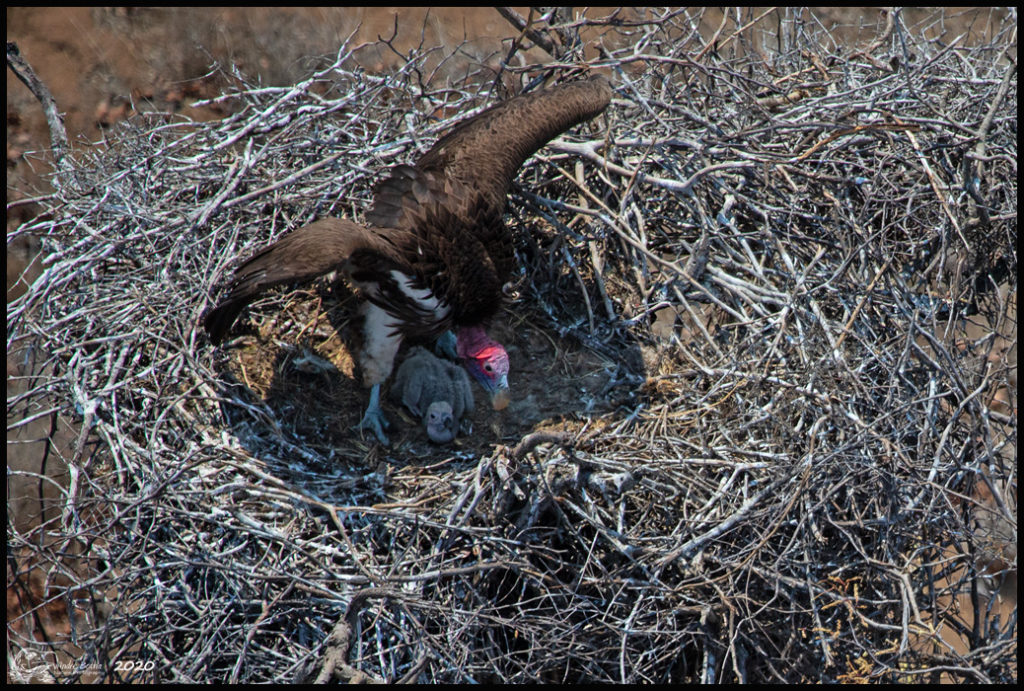
Lappet-faced Vulture
This year has seen us realise an exciting development in our conservation work – the launch of our very first ’tree-safe installations‘ to protect Lappet-faced Vulture nest trees from elephant damage! The money raised in our Team Challenge fundraising from last year has been essential in progressing our efforts with practical interventions. This represents a major step forward for the project, moving from years of monitoring to actively testing a hands-on intervention strategy.
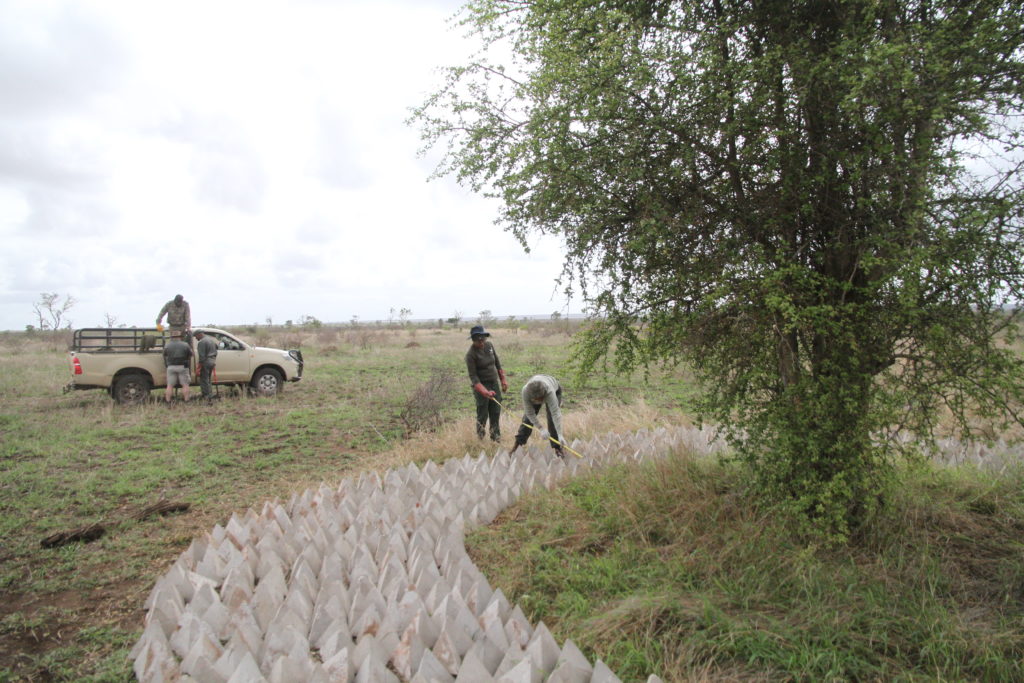
Elephant activity poses a serious threat to the vital breeding population of Lappet-faced Vultures in Kruger National Park, with many nesting trees being pushed over and lost. To tackle this, we are implementing a protection method built on a traditional strategy – installing large concrete blocks in a ring around the base of the nesting trees. These blocks are pointed and act as a physical deterrent, preventing elephants from reaching the trunks while leaving other wildlife and the surrounding habitat unaffected – key criteria for the mitigation strategy.
Each installation is a huge effort, taking around 2,000 concrete blocks per tree, plus significant logistical work to transport and install them deep within the bushveld of Kruger National Park. Despite the challenges, the design meets our goals perfectly as it is durable, low-maintenance, and minimally invasive.
We are starting with a pilot phase that will protect and monitor six trees, and assessing the effectiveness of this approach before expanding to safeguard more nesting trees in the future upon success of the pilot. It is a bold and practical step toward securing the future of South Africa’s Lappet-faced Vultures.
Central Asian Vulture Project
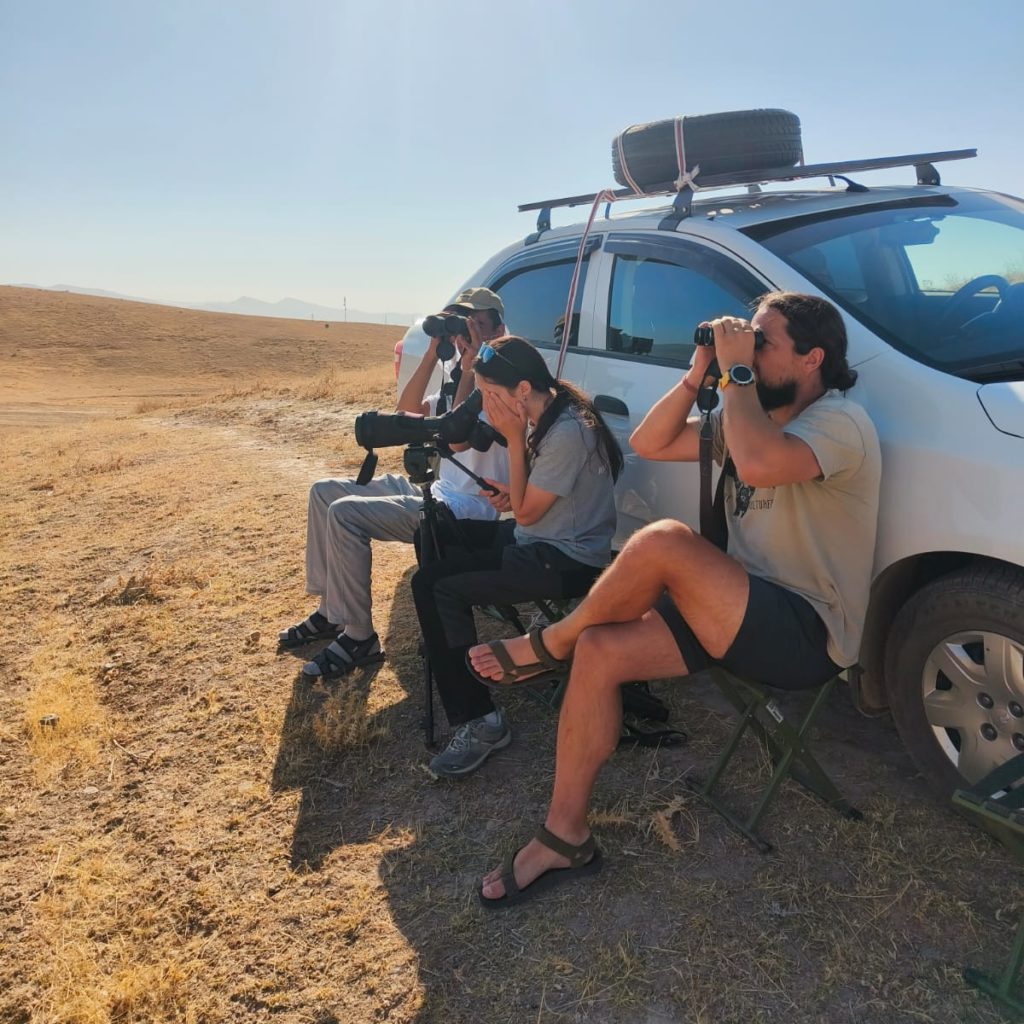
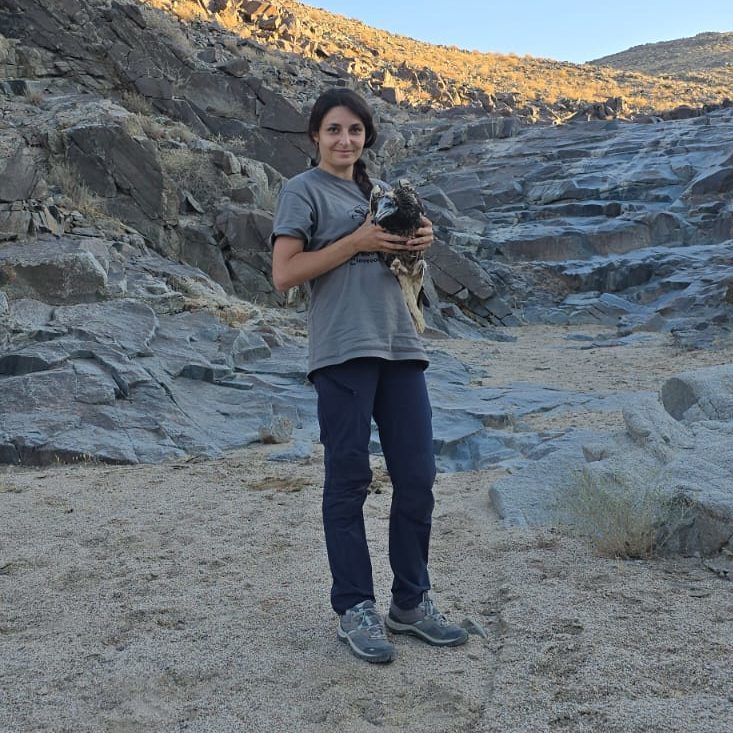
Fieldwork this year included five successful congregation counts in Uzbekistan and one in Tajikistan, as well as the identification of some more nesting grounds. These provide valuable data towards one of the main objectives: estimating the size of the Egyptian Vulture population in the region.
We also expanded fieldwork into Kyrgyzstan for the first time, meaning birds have now been tagged in Uzbekistan, Kazakhstan and Kyrgyzstan for this project. This year saw three juvenile Egyptian Vultures tagged in Uzbekistan and two in Kyrgyzstan, while project partners in Kazakhstan added a further four birds. Despite these positive steps, we have also seen several tags lose signal in the second half of the year, with a number of these confirmed as mortalities. While this is always upsetting to see, the loss is not in vain because it is providing incredibly important information on survival rates and threats that face this migrating population. As we continue to track more birds, this information will build up to provide an incredibly valuable picture that can underpin practical conservation strategy and efforts.
Pakistan Vulture Recovery Project
The PVRP project had a productive year in the community despite some significant challenges. The establishment of three Nature Clubs in three schools in District Kotli in Azad Jammu and Kashmir was a key achievement. Awareness sessions with the students aimed to increase their knowledge and sensitivity to the importance and ecological role of vultures in the ecosystem, the threats these birds face, and the role students and local communities can play to protect vultures.
The project has also received some funding to enhance its national-level advocacy efforts, which aim to strengthen regulations and promote a ban on vulture-toxic veterinary drugs, specifically aceclofenac, ketoprofen, and flunixin, in Pakistan. Pakistan, thus far, has lagged behind other countries in the region in banning additional vulture-toxic NSAIDs. This new work represents a crucial step toward accelerating progress in this area. The project ultimately seeks to use targeted, evidence-based advocacy efforts to secure a nationwide ban on these harmful drugs.
Breeding in Changa Manga continues successfully, with two more White-rumped Vulture chicks successfully fledging at the breeding centre this season. The breeding centre now houses a total of 33 White-rumped Vultures, with all vultures in good health and feeding well.


Kestrel Conservation Monitoring
This year, our Team Challenge fundraising has supported our Kestrel Monitoring Conservation work, and it has been an exciting year of progress! We have launched a brand new phase of research – tracking adult nesting Kestrels. This is the first time such movement data has ever been collected in the UK, marking a major step forward in understanding these incredible birds and the reasons behind their decline in many parts of the country.
So, what exactly are we hoping to gain from the data?
The main aim of tagging adult nesting Kestrels is to find out which habitats and areas Kestrels prefer to use when raising their young. There are many factors involved and plenty of questions we expect to explore, but our key focus is on understanding how changes to the landscape, and especially those brought about by different environmental schemes, affect how Kestrels use these areas. By identifying where Kestrels concentrate their hunting across a landscape, we hope to measure how different habitat features influence their hunting success – and by extension nesting success – and once we know that, work to increase the amount of habitat that is most beneficial.
Working out how a species like the Kestrel uses its habitat is not easy though. One option is direct observation by fieldworkers, but this takes a lot of time, focus, and usually several fieldworkers, since the birds often move out of sight as they leave the nest area. Electronic tracking offers an exciting alternative, allowing us to gather detailed data with much less time in the field, and it means we can study more birds throughout the breeding season.
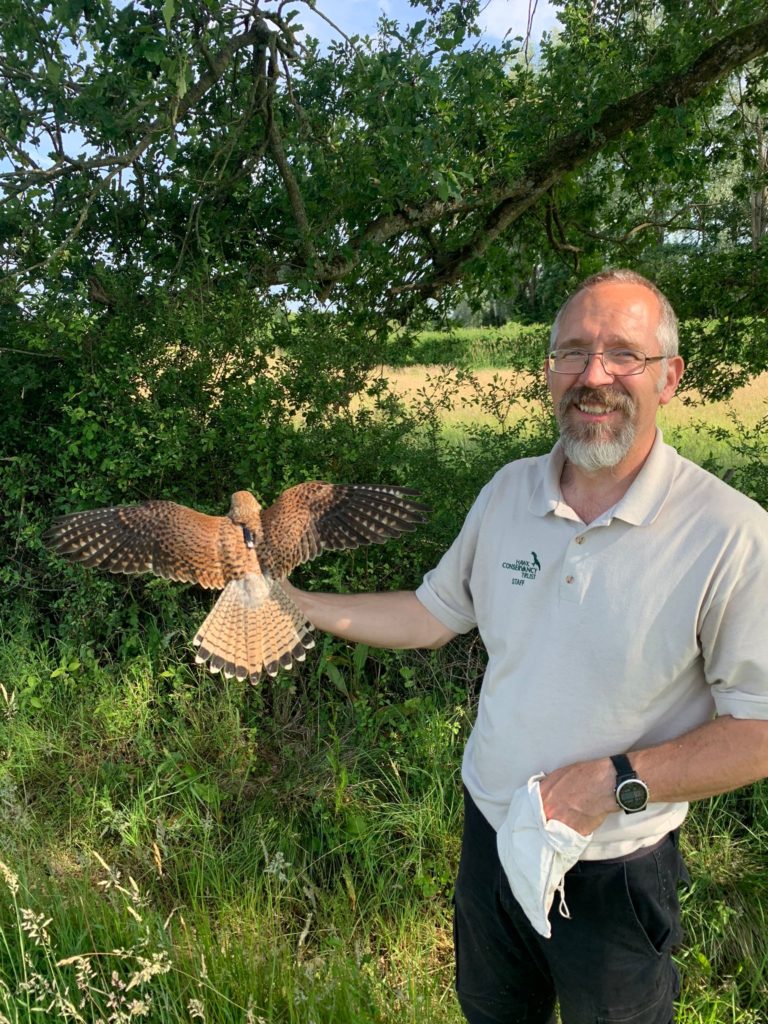
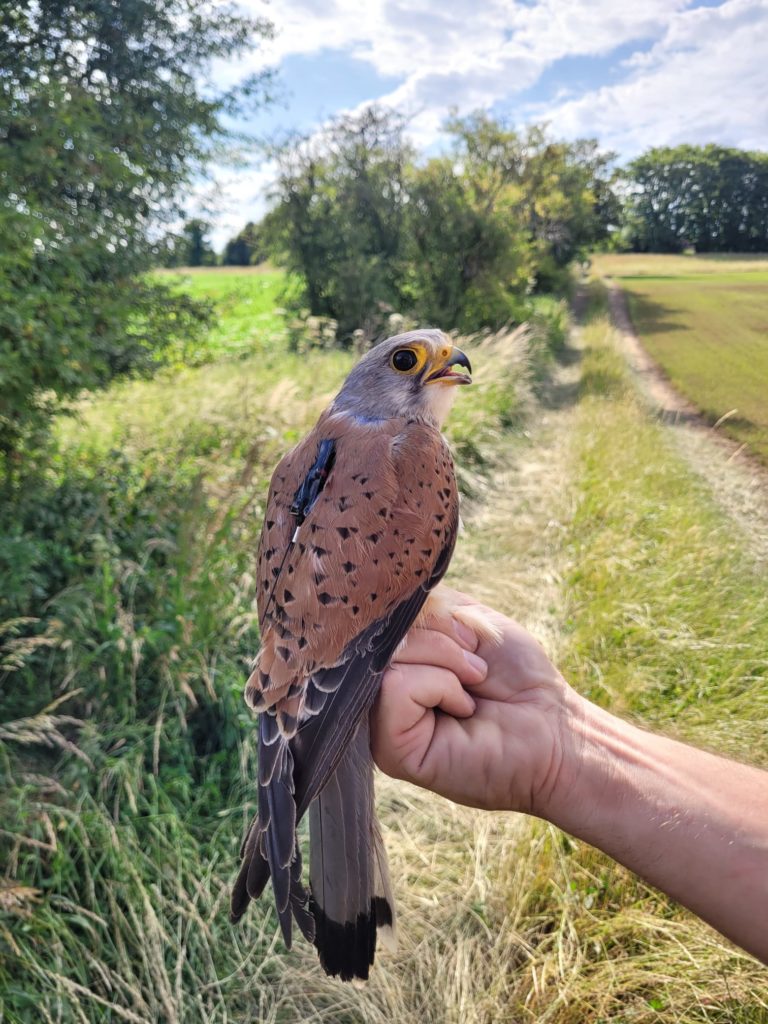
We have developed a safe remote system to capture the adult Kestrels in order to be able to tag them. The trackers equate to about 2% of the average weight of the lightest Kestrel. With many other birds, tags are fitted to their central tail feathers but this is not appropriate for Kestrels because of their tendency to hover during hunting, and it is likely the tags would impact their ability to do this efficiently. As such, we used a backpack harness attachment instead.
We aim to tag 20 Kestrels with satellite trackers, starting this year by successfully tagging three adult Kestrels (two females and one male) after developing our strategy and navigating some challenges in the field. We will continue to gather more data before completing a full analysis and drawing any firm conclusions but initial inspection of early patterns shows that the majority of time is spent relatively close to the nest site, with occasional trips further away.
Next year we will activate more tags and collect a lot more data. With this information, alongside data on their population numbers, where they nest, and how many chicks they raise from our raptor transects and Raptor Nest Box Project, we will have built quite a comprehensive picture of Kestrel lives in southern England. This can underpin the development of robust practical conservation solutions for them.
Here’s to a fantastic year continuing our work to conserve birds of prey in 2026!