



New Insights into the South Asian Vulture Crisis: What Pharmacy Surveys Reveal About NSAID Use
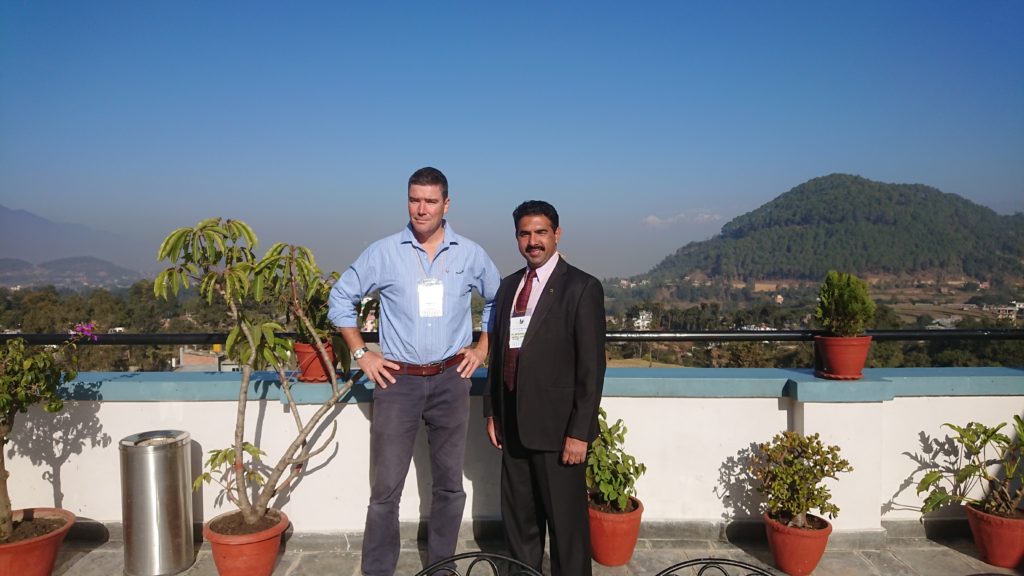
A new article published in December has shed important light on the ongoing South Asian vulture crisis. Our Head of Conservation, Research and Education, Dr Campbell Murn and Senior Manager of Research and Conservation for WWF Pakistan, Jamshed Chaudhry, who partners on our Pakistan Vulture Recovery Project were co-authors on the study, which presents the most up-to-date analysis of veterinary non-steroidal anti-inflammatory drug (NSAID) availability across the region. The study draws on undercover pharmacy surveys conducted between 2012 and 2024 across south Asia.
These surveys are a critical tool for conservation. By documenting which veterinary drugs are actually available and sold in the marketplace, researchers can assess how effectively bans on vulture-toxic drugs are being enforced and where potentially dangerous gaps remain. Below are the key headlines from the study.
Progress, but not full compliance
One of the most encouraging findings is that the availability of diclofenac, the drug primarily responsible for catastrophic vulture population declines in the 1990s and 2000s, has decreased substantially across South Asia. This decrease in diclofenac reflects years of advocacy, policy change, and awareness-raising.
Nonetheless, the picture is far from complete success. The study found that diclofenac is still being sold in some areas, accounting for up to 25% of NSAID sales in certain locations. Incomplete compliance with existing bans on veterinary diclofenac therefore continues to pose a serious threat to already fragile vulture populations.
Uneven adoption of vulture-safe alternatives
Meloxicam, a proven vulture-safe NSAID, emerged as the most commonly available drug overall and was especially dominant in Nepal. This preferred use of meloxicam shows that is possible to shift veterinary practice toward safer alternatives with effective regulation, combined with strong messaging around vulture safety, but it is not always as straightforward as that, with other factors proving further hurdles to progress in other areas.
Elsewhere in the region, meloxicam was far less dominant, suggesting that safer drugs are not yet the default choice in many markets.
Rapid change in Bangladesh following policy action
The situation in Bangladesh provides a powerful example of how quickly markets can respond to regulation. The study found that ketoprofen, known to be toxic to vultures, was the most prevalent NSAID in Bangladesh prior to 2023. Following the introduction of a national ban that year, ketoprofen use has declined sharply, falling to less than 1% of Bangladesh’s NSAID sales by 2024.
This rapid drop demonstrates that well-designed and enforced bans can have an immediate and measurable impact, but again, just because it can happen does not mean it will in every location.
A crowded and risk-strewn NSAID landscape
Across all surveyed countries, 14 different NSAIDs were recorded to be in circulation. Several of these drugs are known to be toxic to vultures, while others are suspected to be harmful but have not yet been adequately tested.
Of particular concern is the rapid rise in flunixin use, especially in Bangladesh. Flunixin is not banned in any vulture range country and has not been proven safe for vultures. The growing popularity of flunixin represents a significant emerging risk for vultures, potentially undermining progress made by reducing diclofenac and ketoprofen use.
What must happen next
The findings reinforce that the vulture crisis is no longer driven by a single drug, but by a complex and evolving landscape of pharmaceuticals. The authors highlight several ongoing conservation priorities:
While the decline of diclofenac and the success of recent bans are reasons for cautious optimism, the study makes it clear that vigilance remains essential. Without proactive regulation and sustained monitoring, new drugs could continue to replace old threats, keeping South Asia’s vultures in grave danger.
The Hawk Conservancy Trust has been working to conserve vultures in this area since 1997, partnering with WWF Pakistan in 2004. We’re continuing our work in Pakistan, calling for a stronger drug regulation, safety testing of new drugs, and raising awareness of the devastating affects these medicines have on vultures. Conservation can’t be done in isolation, and with your support, we can continue being a force for positive change for vultures in south Asia.
Find out more about our work in this region, and how you can help us help these important species.