





CITES CoP20 took place towards the end of 2025. One of the proposals discussed was whether to lower Peregrine Falcons from CITES Appendix 1 to Appendix 2, and ultimately the discussion resulted in them staying on Appendix 1.
But where did this proposal come from and what would it have meant for Peregrines?
Let’s start with what CITES and these appendices are… CITES is the Convention on International Trade in Endangered Species of Wild Fauna and Flora – a bit of a mouthful, hence the widespread use of CITES! Fundamentally, it is an international agreement between governments to regulate the trade of wild animals and plants and ensure that this trade does not threaten these species’ survival in the wild.
Appendix 1 lists species at risk from trade and (mostly) these are species that are threatened with extinction. CITES prohibits any international trade of those species listed on Appendix I, effectively providing the highest level of protection possible (in terms of trade). Appendix 2 lists species not necessarily listed as threatened but that might become so if the trade in that species is not controlled and regulated. So, Appendix 2 essentially allows trade of the species but requires meeting stringent permit requirements, ultimately with the aim of preventing trade becoming a threat to the species. It is important to note that CITES is not meant to be an indication of the conservation status of a species; that’s what the IUCN Red List of Threatened Species is for.
So, where did the proposal to move Peregrine Falcons from Appendix 1 to Appendix 2 come from?
In short, the proposal stems from Peregrines being listed as ‘Least Concern’ on the Red List, following one of the most renowned conservation success stories ever, where they recovered from near extinction in the 1970s due to environmental contaminants to their current population of up to 499,000 mature individuals, which is said still to be increasing, and their wide global distribution (one of the most widely distributed birds globally, with a presence on every continent except Antarctica).
Despite the favourable conservation status of Peregrines, our Head of Conservation, Research and Education, Dr Campbell Murn, and Africa Projects Manager (and Co-chair of the IUCN Species Survival Commission’s Vulture Specialist Group), André Botha, contributed to convincing the Convention on Migratory Species Raptor TAG’s decision to reject the proposed CITES downlisting, and subsequently the voting of CITES parties at CoP20 to follow suit.
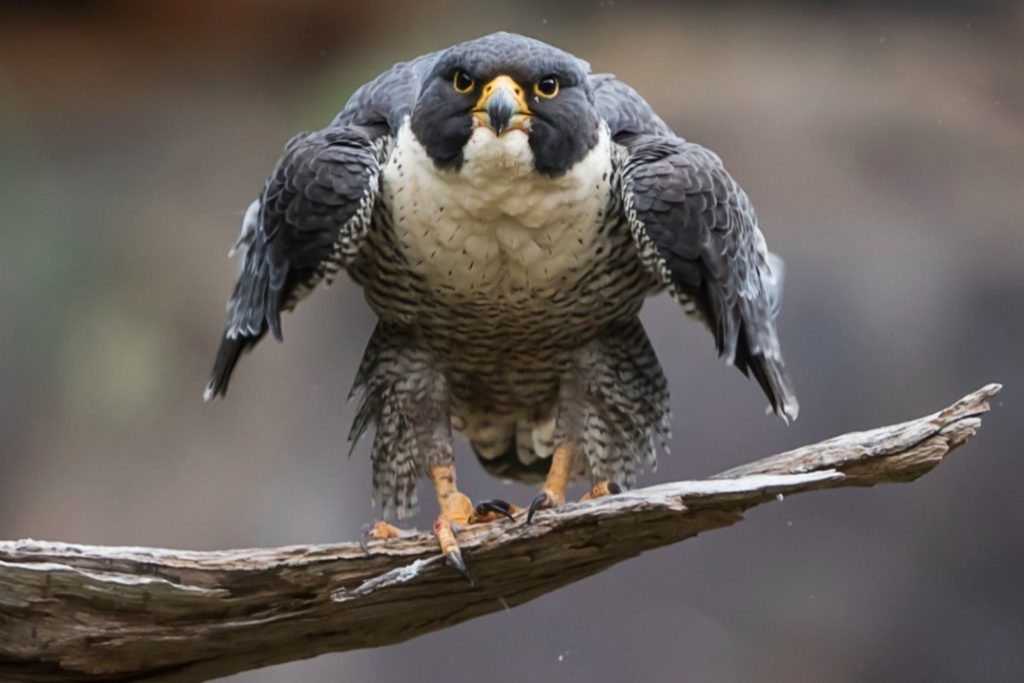
So, if everything appears pretty positive for Peregrines, why reject the proposal? What is the problem?
Ultimately, while on the face of it, things do look positive for a species now listed as Least Concern following their global recovery from pesticides and persecution, there are several elements that this headline summary glosses over. Namely – data reliability in many parts of their range is still very poor and many of the same threats still remain for the species.
So, data-wise, one of the biggest concerns surrounding the proposed downlisting was the uneven quality of the data behind their IUCN Red List status. In fact, around 63% of countries assessing Peregrine populations report their status as “unknown,” particularly across South America, Africa, and Australasia, with much of the optimism around their populations coming from well-studied populations in Europe and North America. The gaps in data run even deeper when looking at subspecies information, with at least 11 of the 19 recognised subspecies lacking sufficient data, including highly vulnerable groups such as the Cape Verde Peregrine, which may already be Critically Endangered and facing dangerously low genetic diversity. On top of that, unreliable methods, like the potential double-counting of certain migratory populations, raise further doubts about whether global population trends are being portrayed accurately.
The other concern relates to threats… Even where Peregrines have made encouraging recoveries, ongoing threats continue to put pressure on populations. Sudden demographic declines linked to avian influenza have been documented in multiple regions, reminding us that progress can be fragile and trends can change dramatically for the worse. Alaska has reported notable reductions in breeding pairs, while wintering populations in Canada and the USA have also shown worrying downturns. Across Europe, too, warning signs are emerging with breeding numbers having dropped in some areas, mortality rates appearing to be climbing, and a growing share of breeding pairs consisting of immature birds – often a signal that established adults are disappearing and the population is under stress.
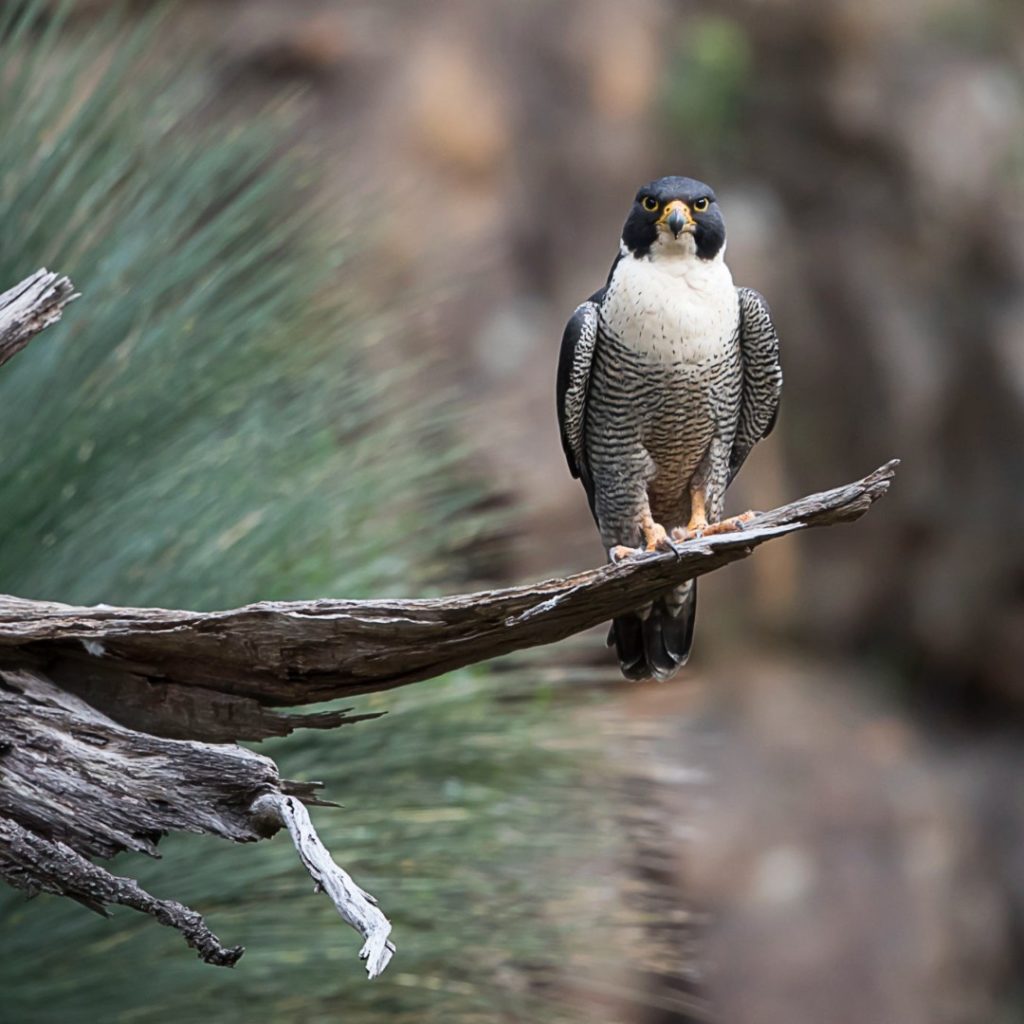
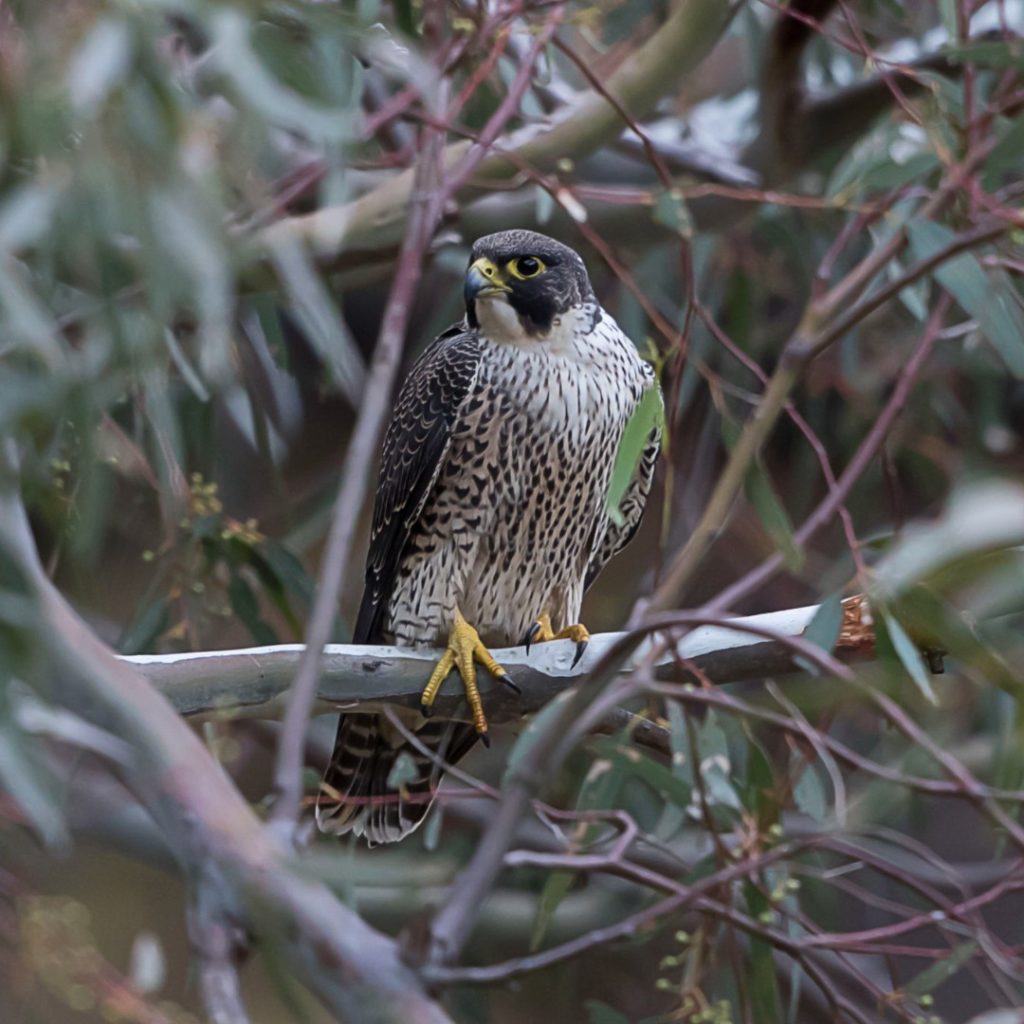
This also all falls within a larger discussion about the trade in large falcons….
One of the main concerns about relaxing regulations is that it could exacerbate an expanding and largely unquantified illegal trade in large falcons – the focus of the remainder of this article.
A particularly notable threat to a species being downlisted from Appendix 1 to 2, albeit hard to quantify, would be the likely increase in the already damaging illegal trade and trafficking of falcons. Illegal trade in Peregrine eggs, nestlings, and adult birds continues to threaten wild populations, especially in regions where enforcement is weak or under-resourced. The concern is that a downlisting could re-ignite demand for wild-caught birds for the international trade, intensifying existing pressures on vulnerable populations. Even in Europe, where legal protections are comparatively strong, illegal activities such as nest robbing remain a widespread problem that is difficult to control.
The UK is no exception to this, with a troubling rise observed in Peregrine chicks disappearing from remote nests and cliff ledges. Investigations by police and conservation groups suggest that demand is being driven both directly by markets in the Middle East seeking high-performance racing birds and by breeding facilities attempting to secure wild parent stock to meet a booming export market. The colder climate of northern Europe is considered ideal for creating tough, fast birds, and British-bred birds from established lines are generally considered more reliable.
While falconry remains a Bedouin hunting tradition, in some parts of the Gulf, falconry has increasingly evolved into a symbol of wealth and prestige among the modern elite and has become a multimillion-dollar industry – with a Peregrine sold last year for upwards of $400k. The growth of the captive breeding industry reflects the growing demand for the UK’s Peregrines. There are now about 160 breeding facilities in the UK – a dramatic increase from roughly 27 in the 1980s, with many of these facilities having commercial links to Middle Eastern buyers. DNA testing has also confirmed that some wild-caught birds are being used within breeding centres, and police reports show that more than half of the facilities inspected show some form of non-compliance, in one form or another.
So, what next?
Taken together, these challenges paint a more complicated picture than simple recovery narratives suggest. While Peregrines have made remarkable comebacks in certain regions, substantial data gaps, emerging risks, and ongoing exploitation mean that many populations remain far from secure. A decision about changing any protection status must grapple with these uncertainties to avoid undermining decades of progress.
As we have seen with so many species before, including Peregrines, rebuilding populations is far harder, far slower and often far more expensive than preventing the decline in the first place. The future of large falcons will depend not on past recovery stories, but on the choices made now to prevent exploitation from resurging.
The Hawk Conservancy Trust is committed to conserving birds of prey and their habitats and will continue to support these birds in whatever ways we can. Learn more about our conservation efforts here.