




Last year was a tough one for the species in our Raptor Nest Box Project – Barn Owls, Tawny Owls, Little Owls and Kestrels. The nesting and fledgling numbers were some of the lowest we have recorded since 2013. A mix of factors contributed to this, including a lack of prey – something we also saw reflected in our small mammal surveys last year. All in all, it left us with some very low fledging numbers, with last year’s minimum numbers of fledglings compared to 2024’s minimum numbers below for comparison… quite stark!
| Species | 2025 | 2024 |
| Barn Owl | 12 | 340 |
| Tawny Owl | 2 | 66 |
| Little Owl | 6 | 7 |
| Kestrel | 122 | 220 |
Thankfully, things are looking a whole lot brighter so far this year!
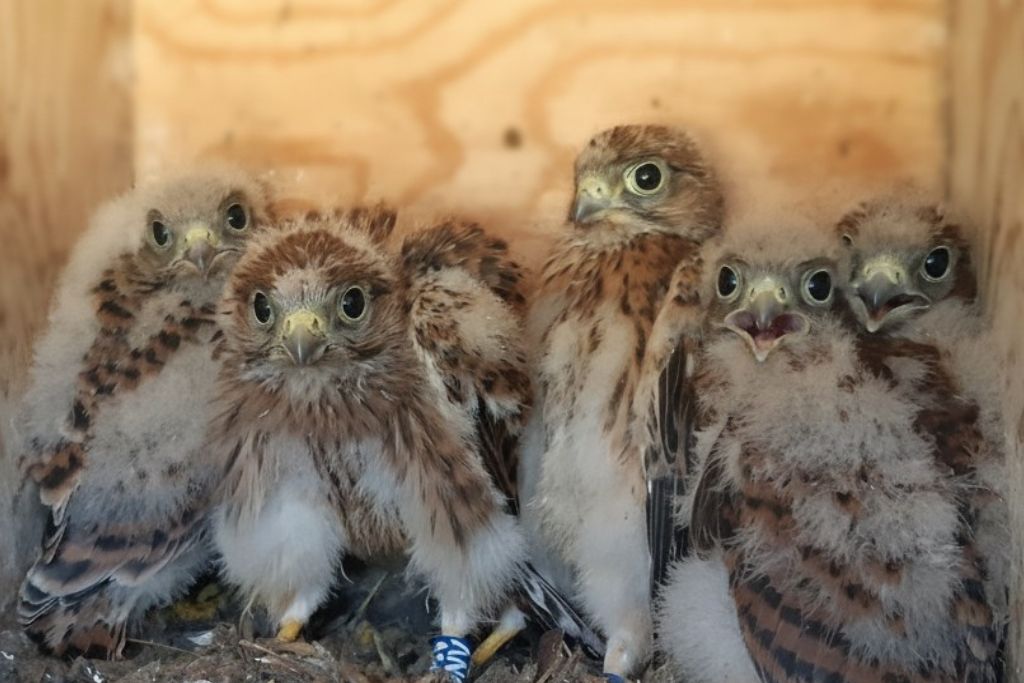
This time of year is a very busy period for our Conservation and Research department, and in particular our British Projects Manager, Dr Matt Stevens who will be getting to as many boxes as possible over the coming months. With over 1600 nest boxes in our Raptor Nest Box Project network, that mostly fall in a core area of about 4,500Km2, (although we have many placed outside that area too), there is a lot to do. In addition, to monitor these boxes properly often requires multiple visits to the same nest boxes and it means there are a lot of checks to do and a lot of miles to cover for Matt!
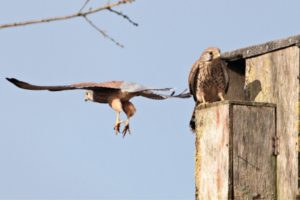
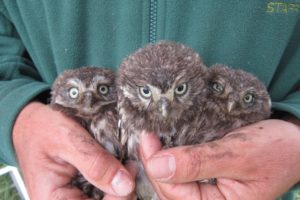
Monitoring can involve several visits to the same nest boxes if they are in use – an early season check to see if there is nesting activity, if so a further check to see if eggs have been successfully laid and hatched depending on timings, and finally another just before chicks are estimated to be fledging. At this last check Matt will check the growth and health of the chicks, taking some measurements for this and then ringing the chicks too. Ringing the birds helps us to identify individual birds from their unique lightweight metal rings, which then helps to track movements and their survival or lifespan. This contributes useful data to help us understand population changes, breeding success, how birds respond to environmental changes and challenges, essentially all helping us to better conserve them.
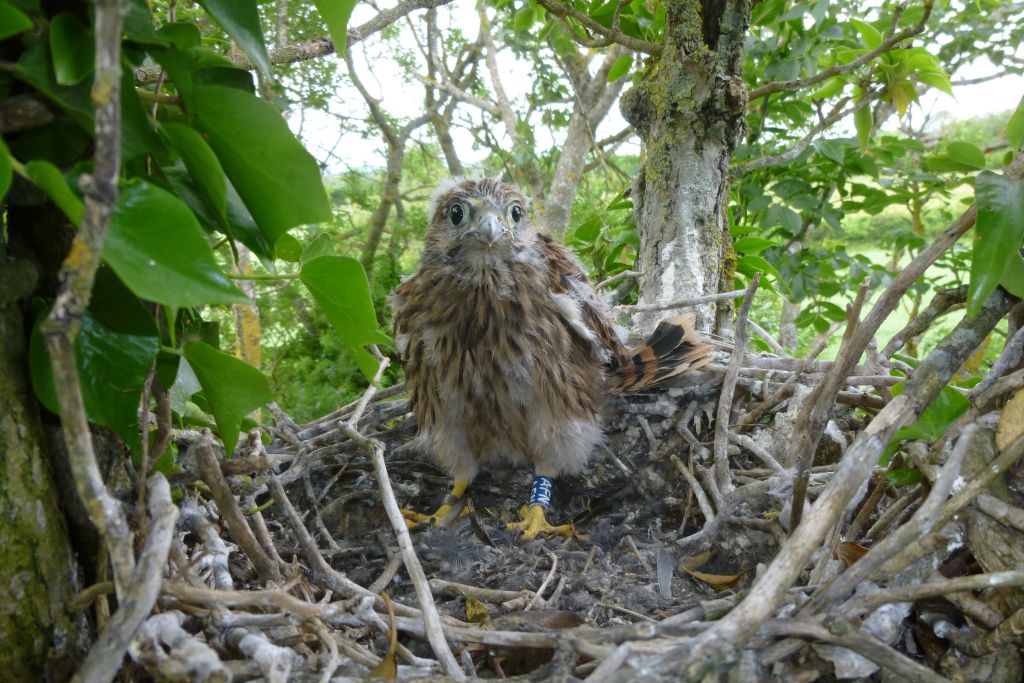
With the early signs looking much improved on last year, then this year’s monitoring is going to be an even more incredibly busy time than usual – which we are very pleased about. Whilst a good year for nest boxes is hard work, seeing the chicks is so rewarding, a truly magical experience, Matt never tires of. Check out some of the images from some of Matt’s nest box visits so far this year – very exciting!
If you would like to support this work, please click here to donate.