



X

In the field with Gary

Posted on: by

‘For twenty-five years, the Hawk Conservancy Trust has worked on and supported a long-term ringing project for African White-backed Vultures in South Africa. Supported by De Beers and working with local partners the Endangered Wildlife Trust and BirdLife South Africa, plus other partners including Gauntlet Conservation Trust and Puy du Fou, Trust team members spend two weeks each breeding season ringing chicks. With former lead and Head of Development at the Trust Andy Hinton now retired, this season Patrick King and I represented the Trust.
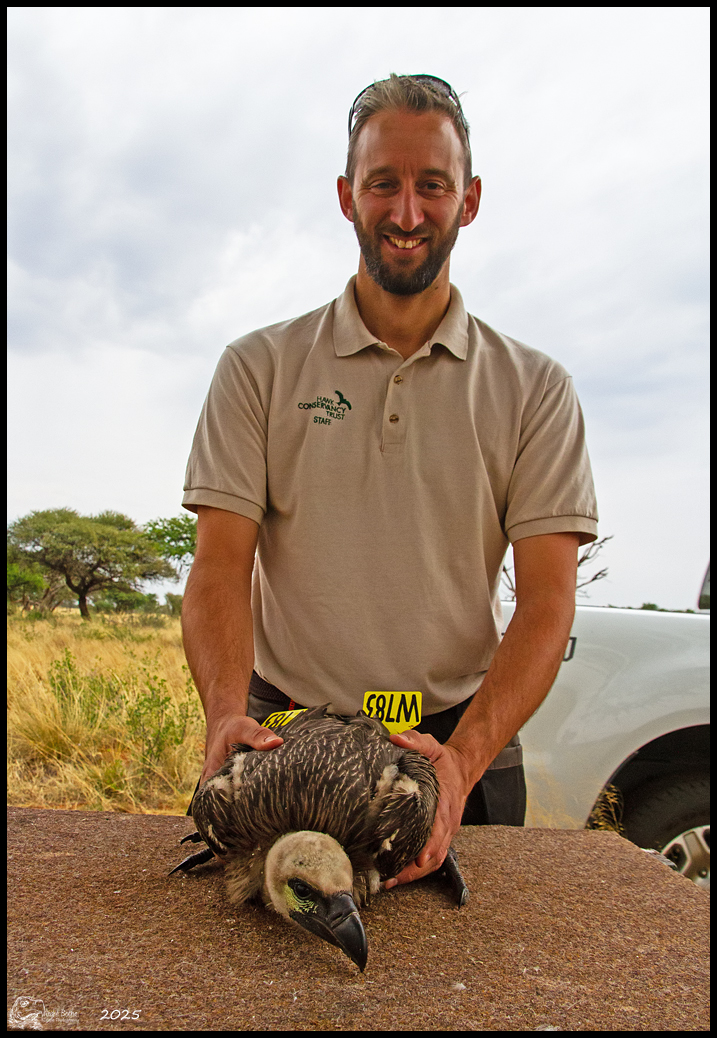
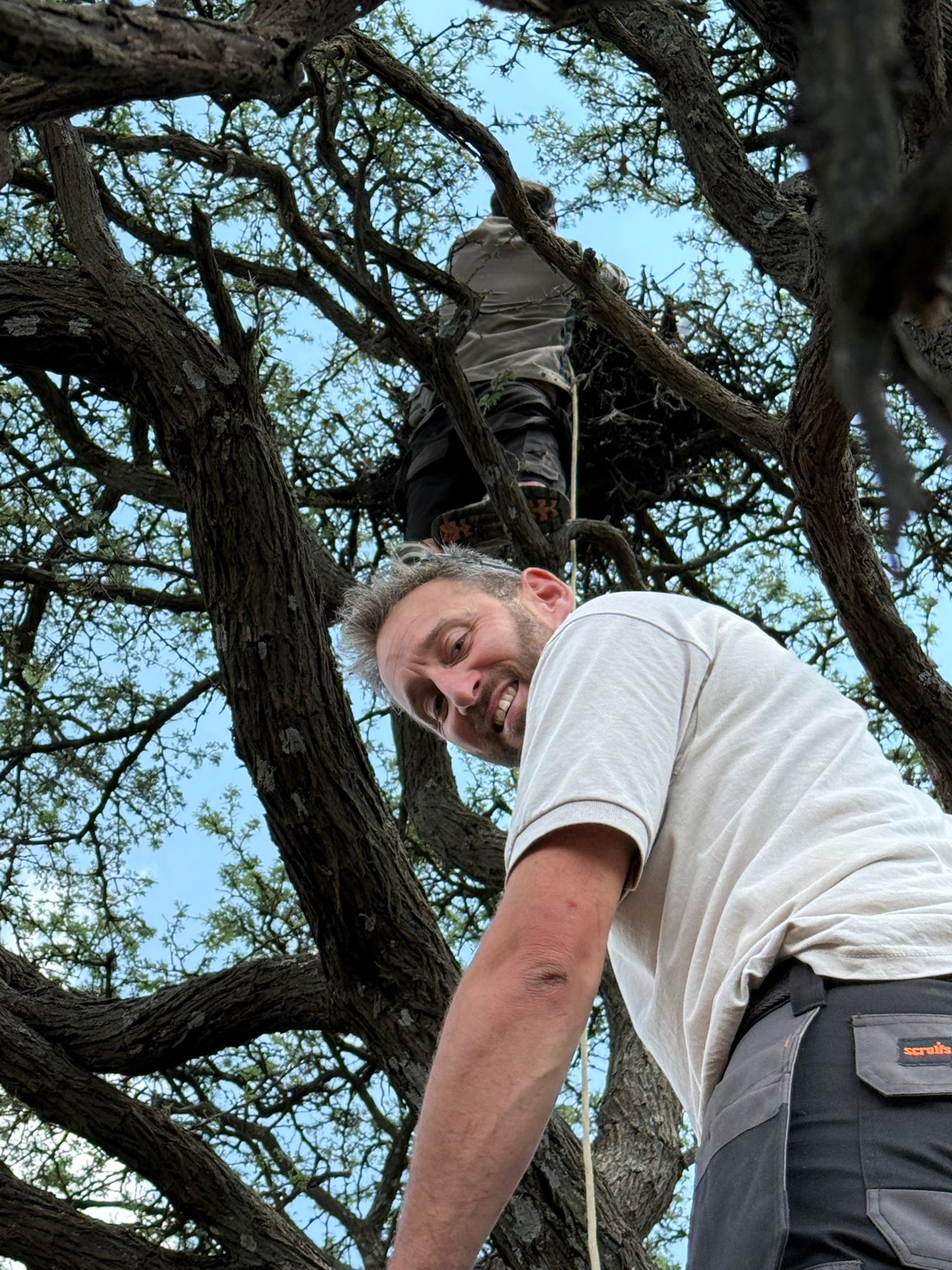
The main focus is across De Beers’ Dronfield Reserve, an area with one of the biggest and most important breeding colonies of Critically Endangered African White-backed Vultures. Each morning, the team are usually up at the crack of dawn, where we meet for a briefing with Project Leader Angus Anthony on where the nests are located that we will be checking that day. The nests are mapped out following checks carried out by Angus earlier in the season, establishing if they are likely to be used by a pair for rearing their young. A plan is made and then we’re all jumping into the vehicles and heading out into the wild!

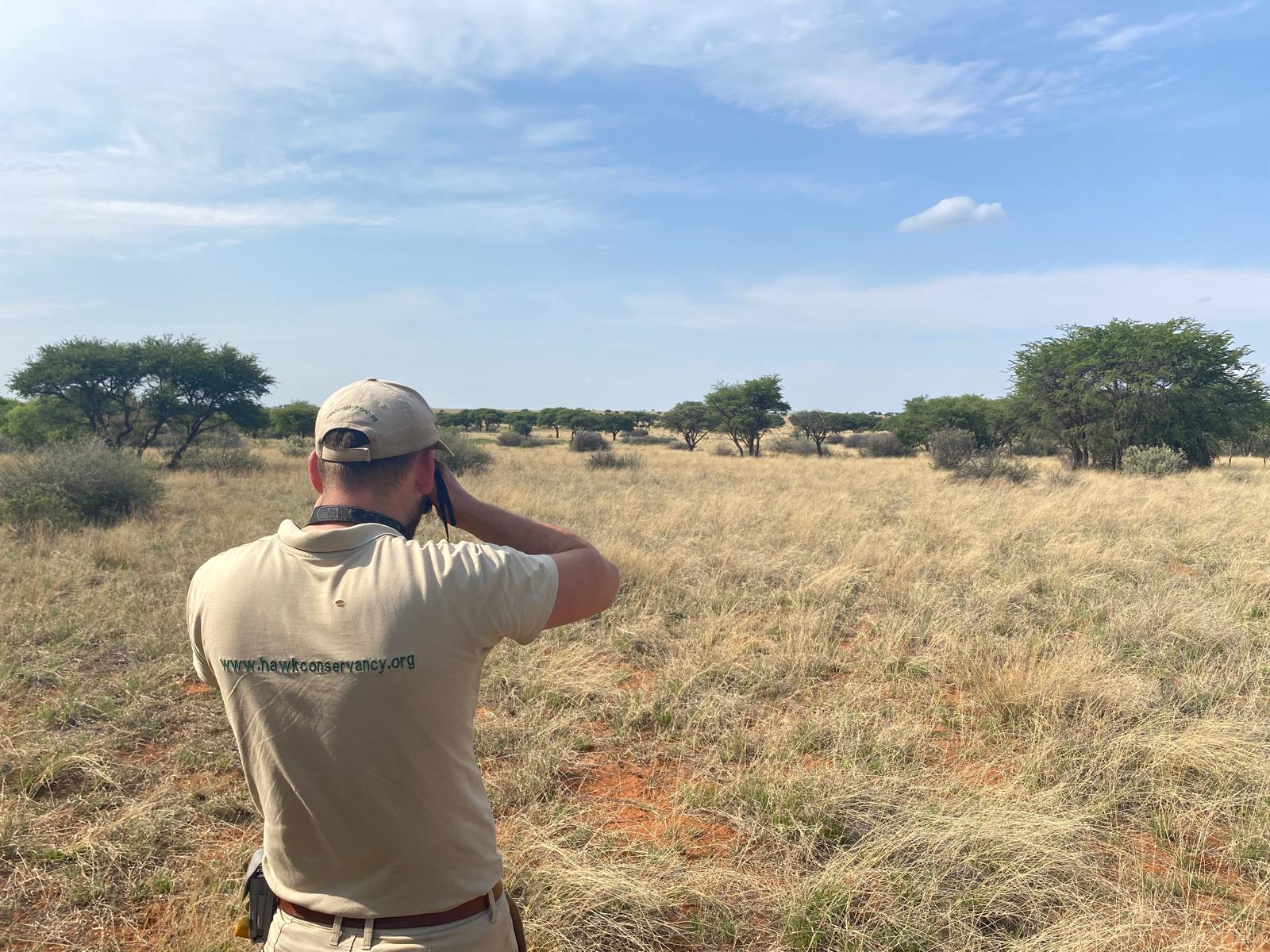
As we approach a potential nesting tree, there’s a few key signs we look for to see if the nest is being used. A key sign is parents sitting on the nest, that usually fly off as our vehicles pull up, circling overhead or keeping watch from a neighbouring tree. We also check for signs of life, like feathers on the ground or a ‘white-wash’ of vulture poo in the branches – these are usually signs someone is home.

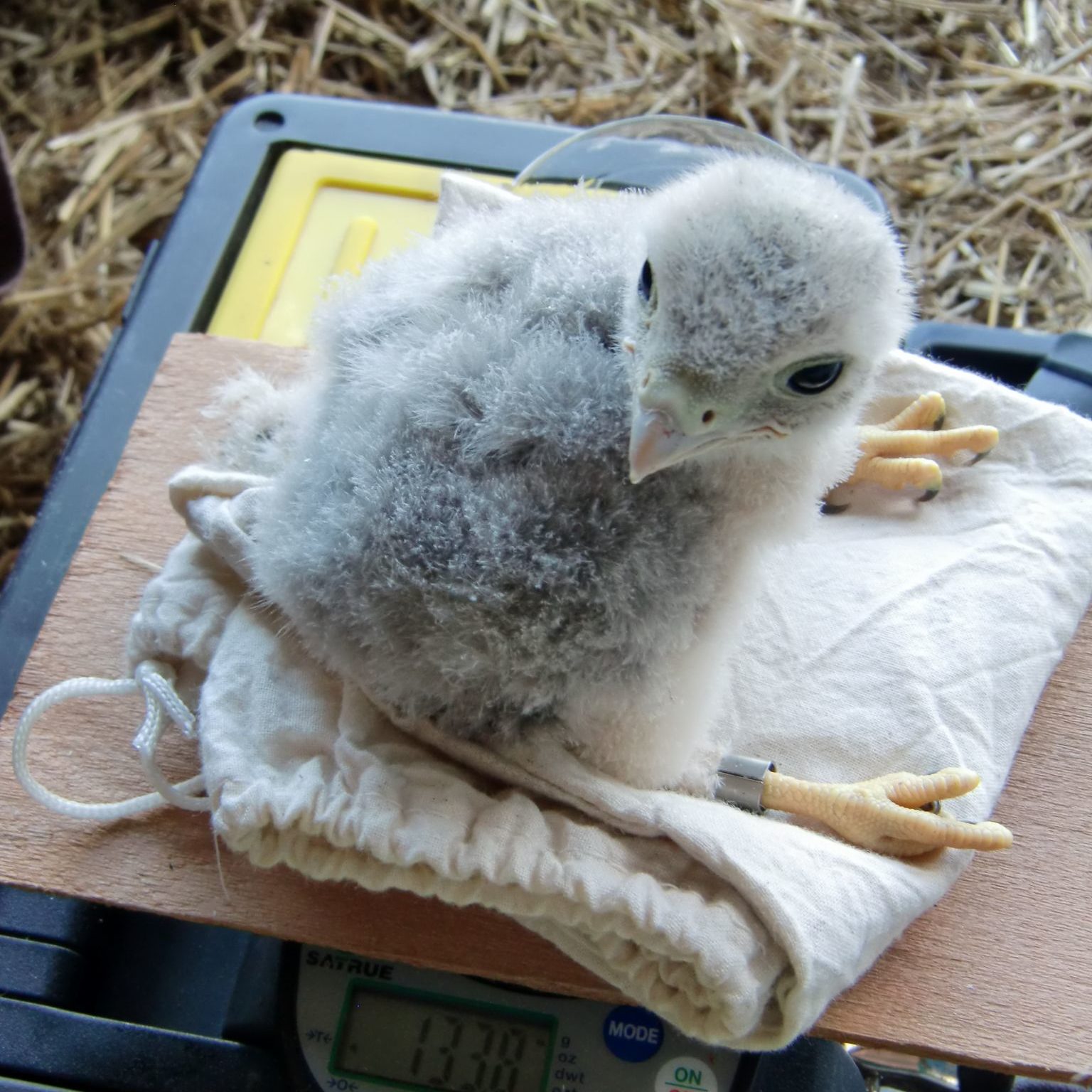
If it all looks viable, it’s time to split up. The tree team’s job involves securing a ladder, climbing the tree and popping the young vulture into a basket which is then winched down to the ground team. This team then carry out a general health check on the chick, take its measurements, and fit them with an identification leg ring. The chick is then lifted back into the nest before we pack down and move to the next nest, repeating the process until we start to lose the light. The team aim to visit around twenty nests a day, before heading back to camp for a good wash ready to begin the process all over again at first light.

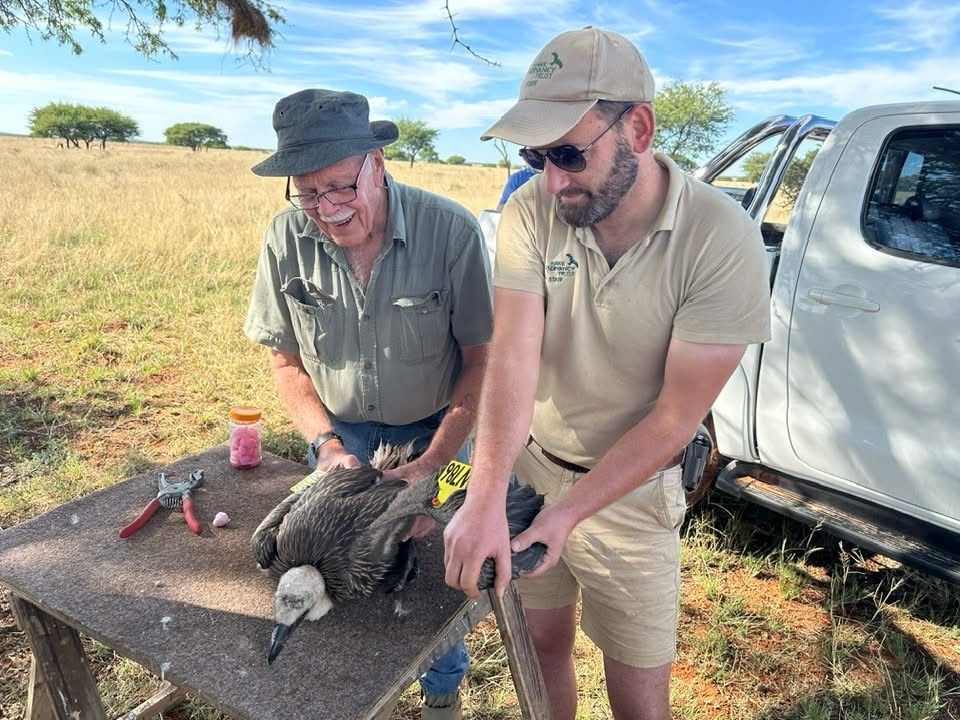
Each nest visit takes around 15-20 minutes, where the parents are often sitting close by, waiting to come back as you start driving away. It’s always nice to see them flying back to the nest as we drive off to the next nesting site. From all the nests we checked, most of the chicks we ringed were around 6-11 weeks old. At this point they’re mostly fully grown, with lots of feathers and nearly ready to leave the nest. Happily, most looked fairly healthy. With no rhinos on this reserve, the risk of carcasses being poisoned is a lot less. We did happen to see a few carcasses on our drives, with many vultures feasting there. This was a real positive. Luckily, we only came across one deceased chick – about eight weeks old, with no real clear reason as to what had happened.

One of the moments that really stood out to me on this trip was visiting a nest with a very young chick in it. Most chicks are at a feisty age and let you know they’d rather be staying put in their comfy nest! But this one was a real tiny youngster, probably only a week or two old. It was small enough to fit in your cupped hands, and a real fluff-ball! It was absolutely gorgeous, and everyone gathered round to coo and have a look.

You can usually tell when approaching a tree whether it’s an active nest from those signs of life. If you pull up and the parents don’t fly off until the very last minute, sometimes it indicates they are sitting on an egg, or even a very young chick that is only a few days old and still heavily reliant on the parents. If this is the case, we’ll give the nest site a scan using a camera attached to the end of a very long extendable pole to check on how it’s getting on. If it’s too small to ring, we’ll leave it be.

This data is all still recorded, as well as other sightings of nests, wildlife and activity we see on our drives across the savannah.

As we were in the area, which is in the middle of nowhere, we also checked in on a Secretary Bird nest that had been recorded as potentially active earlier in the season. Amazingly, the nest had three beautiful chicks in it! We saw lots of other birds of prey, including a Secretary Bird actually hunting using the iconic kick we’ve all come to love, and one bobbing its head down into the grasses to feast on insects. On one drive we spotted a Martial Eagle surveying its surroundings from a telegraph pole, and we even saw a pair of Lanner Falcons hunting together – a male and female picking off their next meal from a group of Starlings.

As you’re driving through these immense and massive environments, you do get to see so much. We saw herds of giraffe, packs of lions, African Wild Dogs, Spotted Hyenas and more. What wewere constantly warned of, was that we were   surrounded by things that do want to eat you! Whether it’s thorny plants, spikey bushes, or animals looking for their next meal. We were interrupted during one nest check by a herd of Buffalo, from which we quickly jumped back into the vehicles for cover. One nest tree even had a Sociable Weaver Bird nest with an unwanted visitor – a Boomslang! The most venomous snake in all of Africa, which quickly slithered into the tree branches and watched us as we worked.

As well as the actual monitoring work we are doing, there is also a huge emphasis on education. We chat to the farmers whose land borders the reserves, engaging in ways they can protect their land and livestock without needing to poison carcasses that might affect the vultures. Last year we held a talk at a local school on vulture conservation and why it’s so important – and sitting in that classroom watching the next generation learn to love and appreciate vultures as much as we do was a truly touching moment that really felt full circle.

It’s been a privilege to be a part of this long-standing project. Every nest reached, every chick counted, and every conversation with a farmer adds up to something bigger—a future where these important birds still fly high above. Being a part of this conservation work, even for a short time, is a humbling reminder of why what we do matters and why we must keep fighting for the species that cannot speak for themselves.


The winner of the 2025 Marion Paviour Award!

Posted on: by

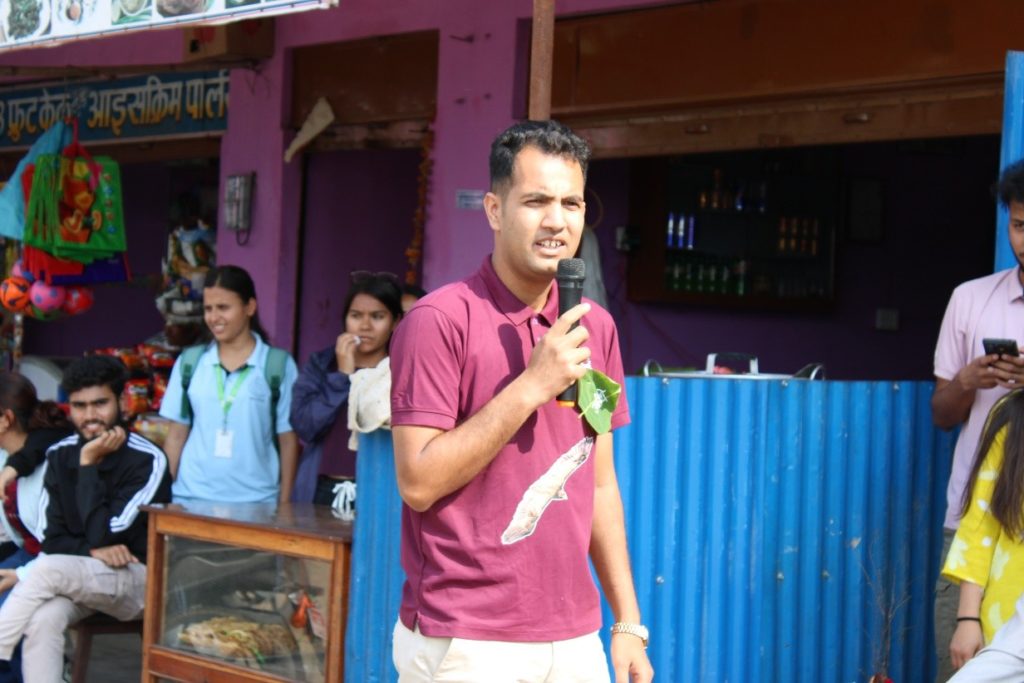
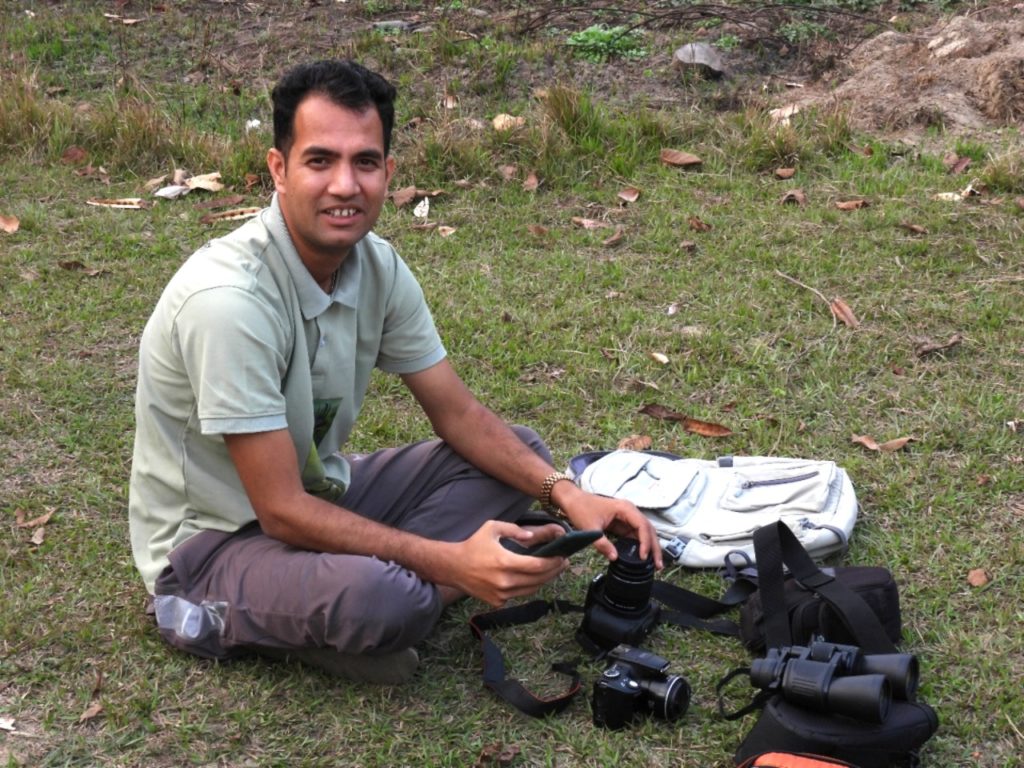
We are very excited to announce our 2025 Marion Paviour Award winner – Samik Bista!

Samik’s work will be on the stunning Steppe Eagle. These Endangered eagles get their name from their preferred breeding habitat – the steppes of Central Asia. While the current estimate for their global population stands at just over 31,000 pairs and around 94,000 individuals in total, this is based on studies from 2015 and 2016, and there may well be fewer now as their population trend is declining.

Alarmingly, a study in 2014 showed that Steppe Eagles are also impacted by exposure to diclofenac (a non-steroidal anti-inflammatory drug (NSAID) used to treat livestock) in the same way that many vultures in South Asia are and have been – a major conservation concern that we have worked on for many years. The use of these toxic NSAIDs have resulted in an unprecedented decline in vulture population numbers in South Asia. This serves to underline the importance of our work with our partners in Asia to help remove toxic NSAIDs from the market but also the need for wider collaborations and work on different species, such as with our Marion Paviour Award winners, to try and best conserve and protect as many birds of prey as possible.

Samik’s work will take place in Nepal, where a considerable amount of work to ban NSAIDs and make the environment safer for birds of prey has already happened and is yielding positive results for vulture populations. Threats to vultures and other birds of prey still exist here nonetheless, and Samik’s work will look at how to address some of these and encourage long-term and sustainable protection of these birds through engaging communities in this work.

Hear from Samik below as he introduces himself and his project and what winning the Hawk Conservancy Trust’s Marion Paviour Award means to him.

“My name is Samik Bista, and I am leading a project titled “Breaking Barriers to Steppe Eagle Conservation through Research, Education, and Community Action in Hetauda, Central Nepal.” The Steppe Eagle, listed as Endangered on the IUCN Red List, is experiencing rapid population decline from threats including habitat loss, persecution, and collisions with powerlines. Despite regular winter sightings in Hetauda, very little is known about what habitat they are using and what local threats they face. Through systematic surveys and community engagement, this project aims to generate vital data, identify key habitats, and inspire local stewardship for Steppe Eagle conservation.

The Marion Paviour Award will be transformative in enabling both research and community action. It will directly support our field surveys, awareness campaigns, and capacity-building programs, allowing us to train local birdwatchers and students as ‘Steppe Eagle Guardians.’ Beyond funding, this award provides recognition and encouragement that strengthens my commitment to raptor research and conservation. It will help me develop advanced field, analytical, and leadership skills essential for my long-term goal of becoming a conservation biologist dedicated to protecting birds of prey and promoting community-based wildlife conservation across Nepal.”

Come along to the Trust to see Stilton, our Steppe Eagle, as he showcases these stunning birds, helping raise awareness about the species and the realities the wild population faces.
Halloween Half Term events in Hampshire

Posted on: by

Have a Hawk Conservancy Trust Halloween!

Over the October half term (Saturday 25 October – Sunday 2 November) enjoy an autumnal day out in the Hampshire countryside, surrounded by the beauty of nature as the seasons change, and our beautiful birds swooping and soaring overhead. PLUS spooky added extras for this week only – all included in your ticket price!

Spooky Owl Show

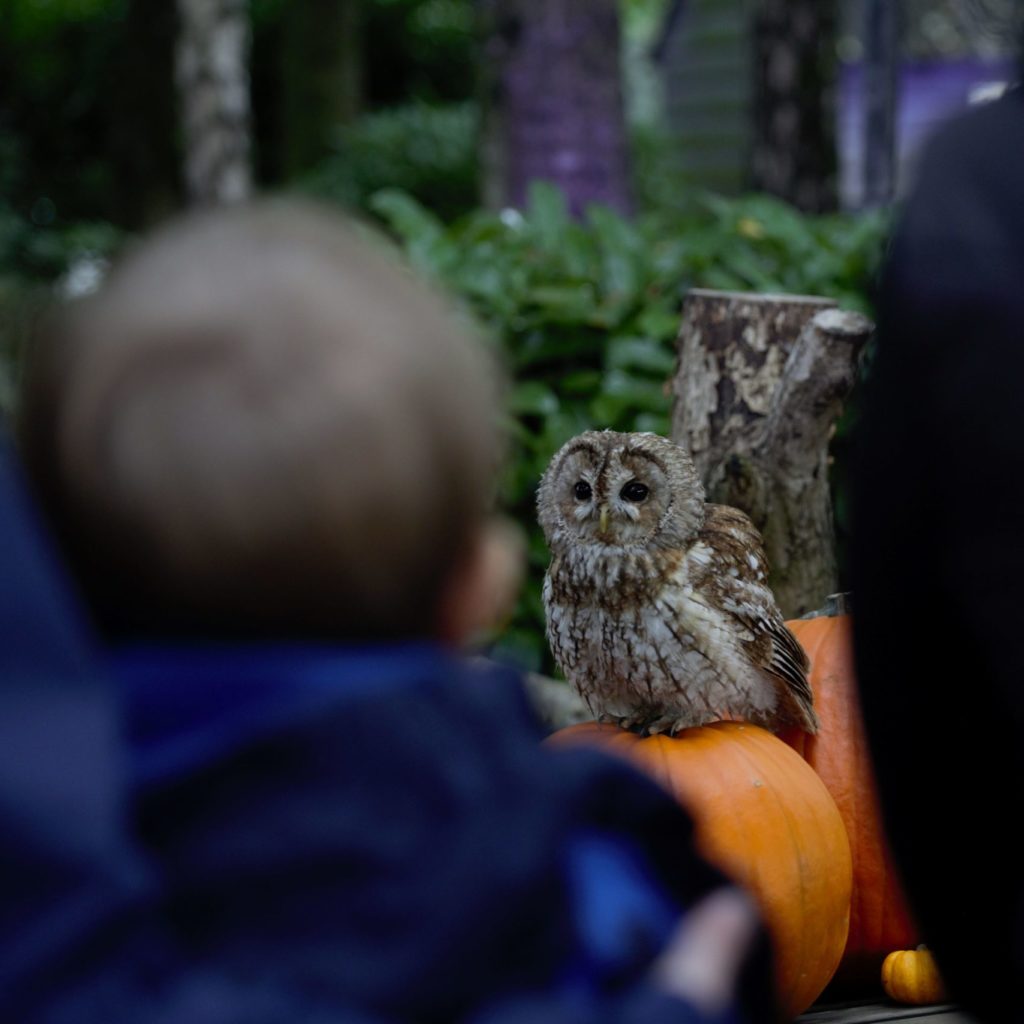
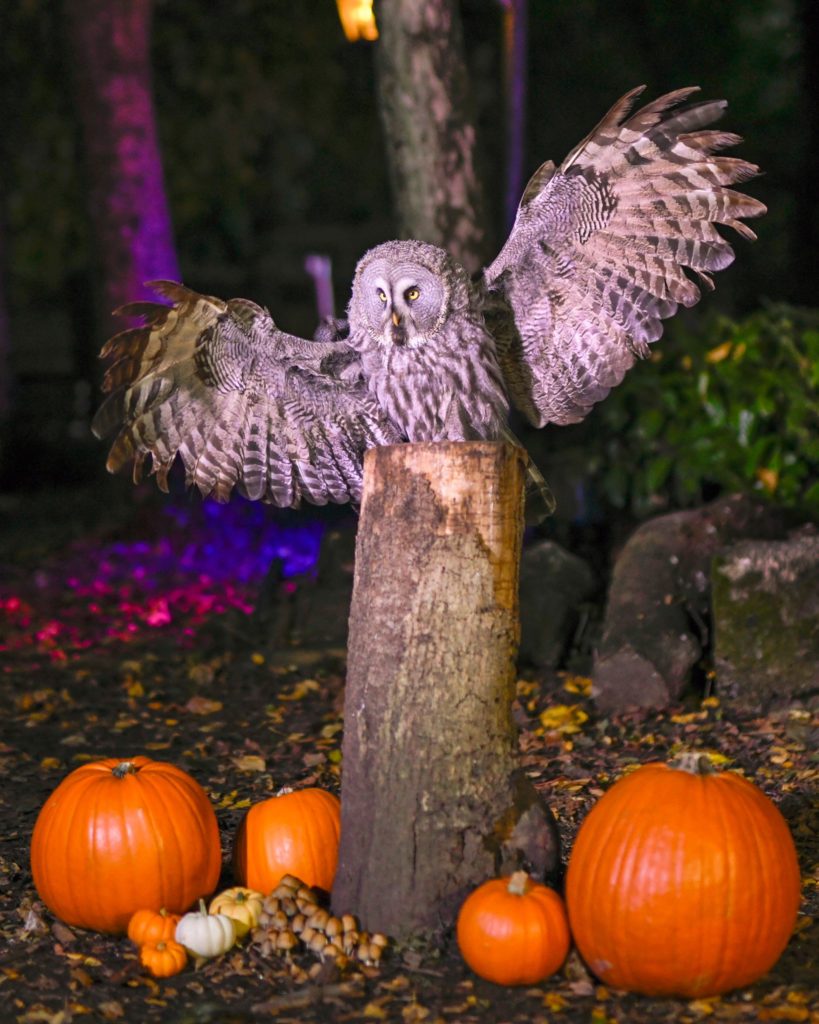
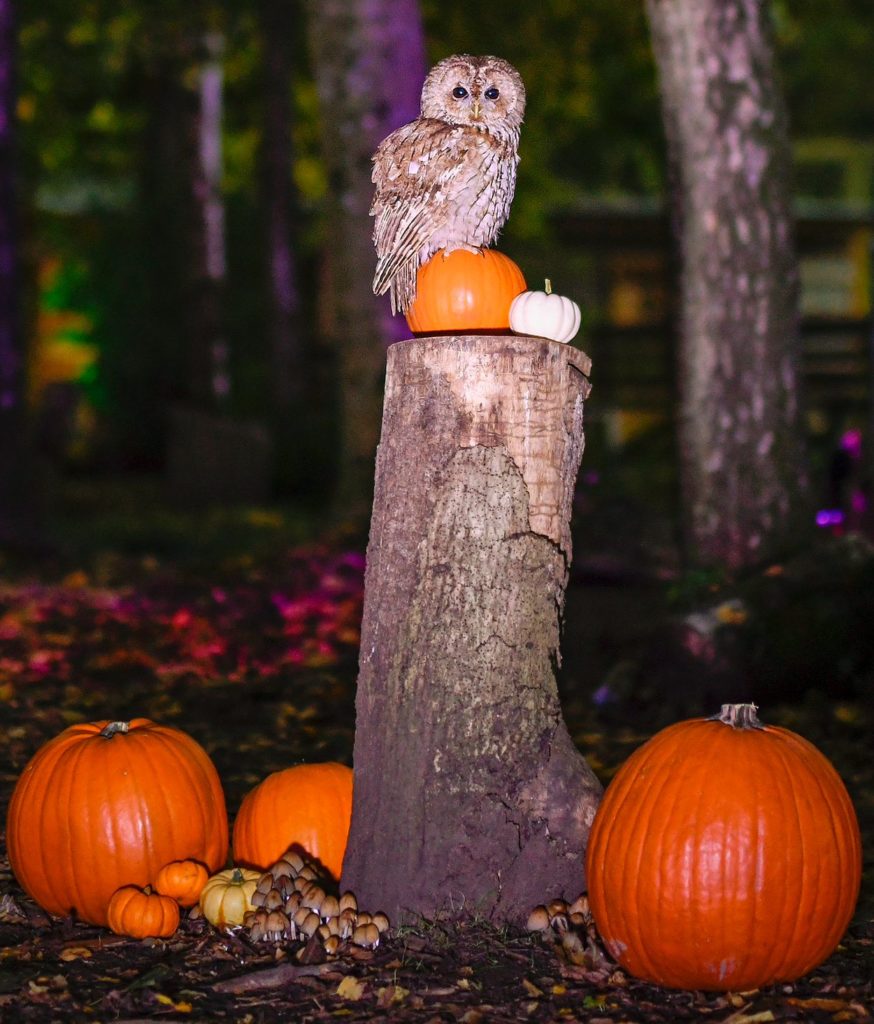
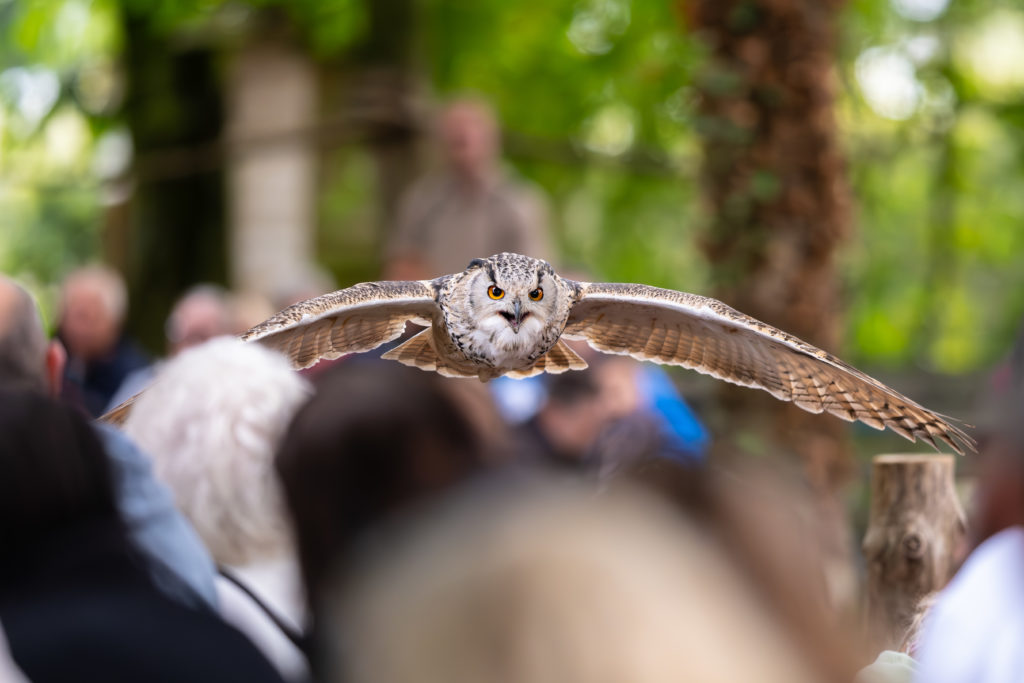
If you go down to the woods this week, you’re in for a spooky surprise! During October half term only, our Woodland Wonders flying display transforms into our special Spooky Owl Show. Bring the family along to enjoy this exclusive display with special effects and spooky storytelling. Be prepared to duck as our mystical owls swoop overhead!

FREE pumpkin trail!

Over the October half term, as well as our world-class flying displays, there’s plenty going on during our daily timetable to fill your day! Let the kids blow off steam on our free GIANT Pumpkin Trail – will they be able to find our pumpkins around the Trust and gather the ingredients a special potion? Included as part of your spooky half term visit.

LAST CHANCE to see our summer birds

This week is the last of our summer timetable – why not come and see our summer birds for one more visit before their winter rest? You could see Angola the Secretary Bird show off his incredible snake-kicking skills in Wings of Africa, or watch our biggest birds soaring high over Reg’s Wildflower Meadow during Masters of the Sky.

Looking for a different family activity this Halloween?

Make this year Owl-O-Ween instead! On Wednesday 29 & Thursday 30 October, under the moonlit sky, venture into the dark for this wickedly wonderful family event. Get into the Owl-O-Ween spirit and don your best costumes before heading out into the darkness for an evening of ghostly tales brought to life before your very eyes with acting, narration, special effects and, of course, our mysterious owls. Enjoy two enthralling flying displays over the course of the evening, plus a special opportunity to explore the Trust under the light of the moon at this special time of year.

Meet Sorcha!

Posted on: by

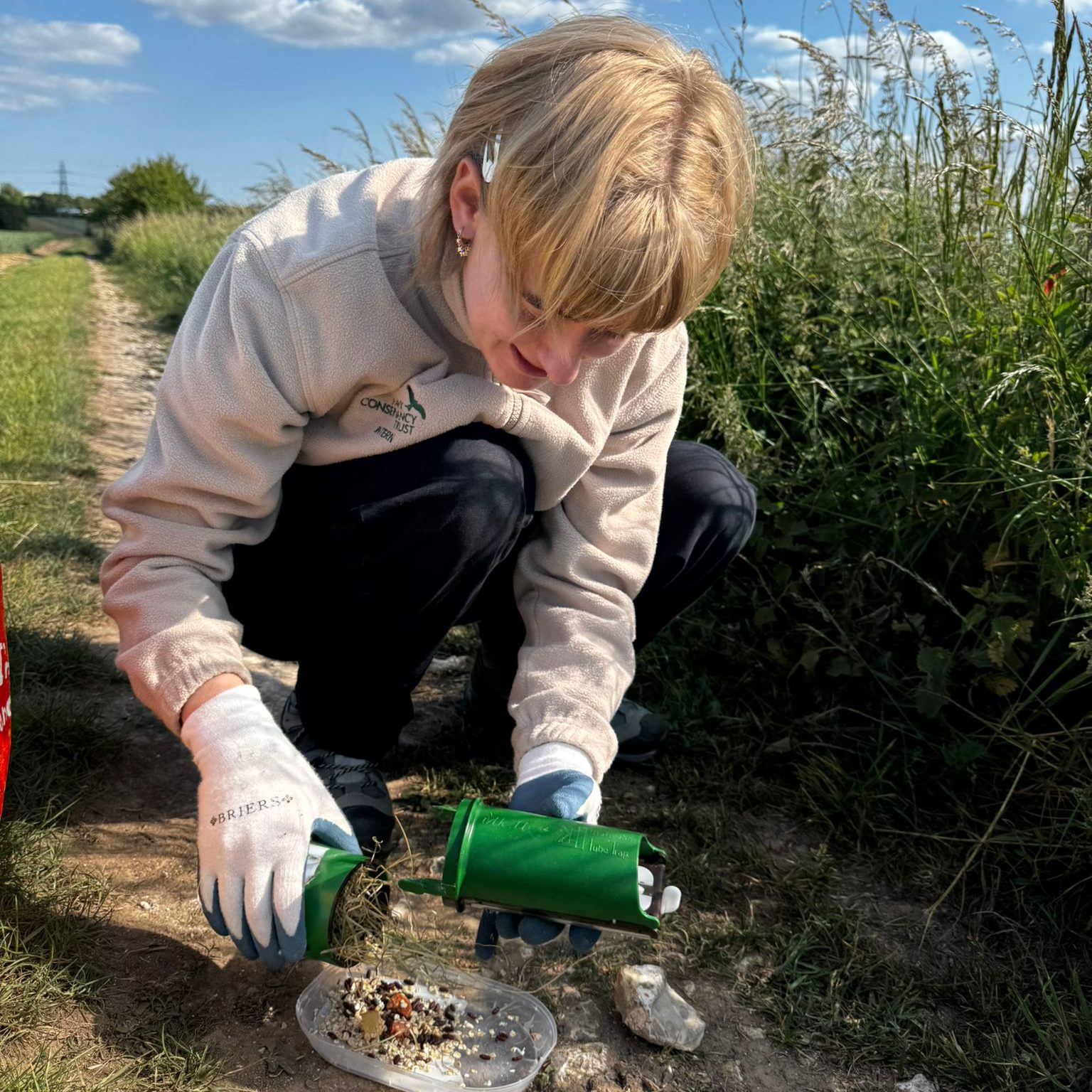
We’re delighted to introduce Sorcha, our 2025 Conservation and Research Intern! We are grateful to the Cameron Bespolka Trust for funding this Internship. Over the past few weeks she’s been getting stuck in carrying out onsite biodiversity surveys, supporting our Research Assistant, Tanith, surveying small mammal populations, and so much more!

‘Having grown up visiting the Hawk Conservancy Trust, I am thrilled to be back as a Conservation and Research Intern for the next few months. It has already been a busy couple of weeks, and I have loved getting involved with the various tasks here at the Trust.

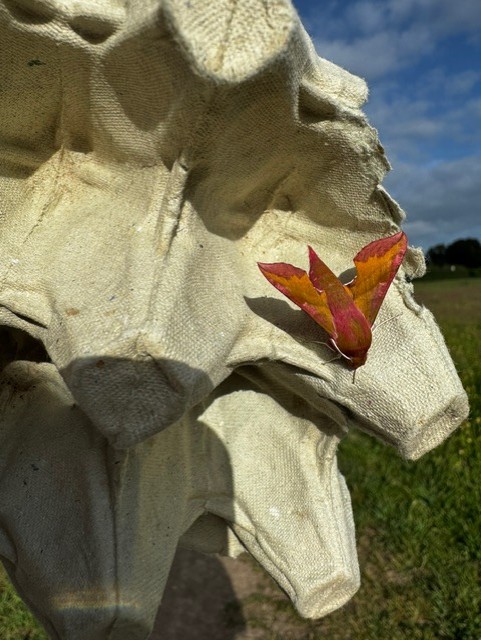
I have a BSc in Zoology and an MSc in Taxonomy, Biodiversity and Evolution and my main area of study has been on Lepidoptera, moths in particular. Having completed my master’s in taxonomy, I realised I would like to return to the world of conservation and spent the last year conducting surveys and conservation management tasks with various local wildlife groups as well as helping with cetacean research in Scotland. Getting to work with some incredible people during this time and contribute to the important work they are doing, I asserted that I wanted to pursue a career in conservation and this internship presented itself at the perfect time.

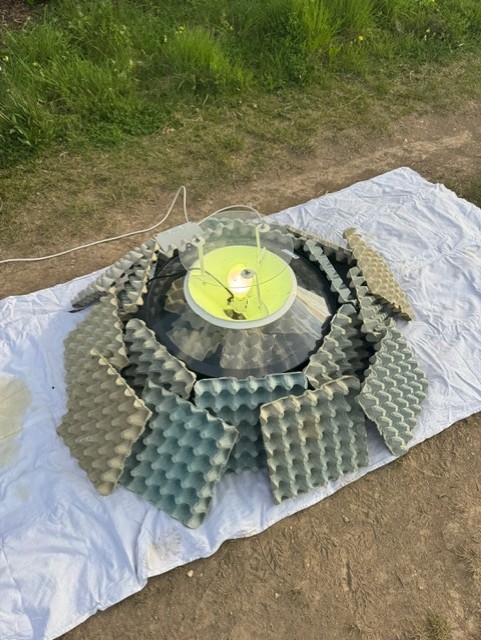
On-site biodiversity monitoring is in full swing this time of year and it has been lovely to see just how much diversity the Trust provides for, from moths and butterflies to birds and small mammals and the beautiful flowers starting to make an appearance in Reg’s Wildflower Meadow. On-site and off-site small mammal trapping has also begun for the year; we do this as a method of monitoring prey populations of our native birds of prey which is essential to get a full picture for how the populations are coping and what we can do to help. Under the excellent tutelage of Jamie and Tanith, the Conservation and Research Coordinator and Research Assistant here at the Trust, I have already learnt so much and I am really looking forward to the rest of the season.

I have also been able to practice using various pieces of data analysis and visualisation software, including R and GIS. Etc. Having not used them since finishing university a year ago I have become quite rusty, but I am really enjoying getting back into it and I hope to be able to continue these skills into the future.

In the short time I have been here I have already learnt invaluable skills and truly gained an insight into the incredible ethos the Trust team has for birds of prey and conservation in general. It has been an absolute delight to be a part of the team and the work they do, and I can’t wait to see where the rest of the internship takes me!’

We’re delighted that Sorcha has joined the Trust, thanks to funding from the Cameron Bespolka Trust.  We are delighted to be working with The Cameron Bespolka Trust, a charity that has been set up in memory of Cameron and his passion for wildlife. Cameron was a young naturalist who loved nature and in particular birds.  Their main aim is to inspire and encourage young people to love and appreciate wildlife and our environment, which is a shared aim of ours at the Hawk Conservancy Trust.  We need young conservationists of the future to help us achieve our mission – the conservation of birds of prey and their habitats.  The internships will offer hands-on experience with public engagement and education for conservation, fieldwork, analysis, and science communication while supporting the Trust’s on-site biodiversity work.


How we are conserving Kestrels

Posted on: by

With your generous support, we were able to reach our £5000 target through the Big Give Green Match Fund. With these donations doubled, we’ll receive £10,000 towards our work conserving Kestrels! We are so grateful and humbled once again by the fantastic support of our community who care as deeply for these beautiful birds as we do – thank you.

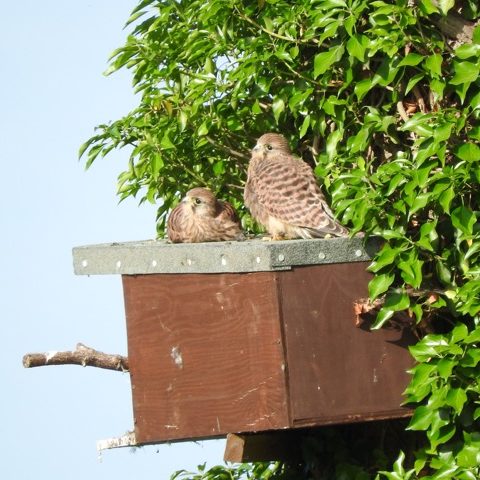
Sadly, Kestrels are declining at an alarming rate in many parts of the UK. The reasons for this are unknown, and until we can figure out why, this iconic British species could be at risk of disappearing from our landscape. We are working hard to discover the reasons behind the Kestrel decline, and are about to start working with methods never before used in Britain. With your help, we can carry out this vital scientific research and put conservation actions into place to help this species.

To celebrate 60 years, we’re hoping to raise £60,000 to support this much-needed expansion of our ongoing conservation work with Kestrels through different members of our team taking on a series of different physical challenges.

By making a donation, you’ll be directly helping to support this species by funding:

• GPS Trackers for monitoring Kestrel movement and behaviours

• Even more Kestrel nest boxes in new areas across Southern England

• Give colour-rings to each Kestrel chick before they fledge the boxes

• An increased network of volunteers to monitor population levels

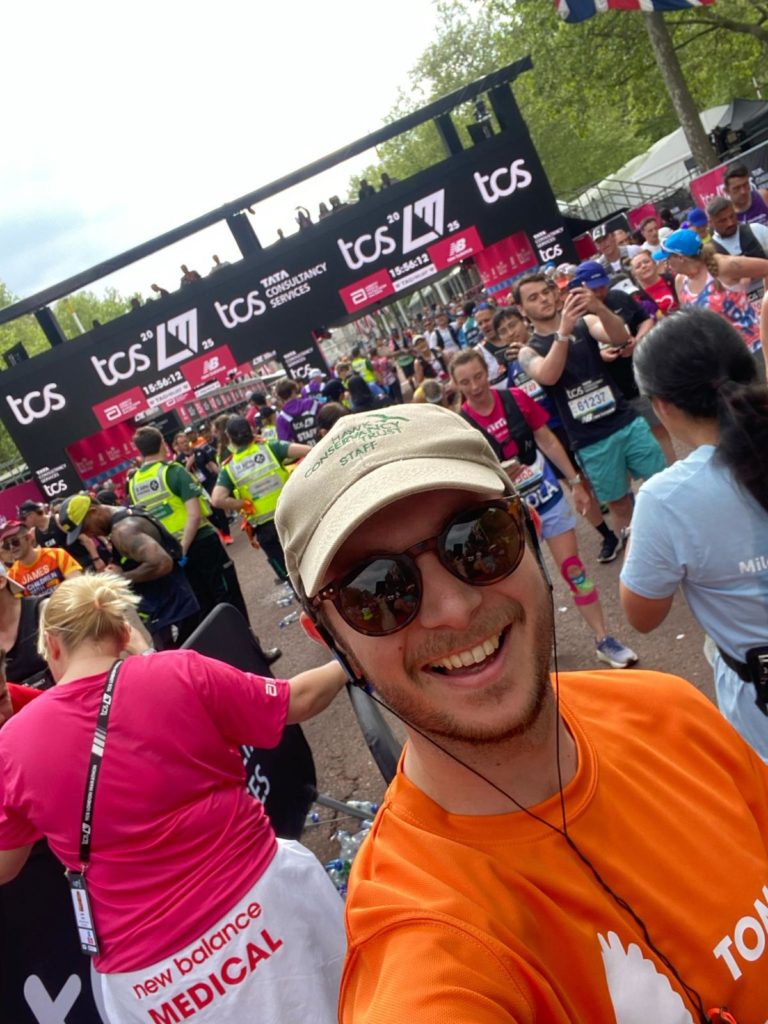
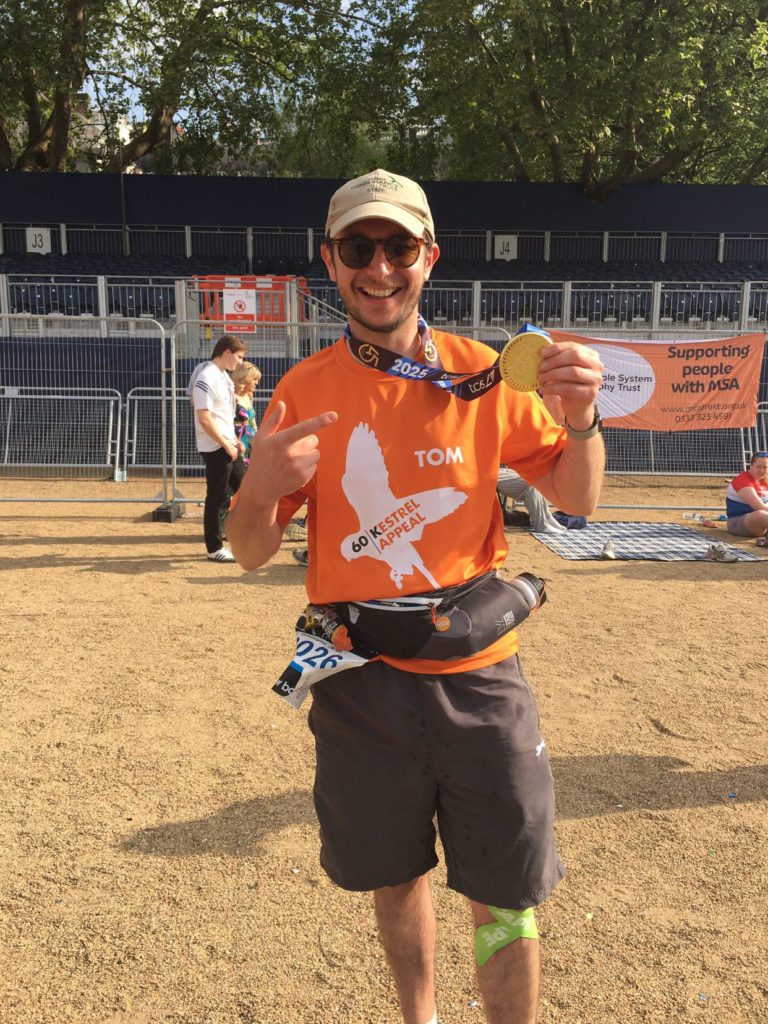
On Sunday 27 April, our Deputy Head of Living Collection Tom Morath completed the London Marathon – which was his first ever running race! He absolutely smashed it, with a superb time of just 5 hours and 45 seconds, saying:

“This was something I’d never thought I’d ever do or be able to do. The run was hard, brilliant, fun, emotional and exhausting.  I’m so grateful to all who have supported me, every penny raised will aid the work of the Hawk Conservancy Trust, with Kestrels in particular – birds I have grown-up admiring and now have the privilege to work with every day in my role as Deputy Head of Living Collection at the Trust.”

Tom is the first of our team to take on a challenge this year in aid of our wok with Kestrels. Next up, Vicky Stacey and Denise Coates from our Office Team are taking on a 5k obstacle course! Make a donation to support them.

Announcing a new partnership with the Cameron Bespolka Trust

Posted on: by

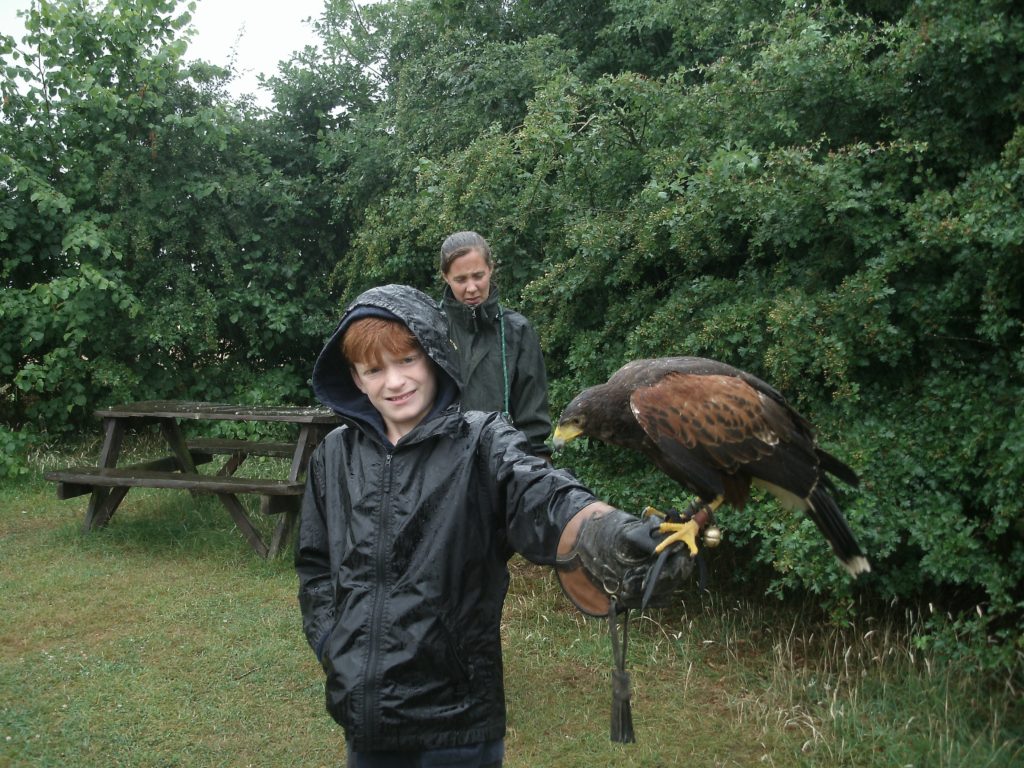
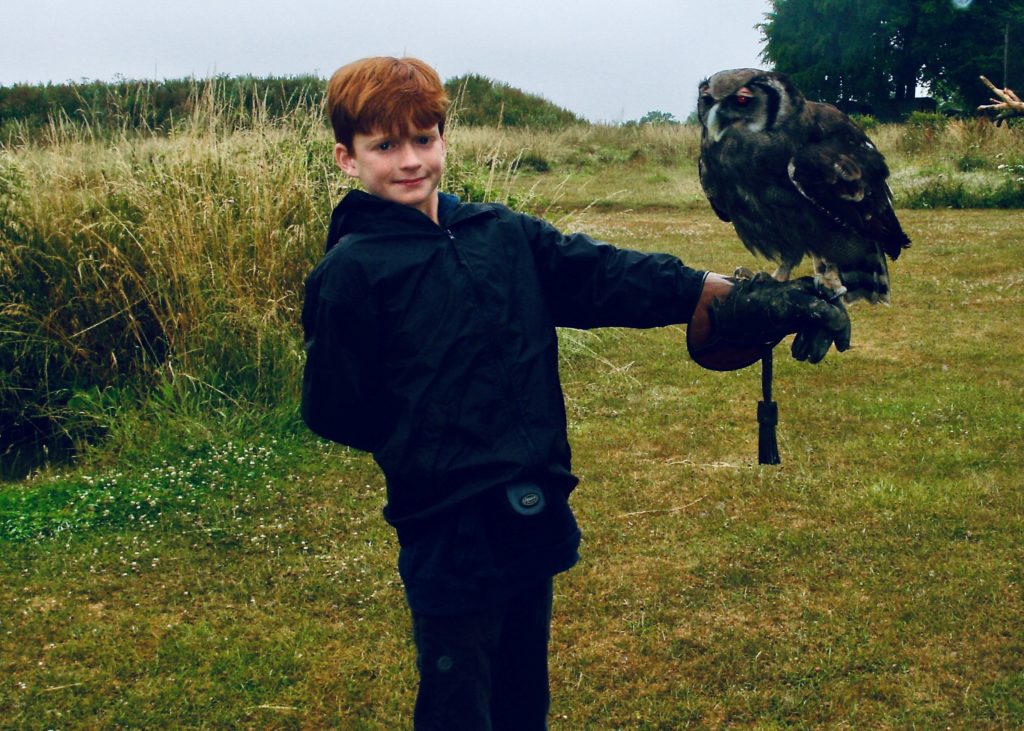
We are delighted to be working with the Cameron Bespolka Trust who have kindly agreed to support some exciting educational projects.  The Cameron Bespolka Trust is a charity that has been set up in memory of Cameron and his passion for wildlife. Cameron was a young naturalist who loved nature and in particular birds.  He spent much of his time exploring the outdoors and visited the Hawk Conservancy Trust on many occasions where he loved getting close to the birds here, whatever the weather!

The main aim of the Cameron Bespolka Trust is to inspire and encourage young people to love and appreciate wildlife and our environment, which is a shared aim of ours at the Hawk Conservancy Trust.  We need young conservationists of the future to help us achieve our mission – the conservation of birds of prey and their habitats.

In his memory, the Cameron Bespolka Trust are funding some opportunities at the Hawk Conservancy Trust that are open to teenagers and young people to discover the wonderful world of birds of prey and nature and encourage a career and or long-term passion in conserving them.

The Cameron Bespolka Trust will enable two internships within our Conservation, Research and Education department.  The internships will offer hands-on experience with public engagement and education for conservation, fieldwork, analysis, and science communication while supporting the Trust’s on-site biodiversity work.

The Cameron Bespolka Trust will also support our Explore Nature programme in 2025.  Explore Nature is a programme that invites senior school students and community groups to spend a day the Hawk Conservancy Trust to attend workshops, career exploration, and displays. It aims to encourage young people, who simply may not get the opportunity otherwise, to connect with nature.

We are excited about the new partnership and look forward to working together in the future.

Transect tales with Tanith

Posted on: by
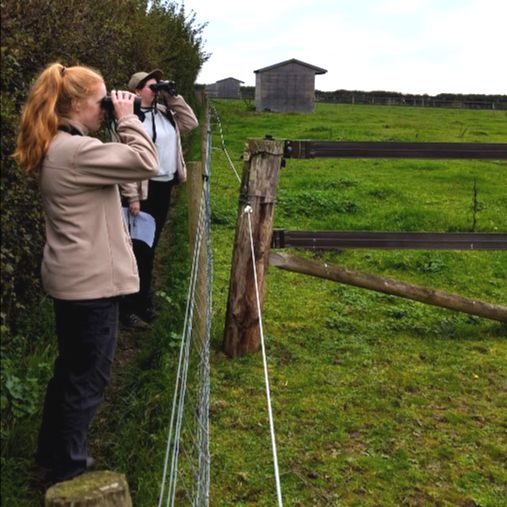
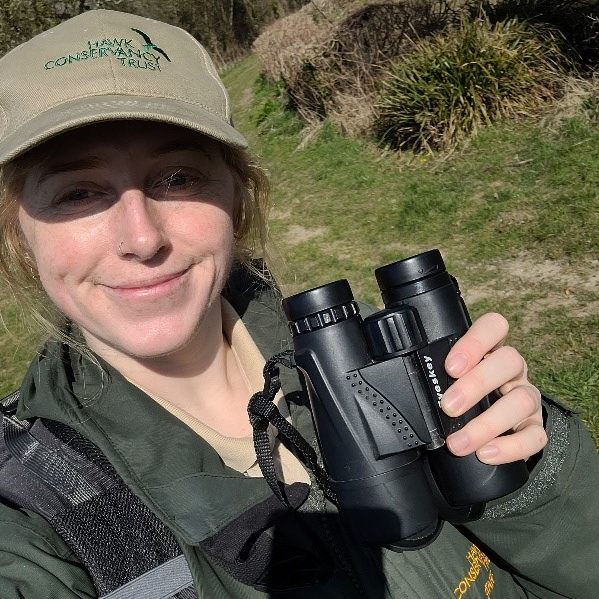
Transects are an essential aspect of our conservation and research with British birds of prey, where sightings of these birds along a set walked route are recorded. These surveys take place in the spring and autumn to inform us about numbers and population changes across Southern England. We caught up with our Research Assistant Tanith Jones to hear about what it’s like to walk a transect.

“Spring has truly sprung and with the emergence of Snowdrops, Daffodils and some slightly warmer and sunnier days, it marks the beginning of the fieldwork season for many conservation biologists. Here at the Trust, we kick-start the new year with raptor transect surveys as part of the British Raptor Programme. Starting in mid-February and running through to April, these surveys are an excellent way to count and monitor birds of prey. This time of year especially, many raptors are displaying and defending territories. Some of the more elusive species, such as Goshawk, can be more visible this time of the year too!

So, what is a raptor transect survey?

Our raptor transect surveys involve walking a 9-13km loop route, recording observations of birds of prey and the location of the bird/s in relation to the transect route. Ultimately, these surveys can be a useful way to determine distribution and numbers of species across a large area – in this instance, a whopping 19,072km2 across the Southeast of the UK! Covering Hampshire, Berkshire, Oxfordshire, Surrey, East Sussex, West Sussex, Buckinghamshire and Kent, there are a lot of miles to be walked. Fortunately, the Conservation and Research Department are supported by a dedicated team of volunteers who walk some of the routes during the survey season and have contributed massively to this amazing project.

How to spot and identify birds of prey?

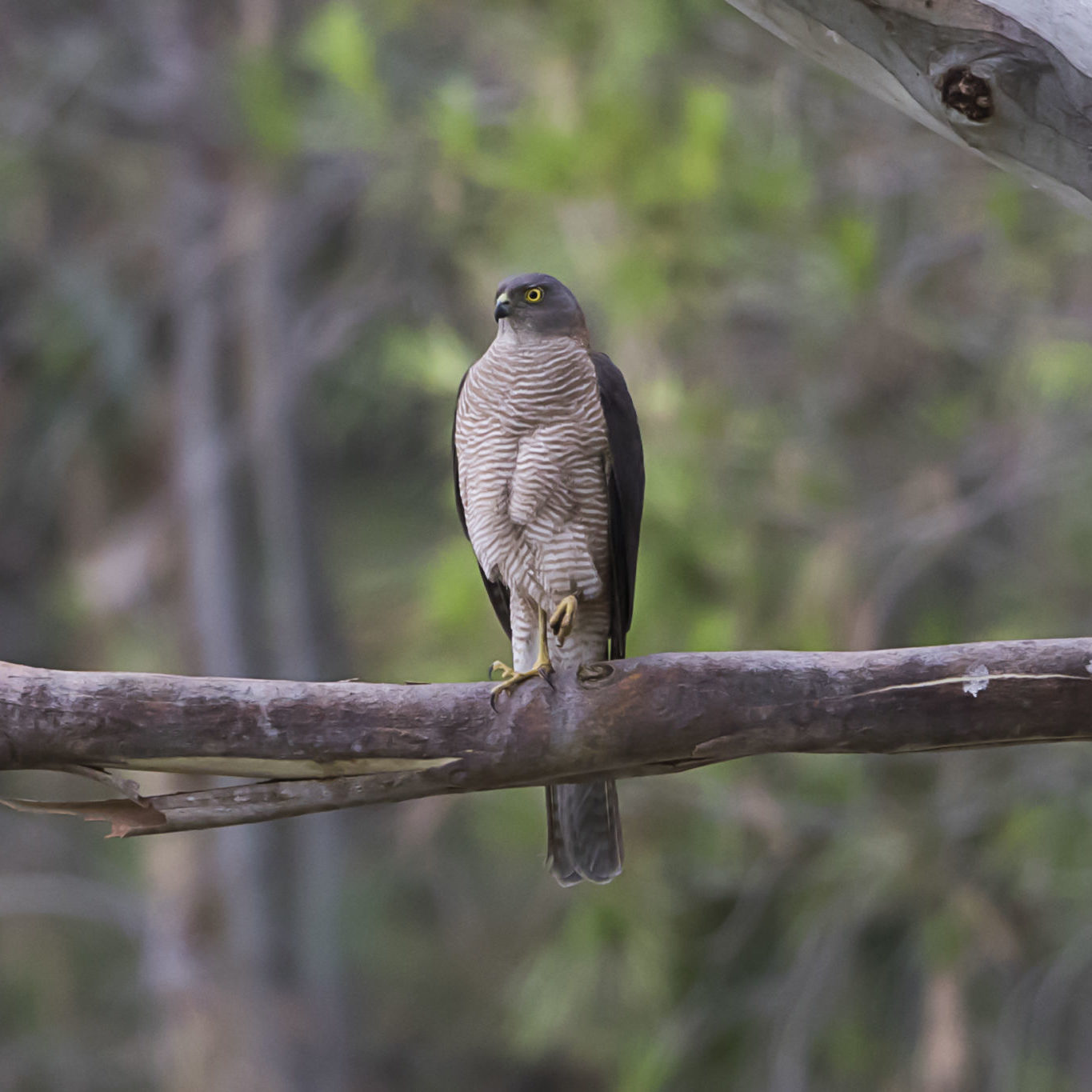
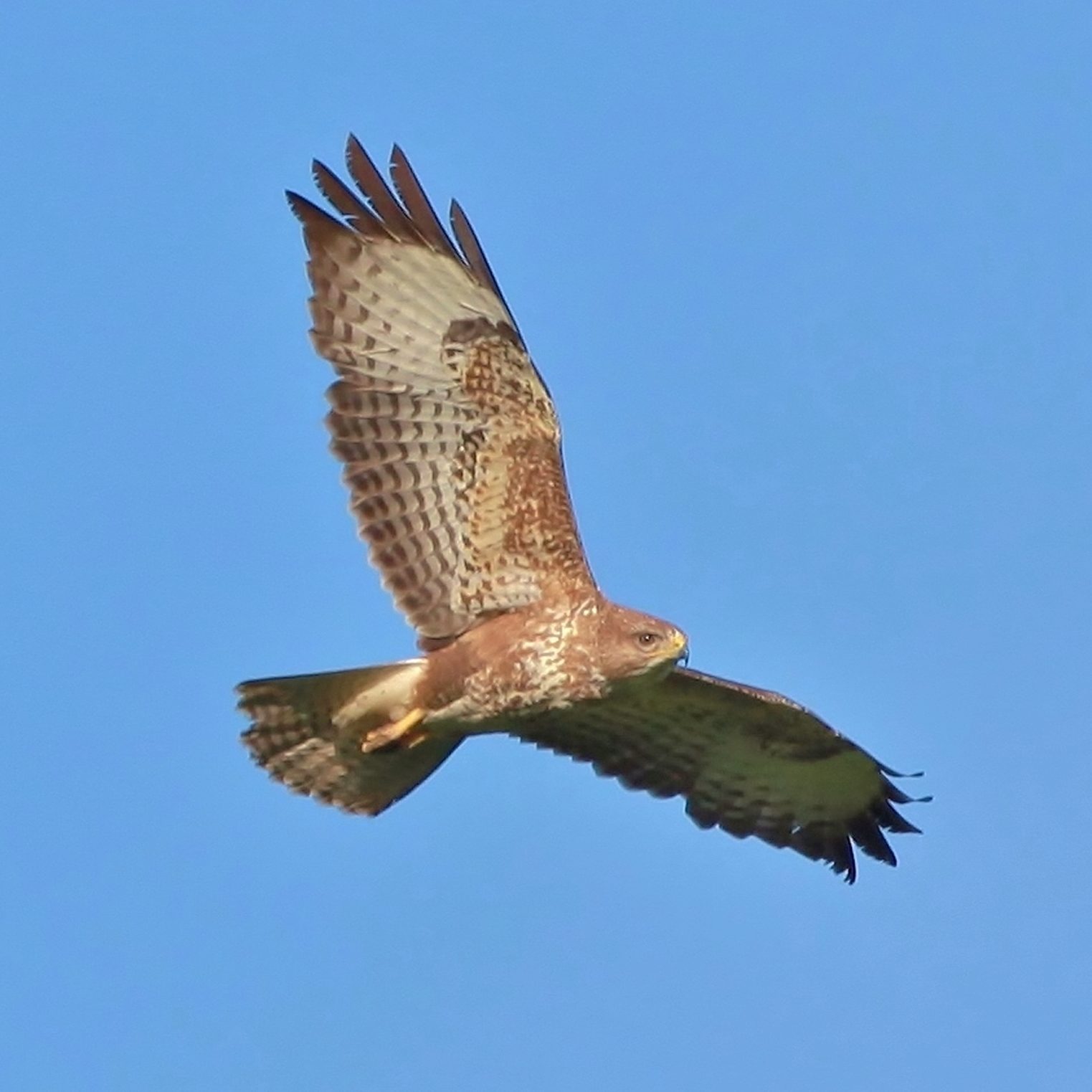
Ideally, a clear and calm day is perfect for getting out on these surveys. Good visibility is important for spotting birds and having some trusty binoculars really helps too. Birds of prey are often further afield or camouflaged within hedgerows and treelines and so having this piece of kit is essential to make sure you have that ‘eagle’ eye. If you are lucky, there may be a clear line of sight to a bird of prey perched nearby, but usually sightings can be very brief making identification trickier. For example, a Sparrowhawk in a fast pursuit along a hedgerow is arguably much harder to spot than a vocal Buzzard soaring in clear blue skies. When out on a transect, I always make sure to scan hedgerows, treelines, pylons and utility poles, dead trees, trees with a good vantage point, the ground, stone walls and fencing posts. These are examples of likely places to find birds of prey, but expect the unexpected and always look up and behind you too!

Plumage is a great way to identify birds of prey, but if the light is not great, or the bird is high up circling on a thermal, it is not always easy to base identification on this alone. Body shape, wing and tail shape, wing and tail length, vocalisations, flight style, behaviours and habitat are things that should be considered if the observation is not as clear. Size of the bird is also a good feature to help distinguish between some birds of prey, but it can be tricky if there is no reference at a similar distance. Not every observation is an easy identification, but practice and combining some extra information from these features can help with the accuracy of the identification.


Sometimes birds of prey can also be spotted by using the responses of other species. Corvids (like Crows and Rooks), for example, are very protective and territorial, so much so that they will actively discourage and dive at a bird of prey if they get too close to a roost or nesting site. This “mobbing” behaviour is a great way to spot a bird such as a Buzzard or Red Kite since the erratic flight is quite jarring along a treeline. Another example is if flocks of passerines (like Bluetits or Goldfinches) flush from hedgerows along with lots of alarm calls, it is likely that a predator, such as a Sparrowhawk could be causing all the distress.

I thoroughly enjoy these transect surveys since you never know what you might encounter. It is a great way to see our birds of prey in action, and recording them in this way helps to build an understanding of their distribution and population over the years.”

New ‘Woodland Wonders’ flying display taking off for the Easter Holidays

Posted on: by

A new bird of prey flying display is being launched just in time for the Easter holidays!

The new ‘Woodland Wonders’ flying display will take flight daily from Saturday 5 April, following extensive remodelling work within our Woodland Arena. It will bring to life the quintessential British woodland environment and highlight its importance as a habitat for the many species of wildlife it supports.

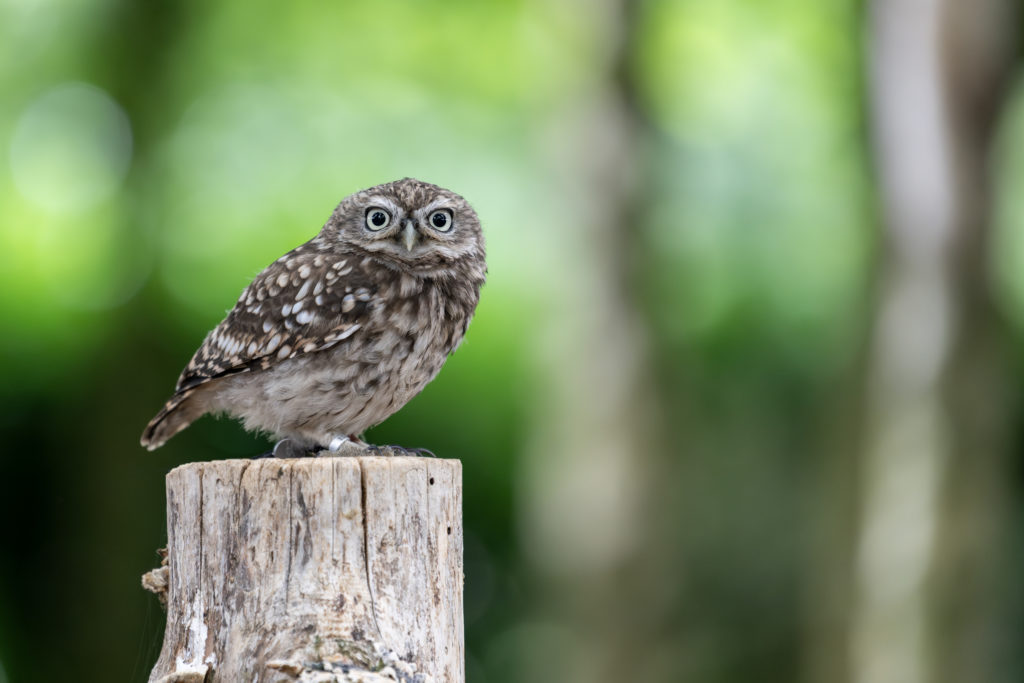
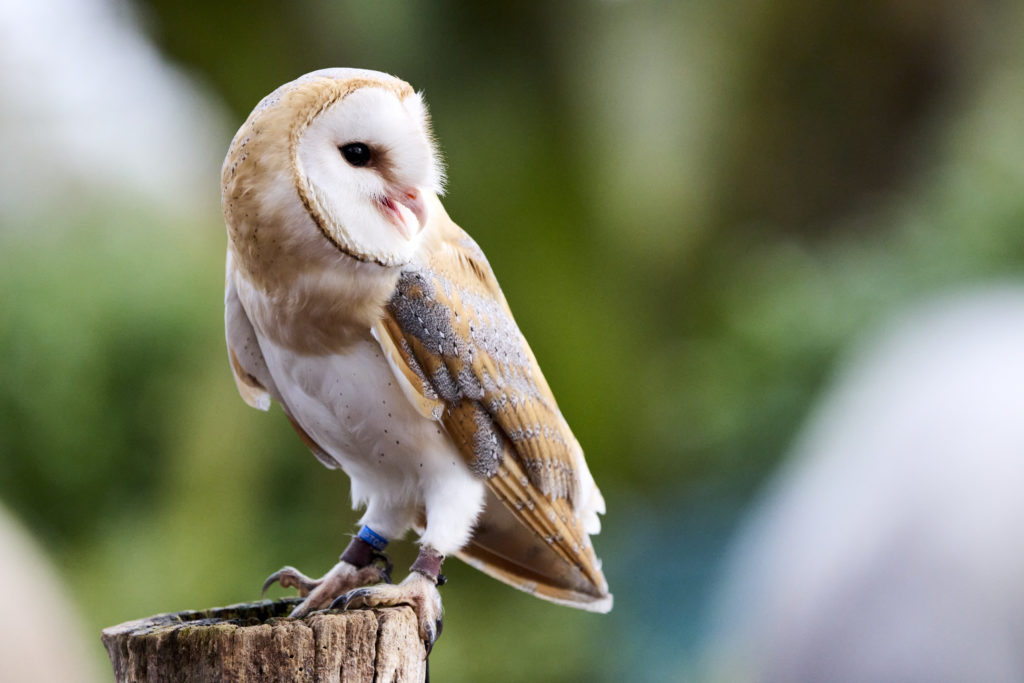
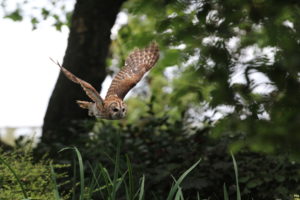
Multiple birds of prey will take to the air as stunningly choreographed music, special effects and narration give visitors a close-up view of life deep among the trees. Some may feel the breeze of an owl’s wings brushing incredibly close overhead – perhaps those of a Tawny Owl, Barn Owl or even a Little Owl – so named as the smallest species of owl living wild in the UK.

Speaking about the new display, our Deputy Head of Living Collection Tom Morath said: “The team has been working on Woodland Wonders for months now and we can’t wait to share it with our visitors.  Set within our beautiful woodland, this is the most intimate of the three very different flying displays we offer every day. With its new features and captivating storytelling, Woodland Wonders reveals more than ever before about fascinating birds of prey here in the UK.  Our visitors can learn about the challenges these birds face, and how the Trust’s British conservation projects improve our knowledge of these species, helping us to conserve them. Ultimately, we try to ensure all our visitors leave feeling uplifted, more aware and inspired to support birds of prey.”

“We’ve really spread our creative wings for Woodland Wonders.  The team of staff and volunteers have worked incredibly hard to make this our most immersive experience to date – expanding the seating for new and dynamic viewing angles and even creating a charming waterfall and stream as a backdrop to the stunning skills displayed by our wonderful birds.”

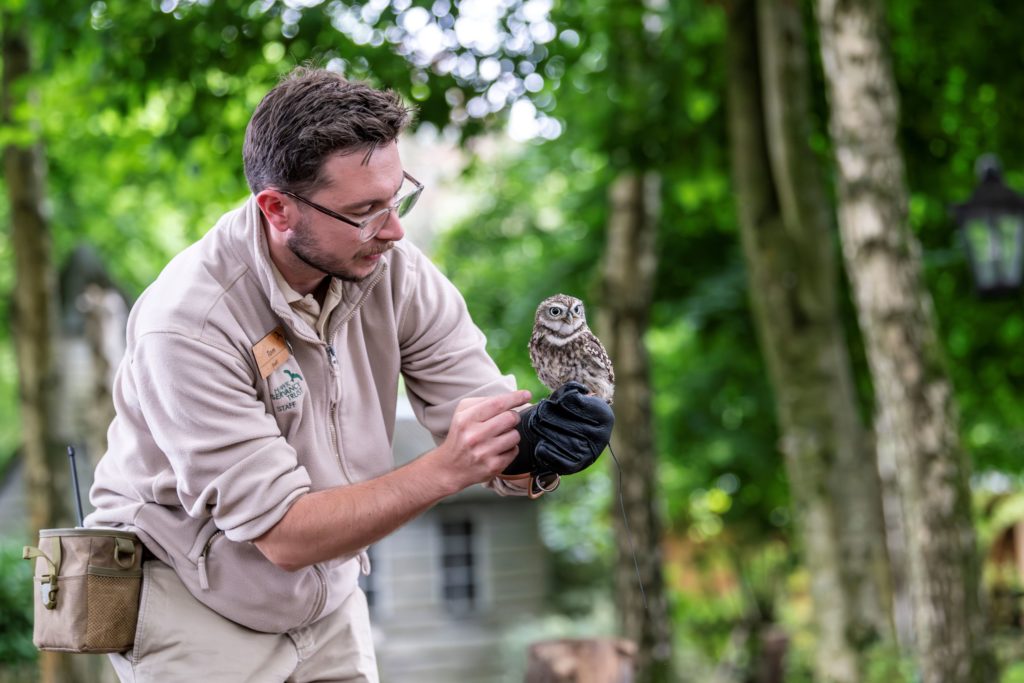
Many of you will have seen last year’s arrival of Little Owl chicks Cheddar and Mozzarella and Barn Owl chicks Lulu and Brie.  All four are now fully grown and ready to take flight in the new display when it opens at the start of April.


Jennie is flying high!

Posted on: by

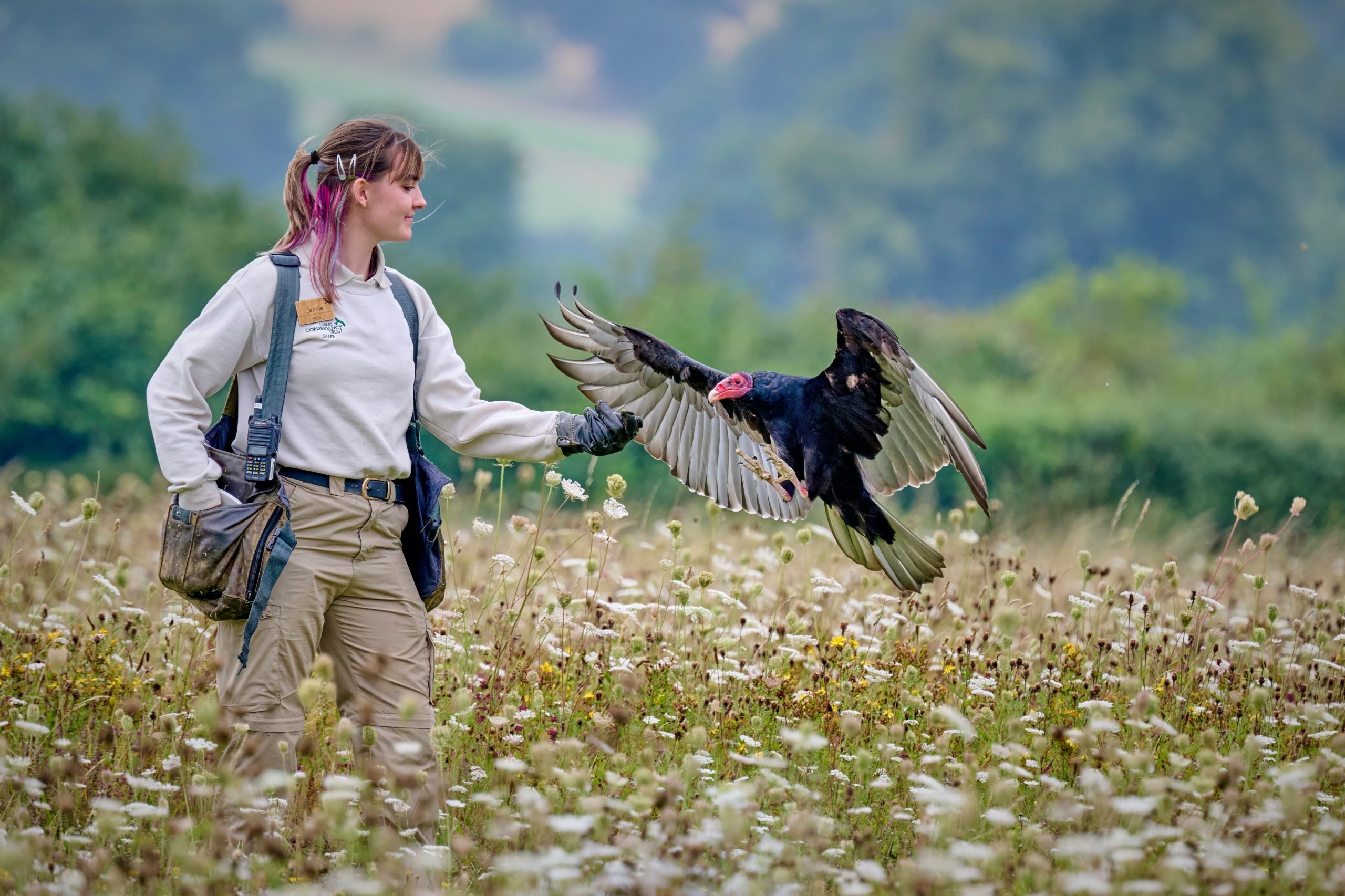
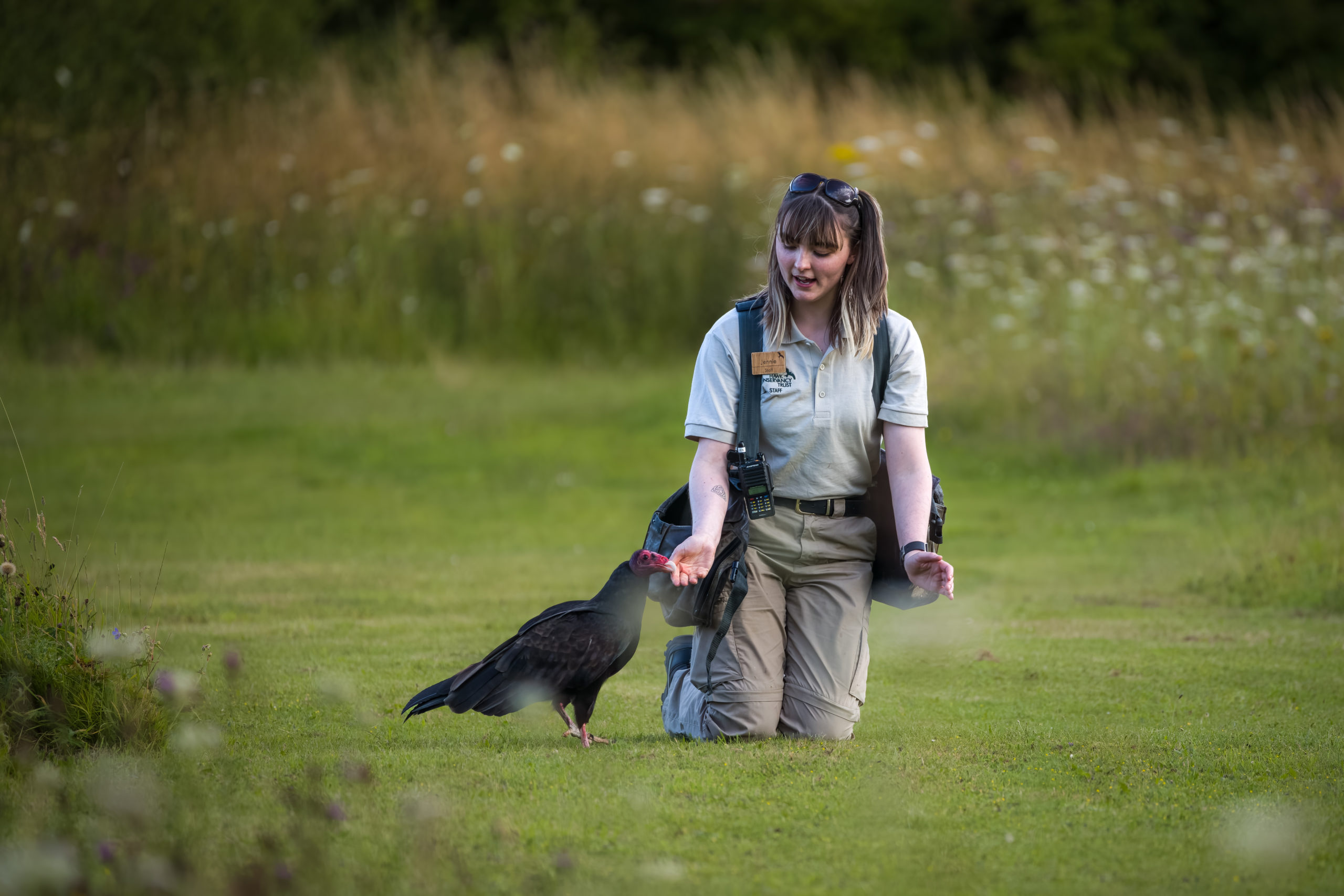
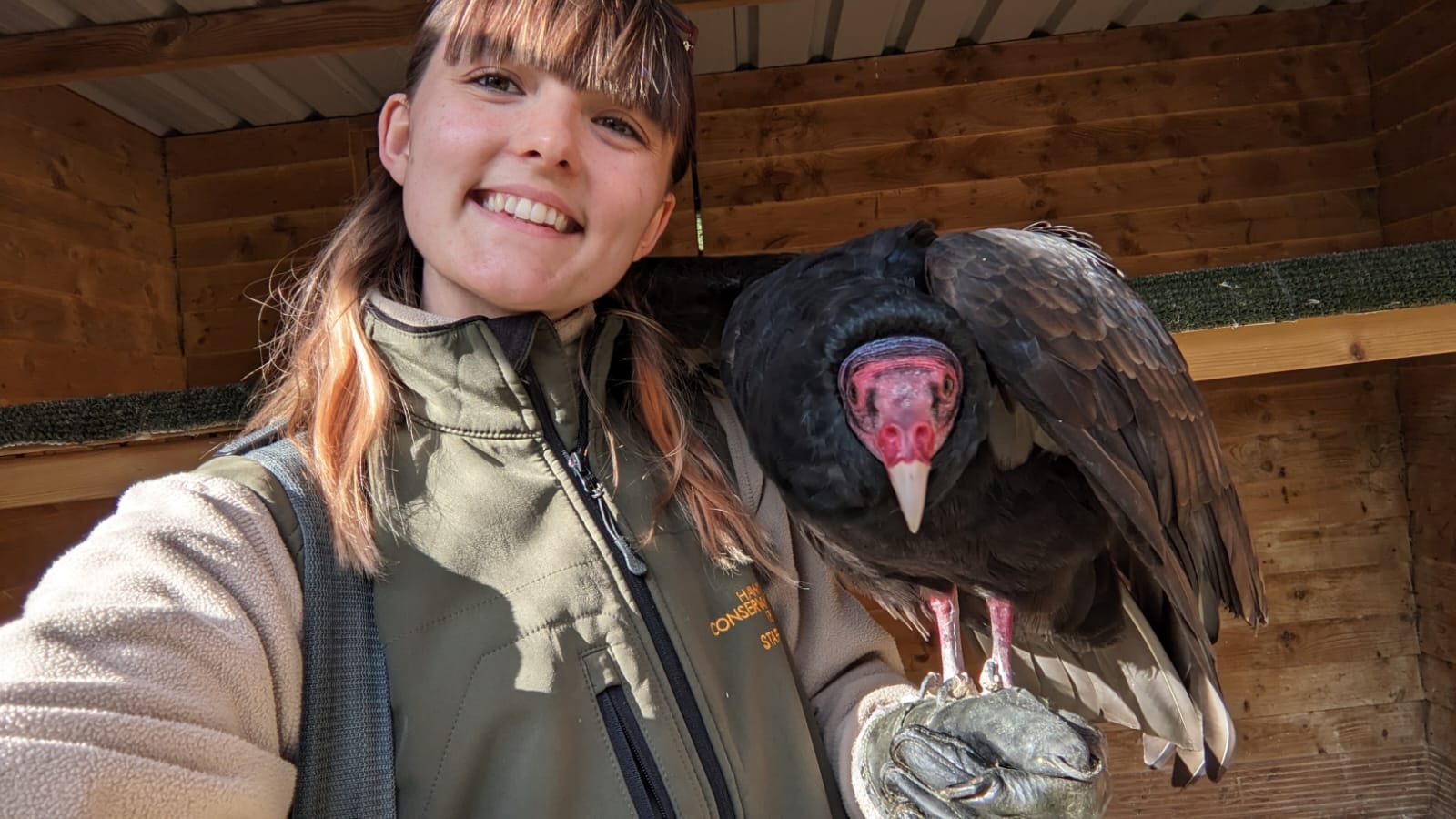
We’re delighted to share that Bird Team member Jennie Marshall has passed her Level 3 Zookeeper and Aquarist Apprenticeship with flying colours! A very well-deserved accolade for nearly two years of hard work. We chatted with Jennie to reflect on her time working towards this qualification, the skills she’s learnt along the way, and close bond with one particular bird she’s bonded with through it all…

I started at the Hawk Conservancy Trust in October 2021, where I began my Level 2 Apprenticeship qualification. After completing this, I then began my Zookeeper & Aquarist Level 3 Qualification in February last year, and after completing this in October this year I am now a fully qualified keeper!

Throughout my Apprenticeship I’ve really enjoyed learning how to care for the birds across all sections here at the Trust. As well as learning how to care for the birds in their aviaries, I love working with the birds during our flying displays, and learning about the ways of working with them and the training techniques that take place.

As part of the Apprenticeship, I’ve not just learned about birds of prey, but all types of different animal groups and species, and how to look after them. When we covered mammals, our Miniature Donkeys Mickey and Molly were the focus of my attention for a while! I really enjoyed this – they are such a fun pair of animals to work with, and I look forward to looking after them twice a week when my colleague Ryan Stephens (their best friend) is on his days off.

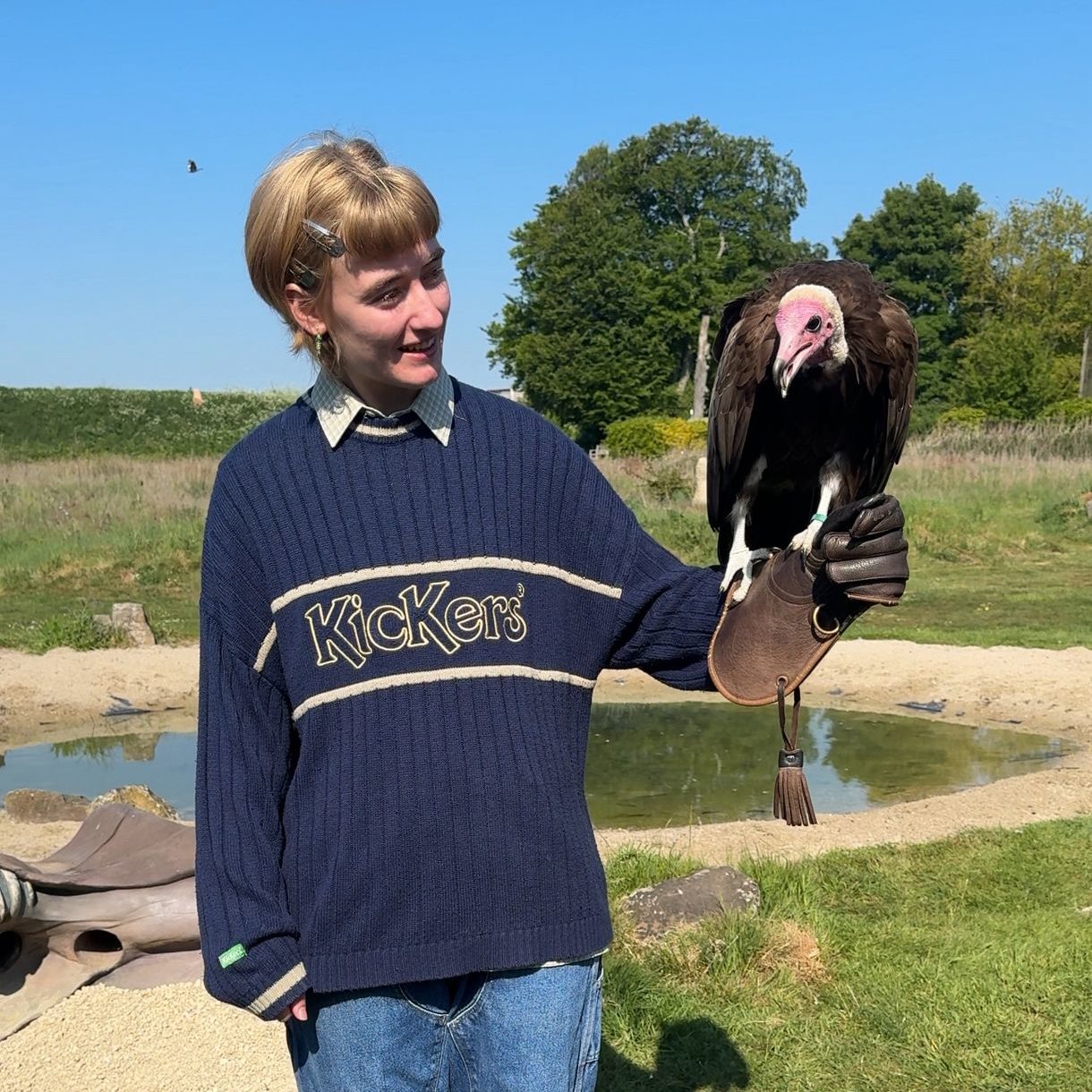
But, during my time here, there’s one specific bird who I’ve really bonded with…and that’s Burdock the Turkey Vulture! We obviously don’t have favourites here, but Burdock is pretty high up on my list! We’ve worked really closely together since I started at the Trust, both in flying displays and working alongside him on my Apprenticeship.

As part of my qualification, I had to demonstrate training techniques with our birds, so choosing a bird to work with for this was easy! Together, Burdock and I worked so that he would feel comfortable hopping into a transport box. This is a really important thing for our birds to be able to do confidently, as it means if he ever moves aviaries, needs to go to the vets or have a health check, it can be done really smoothly and as easy for them as possible. Burdock is a very inquisitive bird by nature, but can be a bit nervous when new things are introduced into his aviary or his daily routines. This training centred around building on the trust between us, not rushing things and letting him go at his own pace. There was learning for both of us to do!

His first introduction to the travel box was quite positive – he immediately went up to it, and spent time going in, around and jumping on top of it. After investigating it, he seemed content with it being in his aviary. We’ve gone through some trial and error with different training techniques – sometimes he would run into the box before I asked him to, and sometimes he would hop in and would refuse to come back out, seemingly content to stay in there of his own accord! We are currently trying Target Training – a method where Burdock will go to an area indicated by a target and receive his favourite tasty treat when he does so.

I’d like to think the feeling is mutual with Burdock – in fact, he’s made it pretty obvious he’s a a fan of me too! There was a period of time where if Burdock was flying with another member of the team and I was onsite, he would use his fantastic sense of smell to sniff me out! He demonstrated this fantastically once while I was running an Owl Experience session in our Woodland Arena – a gate-crashing Turkey Vulture was a bit of a surprise for everyone! There were times he would fly the entire perimeter of the site to try find me if he thought he could smell me. So I think the favouritism is returned – although I’m not quite sure how to take it really as his species is used to sniffing out rotting carcasses! We’ve now combatted this, but sometimes when he’s out flying I make sure I’m hidden out the way – just in case.

A woodland update with Mike

Posted on: by

Over the years, our 22 acres have grown and developed into an award-winning visitor attraction, surrounded by wonderous wildlife. Having worked at the Trust for over 20 years, Bird Team Member and Head of Flying Birds Mike Riley has been there for many of these exciting developments. We caught up with Mike to hear all about the next area of the Trust to have a revamp – our Woodland Arena!

“Well autumn is upon us again, and it’s the time of year where some of our birds will rest for the winter months, and some will begin their flying season.

Making sure that our birds are comfortable is our top priority, with any changes we make.  As we swap the birds around to prepare the winter birds for this time of year, we make sure that our team are ready to go for our daily winter flying displays, experience sessions, and Behind-The-Scenes VIP Winter Experiences – as well as their understudy’s should the birds choose they don’t want to fly for whatever reason! This allows them to take it in turns.

As some of you may know, even the slightest change can cause a stir for some of our starring celebrities, especially in the owl world, and we’ve had a number of hurdles to cross already this year. More on that in a little bit!

Not only are we managing this changeover of which birds are flying and who’s resting, we’re also working hard around the Trust. If you’ve been a regular visitor throughout the year, you’ll hopefully have seen that at the start of the 2024 season we started new work in the Woodland Arena. The large pond, which used to be home to our two seals Cockle and Clam way back in the 1960’s, has now been filled in. This gives us a much larger arena to move around in while working with our birds.

You may also have noticed a large concrete structure has appeared at the bottom left of the arena, where work has been in progress for the last couple of months. This is a surprise so I can’t tell you what it is, but what I can say is that it is all part of something new for 2025.

We’re looking to start further work on this during our two closed periods in November and January. As we move into winter, January is always an interesting month for any work that we undertake.  Whatever we’re doing also has to fit around our Winter Woodland lights extravaganza, which runs from Friday 17 January to Sunday 2 February next year.

During these closed periods, working with the birds and their routines continues and we carefully get them used to any changes within the Woodland Arena as the work continues by our amazing team of volunteers. One of our most dedicated volunteers who helps us at this time is Viv Broughton.  If you don’t know Viv, he’s the creative mastermind and builder behind the six new themed aviaries around the edge of the Woodland Arena, which are amazing to say the least!

We have been working closely with our birds to make sure they are comfortable with the building work in the woods, and will continue to do so when the new lighting and sound system is installed for Winter Woodland Lights. Even though we’ve done the Winter Woodland lights for a number of years now, we still make sure the owls are used to all the new set up all over again. As their daily routines don’t usually involve so much extra equipment being around, sometimes it’s like they have never seen it before.

For Troy the Tawny Owl, this was the case when we upgraded to a new sound system in the Woodland Arena earlier this year. The new system controls the commentator’s headsets and all the music with new speakers hidden within the trees and log piles. After installing these, Troy decided he just wouldn’t fly over towards any of the speakers, and created his own routes through the trees, keeping all the Bird Team on their toes!

One tree in particular, known as ‘Troy’s Tree’, is central in the arena. It has been nicknamed ‘Troy’s Tree’, as it’s the final tree Troy flies to during the Woodland Owls display before heading off for home. After the new speakers were installed, he refused to land in it! We’ve adapted things to work around him and he flies home from a different position. Perhaps he can hear a different sound or frequency which he isn’t used to. But, as is the case with all of our birds, he’s the boss, so we’ve found ways to work with what suits him best so that he’s happy in his routine.


It will be interesting to see how Molly, our Eurasian Eagle-Owl reacts to the new set up, as it’s her first time starring in this event. She takes it in turns to fly in our routines with Cinnamon, our Siberian Eagle-Owl. Cinnamon usually takes the limelight for Winter Woodland Lights, and this will be her first year joining the flying team for this event, so we will be working closely with her to make sure she’s happy with these new additions in our arena.

We’ve got quite a number of events over the next few months and the team know there’s a lot of work that goes into making sure the birds are happy with the changes to their routine. But by careful training and planning, we’re confident things will run smoothly.

So, keep updated on the website for more details to come about these exciting new changes for next year, and do keep coming along to see first-hand how we’re developing the Woodland Arena.”


©2025 Hawk Conservancy Trust