


X

Meeting the Trust’s personalities – Let’s hear from Sophie from the Bird Team

Posted on: by
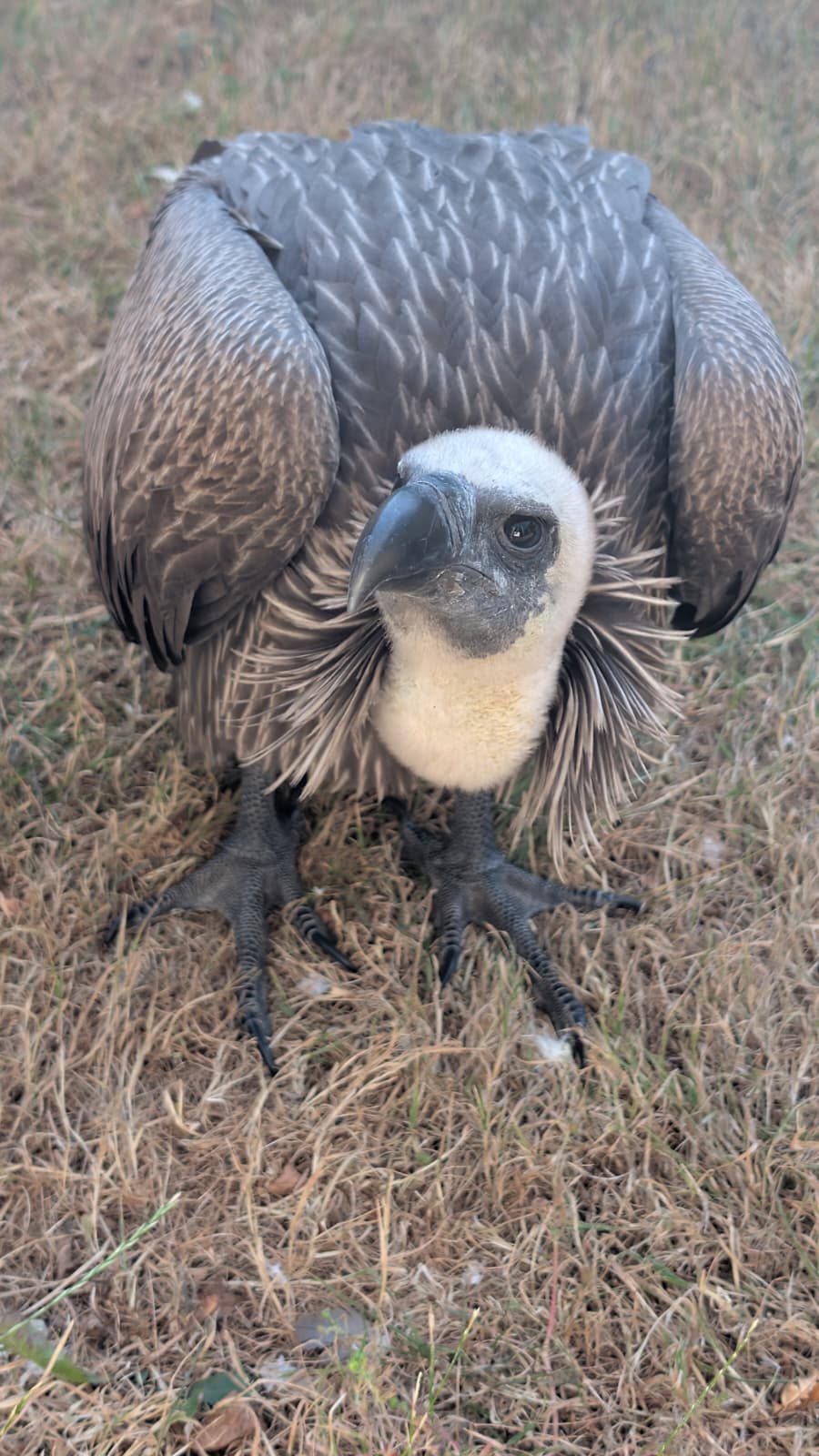
Sophie shares a passionate update about her experience on the Bird Team and the birds she has been caring for. She also shares a little bit about Norbert (this year’s White-backed Vulture chick) and how he is growing in confidence, learning new things and widening his wings.


“I have been helping at the Trust since 2017, when I first came as a work experience student. Since then, I have continued to be involved in between my other roles in zoological collections and overseas in South Africa, and this summer I have joined the team as a Bird Team member.

Throughout my time at the Trust over the years, one of my favourite parts of working here has always been having the opportunity to be a voice for animals that cannot speak for themselves. Every day, as members of the Bird Team, we are incredibly fortunate to spend time with these remarkable birds, observing them not just in flight but in the quieter moments too. It is in those moments that you begin to appreciate each bird as an individual.
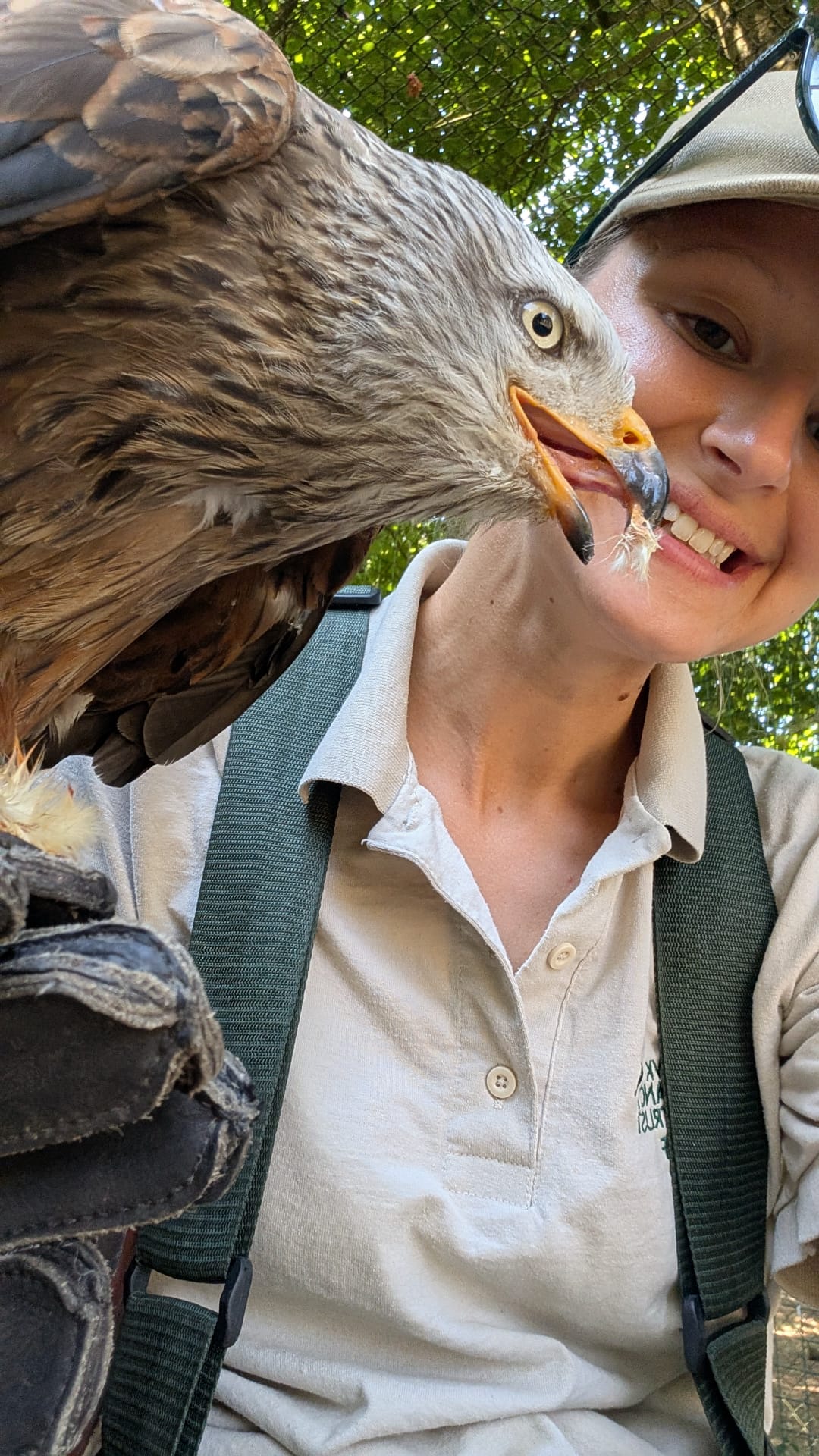


Over time, you start to notice the little things. Some birds approach something new with quiet curiosity, taking a moment to observe before making their move. Others are bold and decisive, while a few prefer to sit back and watch the world unfold around them. These subtle differences are part of what makes working alongside them so rewarding, and they’re often something that surprises people when they join us for an experience day.

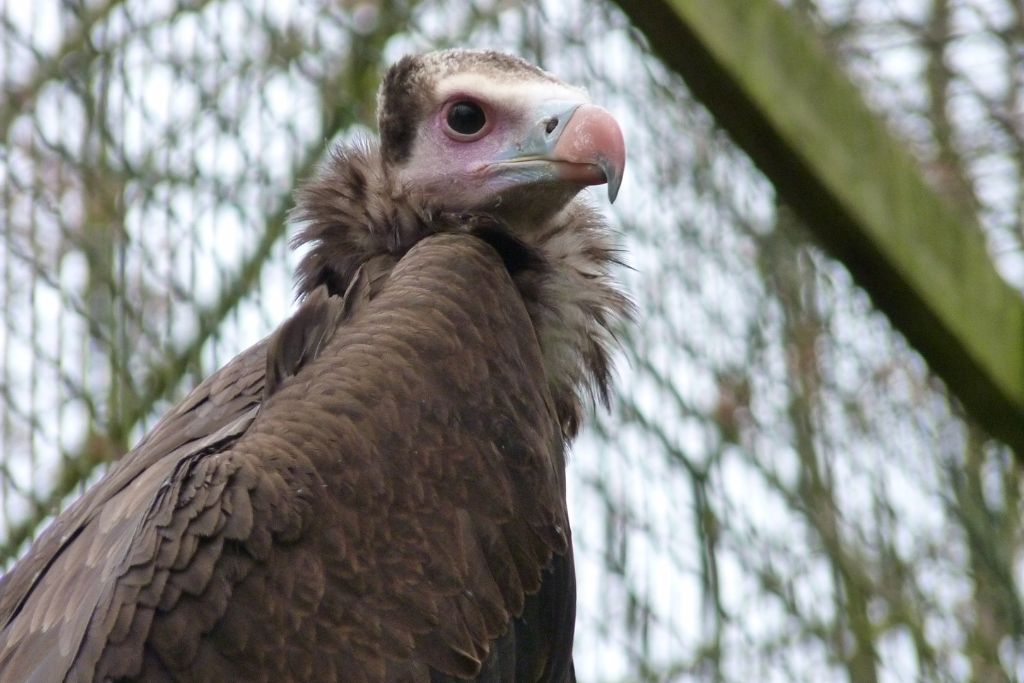
As Bird Team members, we also have the privilege of seeing how these individual traits often reflect the natural behaviours of each species. Our Hooded Vultures, for example, are endlessly curious. During an experience day, they’ll often spend time investigating guests, hopping over to see what someone is doing or examining anything new that catches their attention. It’s easy to smile at these moments, but they also provide the perfect opportunity to translate those individual personalities into an explanation of why that curiosity is so important in the wild. Hooded Vultures use these inquisitive behaviours to investigate potential food sources, watch the behaviour of other vultures and scavengers, and assess whether it is safe to approach a carcass. Their social awareness and willingness to explore are key adaptations that help them survive.
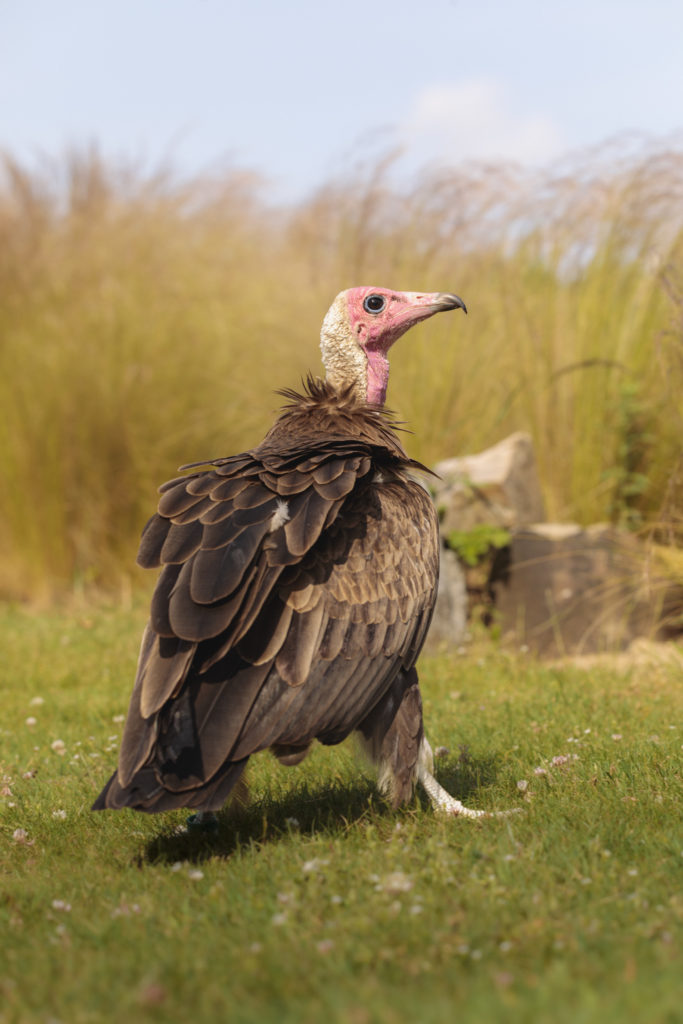


It’s these moments that make meeting the birds so special, connecting the birds we know and love every day with a wider picture and being able to reflect that to people who come and visit us. Rather than simply watching a flying display, guests begin to understand why a bird behaves the way it does, and that, as a member of the Bird Team, is truly why we love to do what we do. Every interaction becomes an opportunity to connect what they are seeing in front of them with the natural history of the species, bringing the bird’s story to life in a way that a book or documentary never quite can, and I think it surprises many guests who join us just how strong some of these personalities can be.

Recently, I had guests with me during a vulture restaurant feed as part of a full-day experience, in which we took some food down to our vulture colony. In this colony is one of our newest members of the team, Norbert, this year’s White-backed Vulture chick. Norbert was born in February so is still a young bird. As I explained to the guests, we had been incredibly lucky to watch Norbert learn how to fly. We first saw him performing lots of flapping and stretching behaviours, and then one day found him at the other end of the aviary, seemingly as surprised as we were that he had made it there. At this stage he was delightfully clumsy as he learned how to use his wings, developing all these natural behaviours he had learnt from his parents living alongside him.

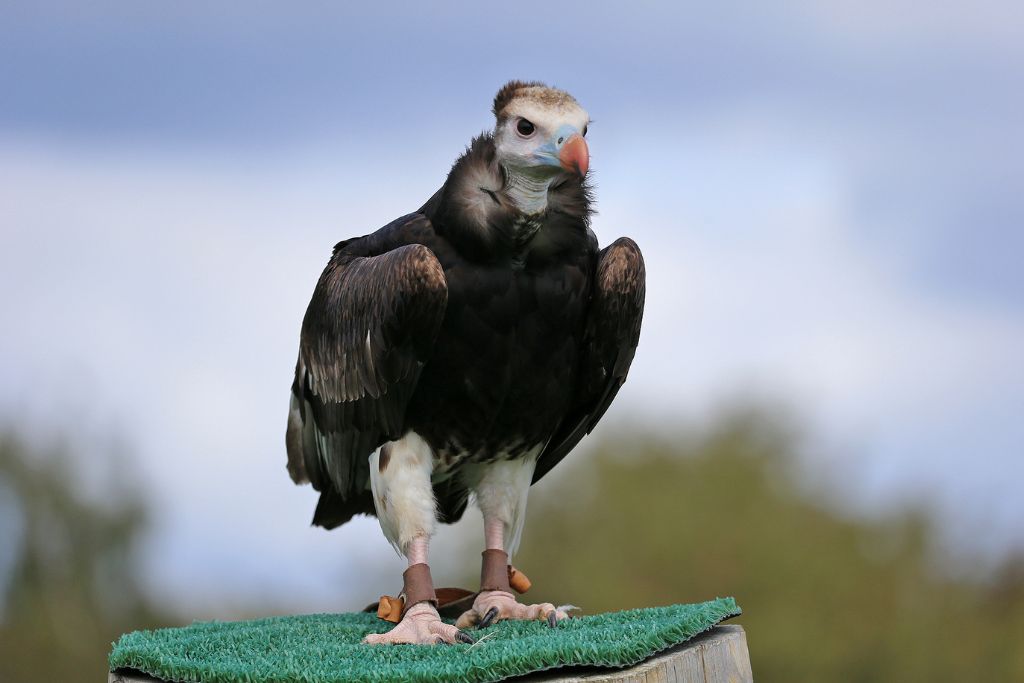
Norbert found the confidence and began, with some assistance from his “dad”, exhibiting behaviours such as pushing the much larger White-headed Vultures (who they share the aviary with) away from the food, making himself seem larger with calls and widening his wings. It was an exciting example of how vultures can go from caring individuals to typically bold characters that enable them to survive. It was really a unique experience to share with others.

Experience days offer the rare opportunity to slow down and really observe the birds. Standing just metres away from an owl as it glides silently overhead, or watching a hawk lock onto its next perch, allows people to notice behaviours that might otherwise go unseen. Those close encounters naturally lead to conversations about the adaptations that make birds of prey such successful hunters and the work that helps conserve them.

It’s often these quieter moments, rather than the spectacular flights alone, that leave the greatest impression. They create a connection that extends far beyond the experience itself. When people connect with wildlife, they begin to care about its future, and if someone leaves with a deeper appreciation for birds of prey and a greater understanding of why their conservation matters, then we’ve achieved something incredibly special. It is truly one of my favourite parts of getting to work with these birds and the Trust”.
A little bit of chirping at Global BirdFair 2026!

Posted on: by

As ever, July brought with it Global BirdFair, and we went along, joining thousands of fellow bird enthusiasts to celebrate and discuss all things birds!

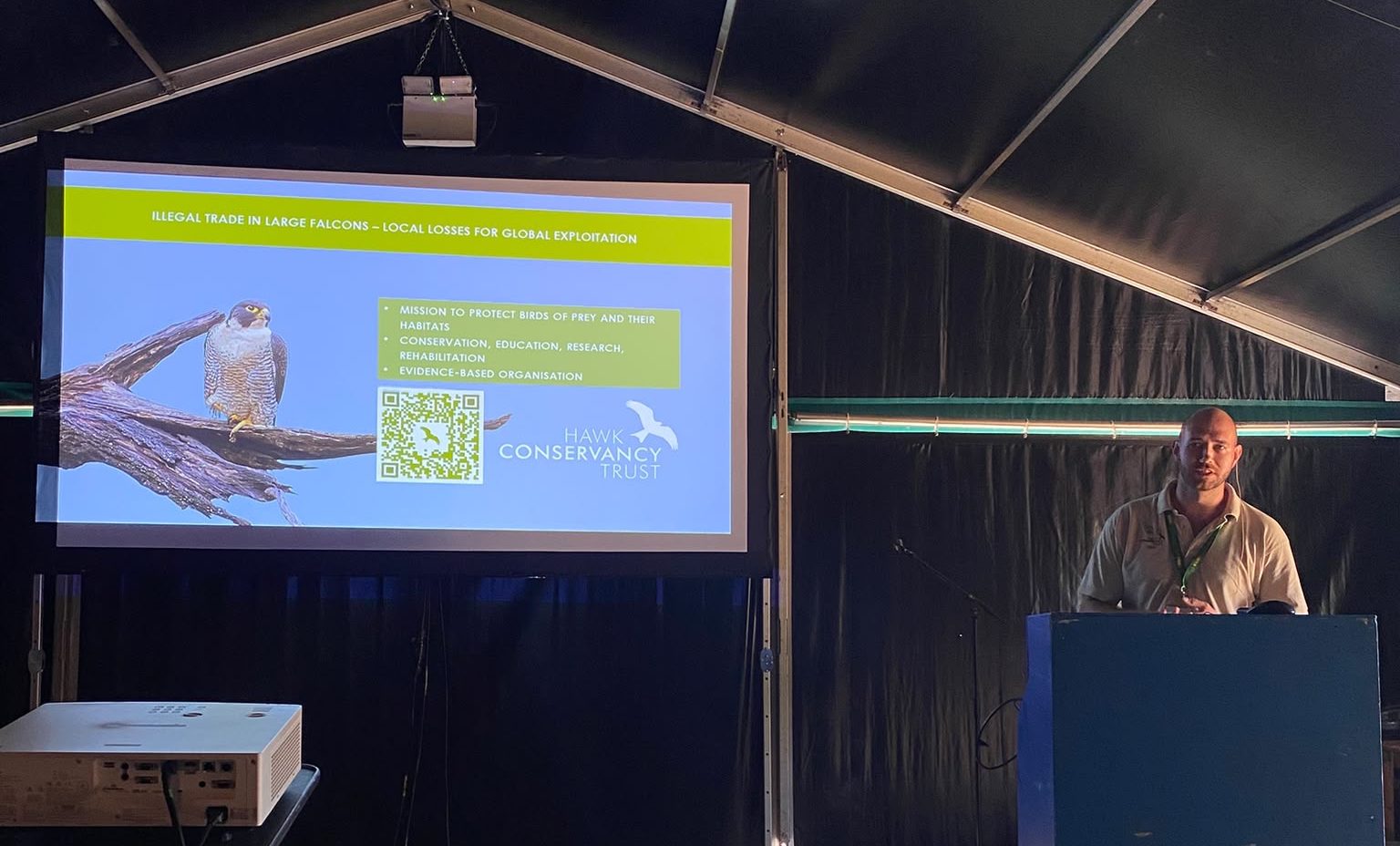
As an international bird of prey conservation charity, we couldn’t miss the opportunity to share the work we’re doing around the world. Our Conservation and Research Coordinator, Dr Jamie McKaughan, gave two talks over the weekend. The first highlighted the status of vultures in Pakistan and the conservation challenges they face, reflecting on nearly 30 years of our work in the country. The second explored the challenges falcon conservation faces from the illegal wildlife trade, drawing on our recent publication on digital trade (watch this space for more on that!).

We caught up with Jamie when he was back…

“It was great being back at Global BirdFair this year. One of the best things about BirdFair is catching up with friends from around the country, and sometimes the world, and often making new friends there too – the joy of being surrounded by so many like-minded individuals with similar passions can be infectious. It was also great to catch some members of the Trust there again, whose support of the Trust generally, but also attendance at my talks and the live podcast episode we recorded was greatly appreciated as always!

Jamie talking at Global BirdFair 2026

Catching up with others is not just good for the soul in a conservation world that can be disheartening if you think about it too long, but it also gives an opportunity to check in with the bigger picture. Last year for example, everyone I spoke to in the proverbial raptor nest box game(!) was experiencing terrible nesting numbers and success rates countrywide. While that was not a positive for the species we are striving to conserve – it is valuable information and context when it comes to these types of occasions and trends, and allows us to broaden our questions or considerations to reasons beyond the borders of our own study areas. Thankfully this year, that scenario has been turned on its head and cavity nesting birds of prey appear to be doing extremely well in many parts of the country, so long may that continue!

This year we were lucky to have colleagues from SAVE (Saving Asian Vultures from Extinction) at the event, some of which had travelled from India to be there, so it was really great to see them and catch up with them in person. Having long been part of the SAVE consortium to help conserve and recover vultures across South Asia, it is great to have such opportunities to touch base in person with some fellow vulture lovers! It was especially well-timed too, given my talk on day one was on the progress and challenges of vulture conservation in Pakistan!

On that topic, BirdFair also provides a great opportunity to talk about the conservation work we are doing to an audience that we may not always reach. We do a good job of communicating our work to our members and visitors, but it can be more difficult to share those stories more widely with people who may be less familiar with who we are and the impact of our work. We often let the work speak for itself, but events like BirdFair give us the chance to showcase the longevity of our commitment to what we do and the difference our conservation efforts are making.  It also helps to raise awareness of the challenges and successes across the countries and species we work with, and engage with people who could become future supporters, partners or advocates for birds of prey and our conservation work. Ultimately, broadening that awareness helps strengthen support for our conservation ambitions and enables us to achieve even more for birds of prey in the years ahead.”

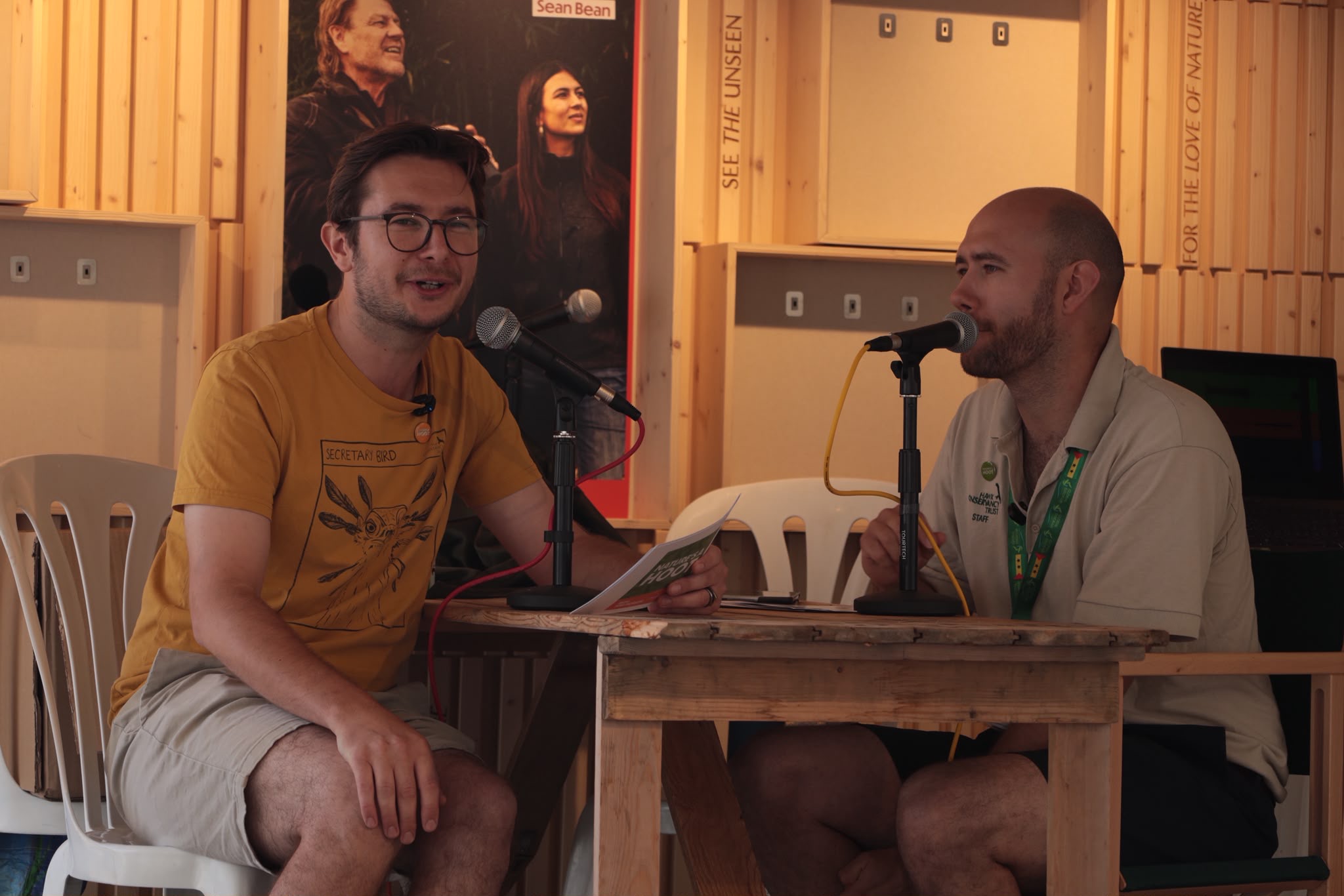
Jamie also joined Tom Morath, host of the Hawk Conservancy Trust’s Nature’s a Hoot podcast, for a live episode in front of an audience of fellow bird lovers drawing in the audience with some myth-busting fun and games!

Nature’s a Hoot live from Global BirdFair 2026

“As part of the myth busting, we talked about owl eye colour, bird of prey vision and the nuances of some long-spoken myths! For example, it is likely that many hawks have similar vision to ours, but also some are very different to us and to each other, like Harris’ Hawks, Red-tailed Hawks and Cooper’s Hawks, that vary in their visual acuity despite all being hawks – being hawk-eyed means different things depending on the hawk! Meanwhile, a similarly nuanced topic is owl eye colour, myths of which we also busted… to a degree anyway! For more on that, check out our recent blog too. We at least had one thing that was more categorical – Kestrels hunting voles using the UV light reflected from their urine… debunked pretty robustly by a study in 2013, and supported by several other studies since – but I will let you catch the full explanation of that, along with all the other podcast fun I had with Tom, in the Live at Global BirdFair podcast episode coming soon!”


Small Mammal and British Raptor Project Updates

Posted on: by

Some readers might be aware that 2025 was a very poor year for cavity-nesting birds of prey such as Barn Owl, Tawny Owl, and Kestrels. Only 132 young birds were ringed from project boxes in 2025, which is considerably lower than in previous years. 2013 was the last time we recorded as few in the nest boxes. A lack of small mammal prey is one of the likely reasons for the poor season, along with unfavourable weather conditions. The Small Mammal Project, a project within the British Raptor Programme, focuses on monitoring abundance and diversity of small mammal species in the local area to the Trust that overlap with locations of our nest boxes. In 2025, only after six weeks of surveying did we find the first Field Vole of the year! Field Voles, also known as Short-tailed voles are one of the primary prey species for Kestrels. The low capture rate across the Small Mammal Project combined with poor reports from the nest boxes raised alarm bells. This year, however, things have bounced back and the nest box monitoring has felt busier than ever.

General observations from the wider Raptor Nest Box Project in 2026 include birds nesting earlier in the season and larger clutch sizes; a record of 9 eggs were found in a Barn Owl box this Spring! It has been a welcome change to the previous year when we had just over 10 confirmed Barn Owl fledglings in total. As of the end of June, we have already ringed more than 250 Kestrels, 200 Barn Owls and 100 Tawny Owls across our project area. This surpasses the 2025 total of 132 quite considerably and given the early nesting of Barn Owls this year, there is even a possibility of second nesting attempts later in the year. The Small Mammal Project has also been reflecting the success from the boxes, with 37 field voles being caught in six weeks of surveying and 150 captures of a variety of small mammal species to date.

Other positive news includes achieving our target fundraiser back in 2025; ‘£60k for Kestrels’. Thank you! As a result of the many generous donations, the Conservation and Research Department bought several GPS tags for Kestrels. These solar-powered GPS tags can record fine-scale movements of these birds over the course of the breeding season. This is key for understanding what habitats they use, how far they travel from the nest box and how frequently they provision to their chicks. This year, we have successfully fitted four Kestrels with these tags in the Hampshire area; two females and two males. This project is ‘growing wings’, and we hope to deploy a few more of these tags in 2027 and see what data we can retrieve from the birds tagged this year.

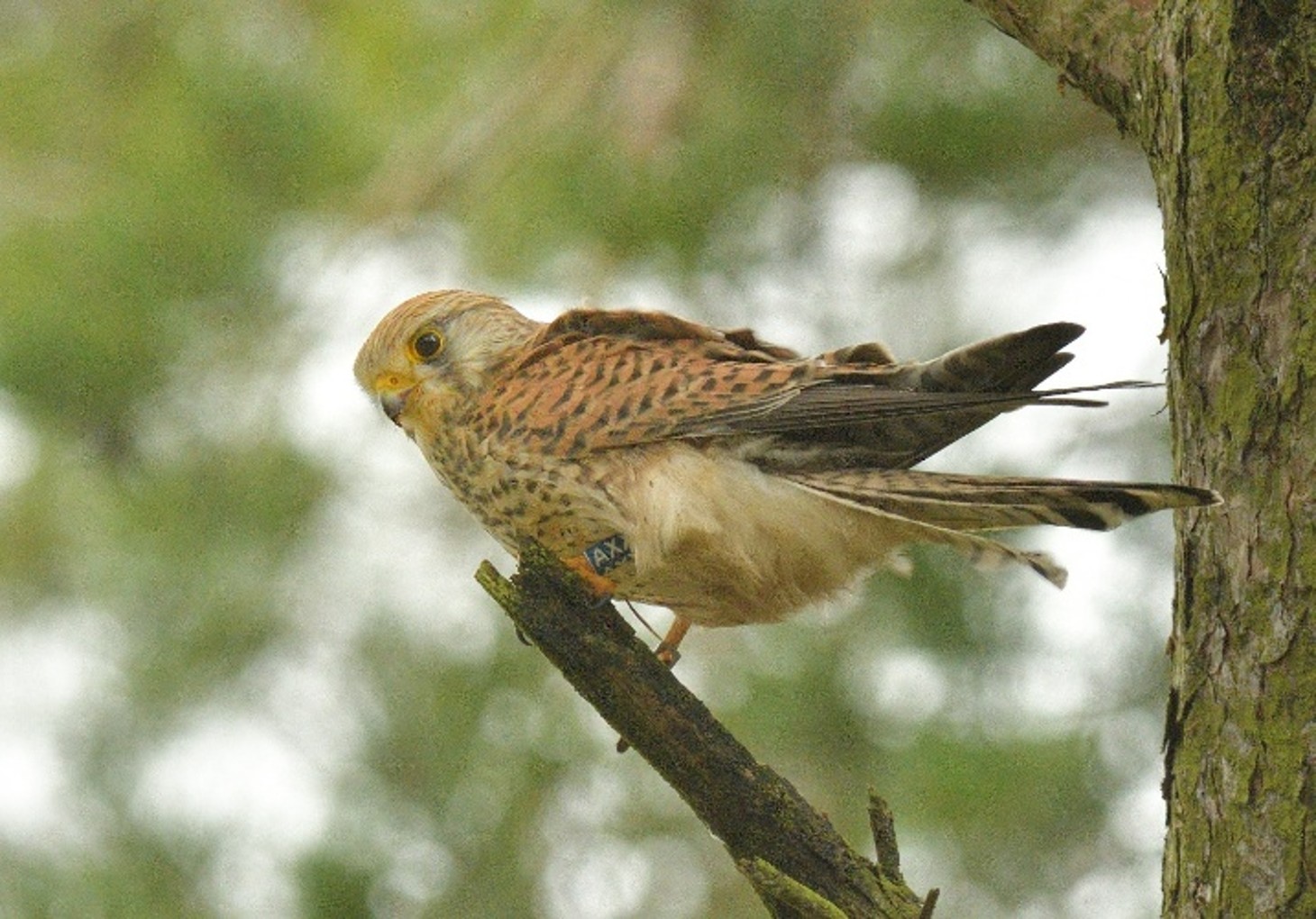
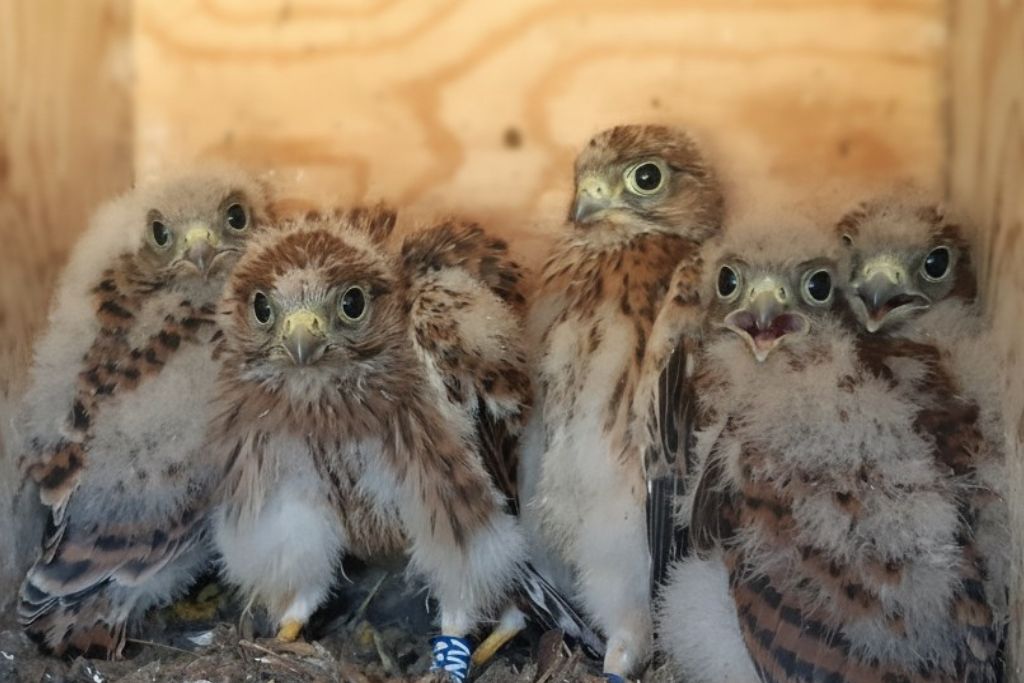
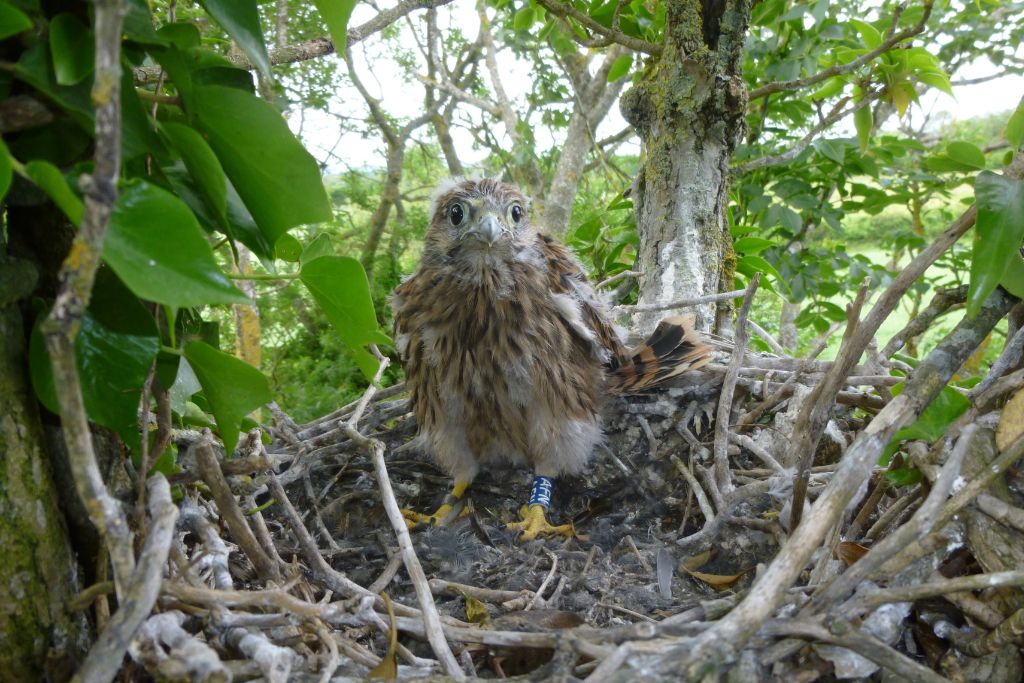
With the increased productivity of the nest boxes, 2026 has been a ‘record year’ for the Kestrel Colour Ring Project. Under a BTO licence, Dr Matt Stevens has been fitting these rings as part of the British Raptor Programme since 2015. With a previous record of 140 kestrel colour rings in a season, over 200 colour rings have been used in 2026 already, with more expected. Quite the year for Kestrels! These rings are bright blue and marked with a white unique code variation; i.e. “A H 7”. The codes can be read at distance with binoculars or telescopes and reported back to us

If you notice a colour ring on a Kestrel, please let us know by emailing Matt@hawkconservancy.org with the location, date and time you spotted the bird. If you can take a photo of the Kestrel with the tag, that would be ideal, but we know this is easier said than done! This information is incredibly valuable and helps us to understand more about the movements and dispersal of Kestrel fledglings from our boxes.

Finally, we couldn’t do all the in-depth monitoring work for Kestrels without the nest boxes. An expansion to our group of dedicated and hardworking nest box Volunteers in late 2025 has meant that over 130 new boxes have been built for the British Raptor Programme. This new nest box building team has been a fantastic addition to the Conservation and Research Department; their time and skills have helped us to build up a good stock of boxes in preparation for replacing damaged or worn nest boxes, installing new boxes in the Autumn of 2026 and will set us up to provide even more for Kestrels in 2027!

Spreading our wings in the north

Posted on: by

We are delighted to embark on a new conservation partnership between the Hawk Conservancy Trust and Kynren – The Storied Lands.  The partnership will support the development of conservation and research work focused on birds of prey across the North East of England, expanding knowledge about bird of prey populations in the region and contributing to wider national research efforts.

The same methodologies used for the Trust’s Raptor Nest Box Project (RNBP) and Raptor Survey Project will be applied to the project in the North East. Field surveys, habitat analysis and a variety of other conservation monitoring approaches will be used to help strengthen the understanding of status of birds of prey populations in northern England. Centred on County Durham and surrounding areas, the project will be developed in collaboration with other organisations and interested parties to complement ongoing ornithological research in the North East.


By bringing together data, observations and expertise from a range of sources, the project with Kynren hopes to operate on a larger scale than previously seen, building a clearer picture of how bird of prey populations are faring and identifying opportunities to support their long-term conservation.

A central focus will be the Kestrel, one of Britain’s most recognisable birds of prey that is now Amber listed as a species of conservation concern, with populations declining in many areas of the UK for reasons that are not yet fully understood.

The Trust’s long-term Kestrel research programme in southern England, has been running for more than a decade to investigate these trends and through the new partnership, similar research will begin in the North of England, allowing findings from different parts of the country to be compared and contribute valuable information to the national picture.

Dr Matt Stevens, British Projects Manager at the Trust, is working closely with staff from Kynren who will work alongside volunteers to play an important role in the programme.  This will create new opportunities for people with an interest in wildlife and conservation to become directly involved in research and fieldwork.

Kynren – The Storied Lands opens this summer in Bishop Auckland, County Durham as the UK’s first live-action daytime park, featuring five spectacular shows and immersive experiences inspired by history, myth and legend. Set within the wider park, The Lost Feather sees more than 250 birds take to the skies in an awe-inspiring story of flight and conservation.

Penny Smout, CEO of the Hawk Conservancy Trust, said: “We are pleased to be working with Kynren and The Lost Feather to extend our research and conservation efforts into another part of the country.

“Partnerships like this help build knowledge over time and encourage people to engage with the conservation of birds of prey in their own communities.”

Jimmy Robinson, Curator of Birds and Conservation at The Lost Feather, said: “This partnership gives us the opportunity to contribute to the wider understanding of birds of prey in the North East while working alongside other organisations and individuals who already care deeply about these species.

“By sharing data, experience and expertise we can help strengthen the evidence base th  at supports long term conservation.” As well as Kestrels, the nest box programme will also support Barn Owls, Tawny Owls and Little Owls. The aim being to increase the nesting opportunities for these species across a landscape where the availability of natural cavities and other traditional nest sites may have declined.  Data generated from the Raptor Survey Project will help us to identify the current status of raptor species across the North East and help in targeting future conservation actions.

The research programme will begin this year and is intended to develop over the coming years as further partnerships, volunteers and research opportunities emerge.

A powerful impression

Posted on: by

Africa update for July 2026

At the end of May and into June, our Conservation and Research Coordinator, Dr Jamie McKaughan, spent several weeks visiting two of our field sites in South Africa. Once he got back to the Trust later in June, we caught up with him to find out all about his trip.

“It was so great to be back in South Africa! I only realised as I was getting on the plane at Heathrow, that I was returning six years to the day that I had last left South Africa (after living and working there for several years right up in the north of Limpopo Province). While I wouldn’t be returning to where I had been before, it left me with a small smile as I reflected on another one of life’s small coincidental quirks as I embarked on my trip to places new.

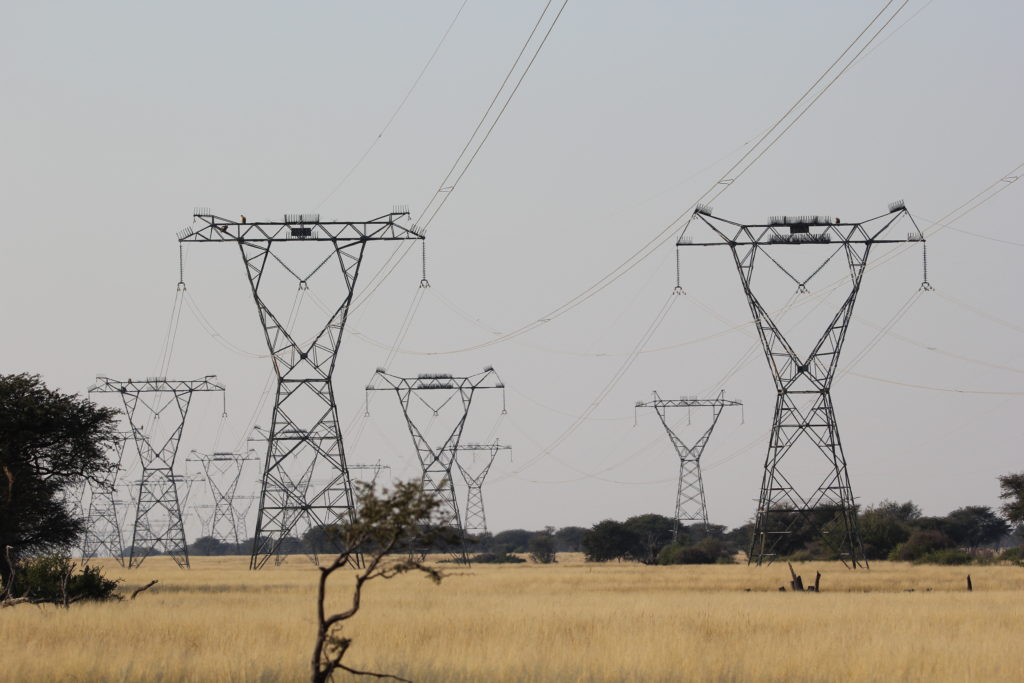
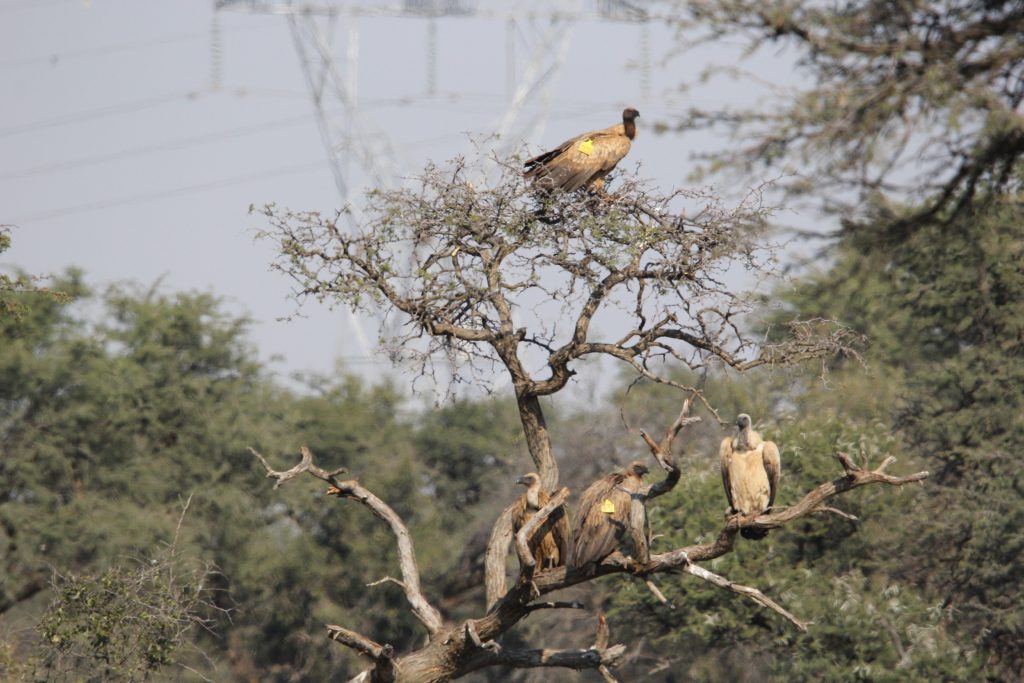
The first part of the trip was to the Kimberley area, where I linked up with our African Projects Manager, André Botha, and local ornithologist Angus Anthony, whose work has long been supported by the Trust. Angus had been collecting data in the area since 1993, and his wealth of knowledge and experience is incredible. We spent a few days in the field collecting data on signs of nesting by African White-backed Vultures and resighting previously tagged birds to track returning individuals to the area and perhaps to specific nests too! Angus introduced me to several people that we have worked with closely over the decades of our involvement in the Kimberley area and also showed me around the area, taking me to different properties he surveys nests on, various different individual nest sites, feeding locations, and the ever-present looming scars of man littering the skyline of the Kimberley area – the energy infrastructure of huge pylons and trains of powerlines long into the distance.


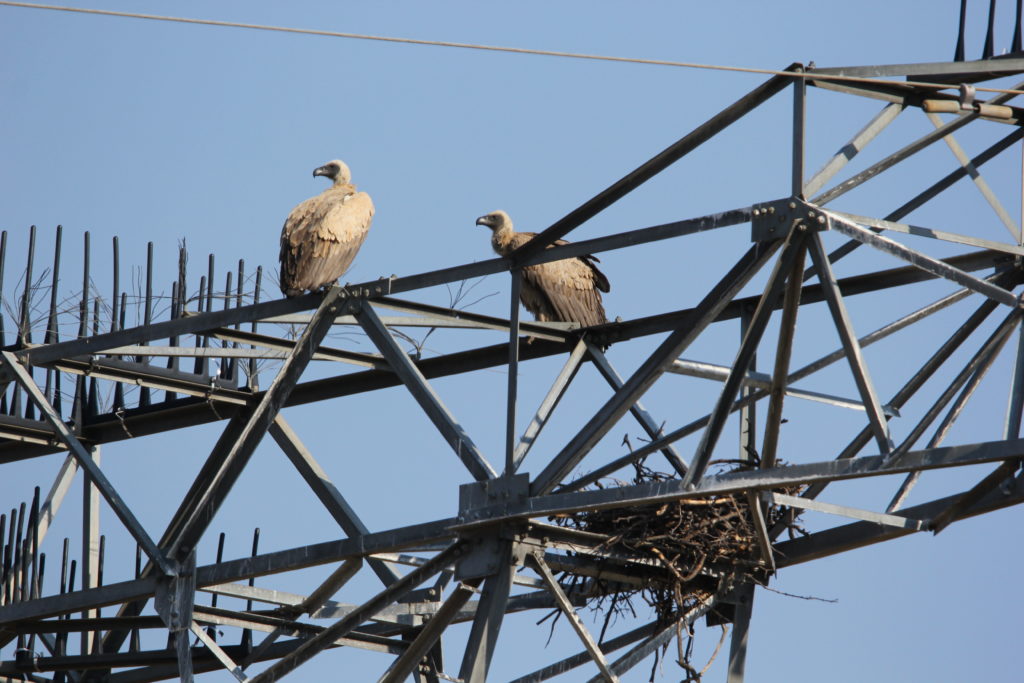
It was a wonder how these vultures could make such large-scale use of the area with such hazards stretching far and wide and of course… high. Angus was a fountain of knowledge and picking his brain on all sorts about these incredible birds, this amazing landscape and just all his life and career stories so far was very enjoyable. It was not a landscape I had seen before – a semiarid transitional mix with savanna, grassland, Kalahari Thornveld and Nama Karoo biomes intersecting, while the properties themselves straddle two provinces – the Northern Cape and the Freestate. And then, as I touched on already… the powerlines. They’re virtually inescapable – visible in almost every direction you look. What was also incredible to see were these vultures making use of these pylons for nesting. I saw a few of them, and it was a scene that gave me a mix of thoughts and emotions… firstly, just how much we impact this world for the worse in so many different ways; secondly, the incredible adaptability of nature to try and make the best of it when we continue to make it harder and harder for species to survive (although notable to say that it is not without increased risks – I wouldn’t fancy the consequences of the voltage that one small wrong step or wing placement could bring); and thirdly, I couldn’t really draw my eyes or mind away from what I still find quite hard to describe now – a kind of almost sombre beauty of these majestic birds perched on this industrial metal scene across the skyline… quite depressingly remarkable.


Having come from a large terrestrial carnivore background, I also found the ecosystem of the Kimberley area very interesting. While we were out and about, we followed a huge kettle of vultures in the sky and sadly found a Giraffe carcass that appeared to have died of natural causes – perhaps falling victim to one of their powerful mating battles. The carcass had drawn in huge numbers of vultures, including a Lappet-faced Vulture and several Cape Vultures, along with the masses of White-backed Vultures and the seemingly compulsory presence of Pied Crows too. Such occasion can provide a great opportunity to resight many tagged individuals in a short amount of time – incredibly valuable data. Regardless, the reason I mention it, is that despite the huge numbers of vultures in the area and at the Giraffe carcass, they had hardly eaten any of it – ultimately a reflection of the environment they inhabit here. Some animals have too thick a skin for the vultures to penetrate with their beaks – even the Lappets, despite the common quip that they are needed to open up a carcass for other vultures, this just isn’t the case. What it is reflective of however, is the lack of terrestrial carnivores in the area – I found this element really fascinating. This huge carcass was there and available as a food source, but they were unable to access so much of it without the strong jaws of some mammals first tearing it open for them… the interweaving of relationships between species in nature front and centre – incredible. We lent a helping hand for the vultures, creating some openings, and within a couple of days the carcass was cleared to a skeleton, quite the contrast.

Next it was time to travel overland with André (a two-day drive!), east to Kruger National Park, where our Lappet-faced Vulture nesting tree project is underway, spending a further week carrying out fieldwork and meeting a few different people we have worked with in the area, including Martin – a game ranger in the park who has long assisted Campbell, in his time off duty, with monitoring some of the vulture nest trees, including some of the very few Lappet-faced Vulture nest trees. The landscape was quite the contrast, with instead of the pylons and powerlines being the most noticeable thing, the lack of trees but also, of the trees that were present, just how many of them were stripped of branches or torn down and lying on the floor from elephants foraging was the overwhelming vision! The landscape of Kruger differs markedly from that of Kimberley anyway – although being such a large park, naturally has some variation – but even so, it felt quite bleak in a way.

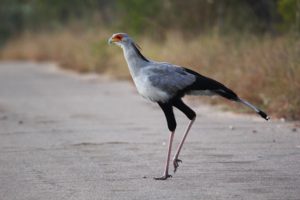
Due to the accessibility issues still impacting Kruger following the devastating flooding faced earlier in the year– it made it in some ways, hard to grasp the positivity of our efforts so far and plans for more. Nonetheless, observing some African White-backed Vultures on nests and also through the binoculars some Lappet-faced Vultures on some other trees felt positive, and renewed my enthusiasm for the worthwhileness of our cause in spite of their declining numbers and the numerous challenges these birds face. I was also very lucky to get a few other enjoyable spots – with a couple of vulture feeding frenzies, a Secretary Bird stamping through the long grasses, and nesting Bataleurs and Verreaux’s Eagle Owls some major highlights!


These sightings were particularly pleasing given the huge amount of flooding Kruger had and the general disruption and chaos this might have caused… Although perhaps, it was us who felt the impacts of the weather more than the animals – here’s hoping eh?!

Now that I am back, I am very much looking forward to further discussions with André and Angus on proceeding with various different plans we discussed while I was in South Africa – there are exciting times ahead, and hopefully these can have some really tangible outputs in our mission to conserve these awesome birds and their habitats.”

New Owl calls the Trust home

Posted on: by

It is always an exciting moment when a new bird arrives to live with us here at the Trust. Very often, a bird will arrive here as a partner for another bird as part of conservation breeding programmes or, at the very least, they are a species that we’ve cared for here before. From time to time though, we get the opportunity to work with not only a brand new individual but a completely new species to us.

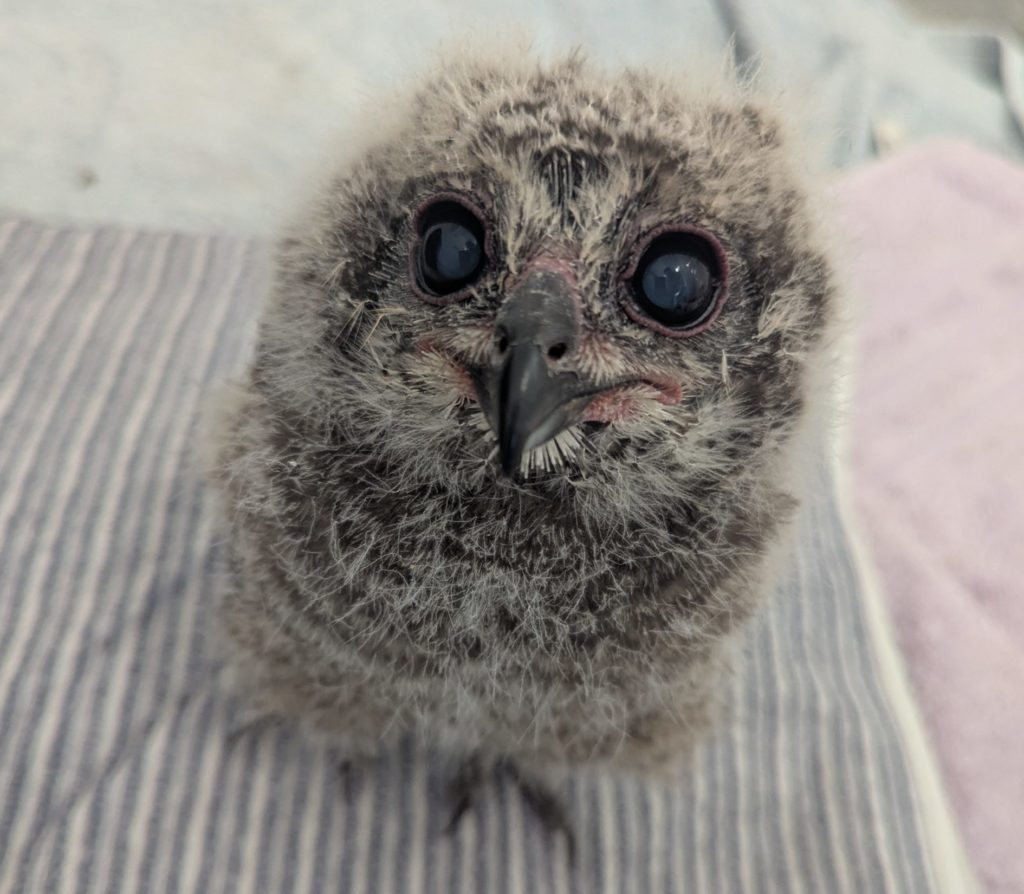
At the end of June, the Bird Team excitedly welcomed a young Greyish Eagle-Owl who it is hoped will become a part of the Wings of Africa display and take a starring role in some of our special evening events and experiences.


This is a species that you may have never heard of before so let me give you a bit of background. The Greyish Eagle-Owl (also known as a Vermiculated Eagle-Owl – a more inspiring name in my book!) is a sub-Saharan species of owl that preys upon small mammals, reptiles and large insects – typically hunting them from a still perch. They have even been seen waiting at cave entrances for bats to emerge before hunting them on the wing and catching them mid-flight!

Once grown, this little one’s feathers will be (unsurprisingly) grey-ish with lots of beautiful markings, allowing them to camouflage perfectly within their habitat around cliffs, caves or against the bark of a tree. This is something I can’t wait to see come to life against the bark of the tree now installed in our Savannah Arena which also doubles as a vulture nesting tree as part of the show.

At the moment, the name of the game for this youngster is ‘growing, growing and more growing’! Even in the short time this owl has been with us, they have grown massively – from around 260g to over 350g. Like so many birds of prey they have a fast growth rate that needs to be backed up with a ready and regular supply of food. Incredibly, by the time this owl reaches just 10 weeks old most of the growing will be done. As a member of the team who lives here on-site, it makes perfect sense that the job of round the clock feeds – early in the morning and late into the evening – fell to me. To be the first person to care for this little bird before they become a full member of our flying team later in the year is an honour. Senior Bird Team Member, Ryan, is planned to take over once training begins and what a treat he has in store.

You may have noticed that I’ve not mentioned this bird by sex – at the moment that is an unknown. As they grow, we’ll likely find out as females are bigger than the males. I’ve also not mentioned a name. That’s also an unknown – look out for us asking you for help with naming this youngster on our social media channels very soon!

I, for one cannot wait to see how this little bird grows and eagerly await the first display ever at the Hawk Conservancy Trust to feature a Greyish Eagle-Owl. In the meantime come and see, you may be lucky enough to spot him or her in one of the aviaries as they settle in, if you visit us over the coming weeks.

The brains behind the operation: Sirius & Flo

Posted on: by

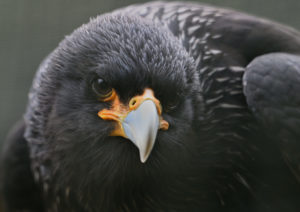
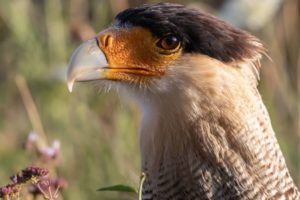
Bird Team Member and Head of Lower Section, Katy Barnes, shares her Caracara update with us:

Our Striated Caracara: Sirius and our Crested Caracara: Flo, have both moved aviaries recently. They are now near to our Savannah Arena so as Head of Lower Section of the Trust, means that I now get the pleasure of looking after them on a daily basis.

It’s been very exciting to get my own little Caracara corner of the Trust; I adore working with both species, getting to see their amazing intelligence and abundance of character.  With both of these species being big problem solvers in the wild, it’s very important that we provide them plenty of enrichment opportunities.

Enrichment can be anything we add into our birds’ lives that stimulates cognitive engagement, wellbeing, physical health and encourages natural behaviour. An enrichment example are the flying routines in our demonstrations.

We want our birds to have an engaging life both in and out of their aviary, so when they’re not flying it’s a chance to focus in their aviary on enrichment that engages their different senses or more in depth, tricky problem solving.

Caracaras tend to be confident and curious birds, Sirius and Flo are both wonderful examples of this. These traits make it easy to introduce a large variety of enrichment to them quickly, both have enjoyed things such as puzzle feeders, eggs to crack open, Kongs with insects inside, a ball pit and even a custom made kerplunk style feeder that both swiftly figured out how to ‘solve’ (break) in unique ways!

Sometimes though, you can’t beat a classic. Despite the variety of things we have offered them, both birds are still very fond of a cardboard box filled with newspaper, cardboard tubes and egg cartons sometimes with the occasional hidden treat. In either case, give them an hour and you’ll come back to an aviary full of confetti! Sirius loves to display his shredded newspaper in every corner of his home while Flo prefers to take egg cartons and create a pile of finely shredded cardboard.

It’s an absolute joy to see their personalities shine through in these activities and if you’d like to see it for yourself keep an eye out when visiting or you may get a chance to see it during our species spotlight.

Samik’s Marion Paviour Award Update – Stepping in the right direction

Posted on: by

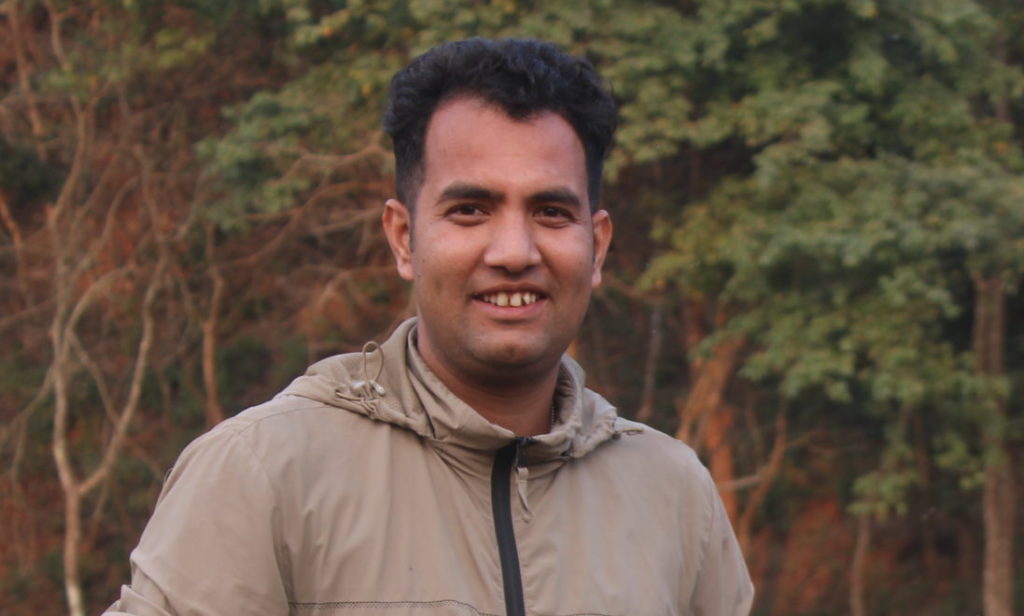
Our 2025 Marion Paviour Award winner, Samik Bista, has been making some great progress with his project.

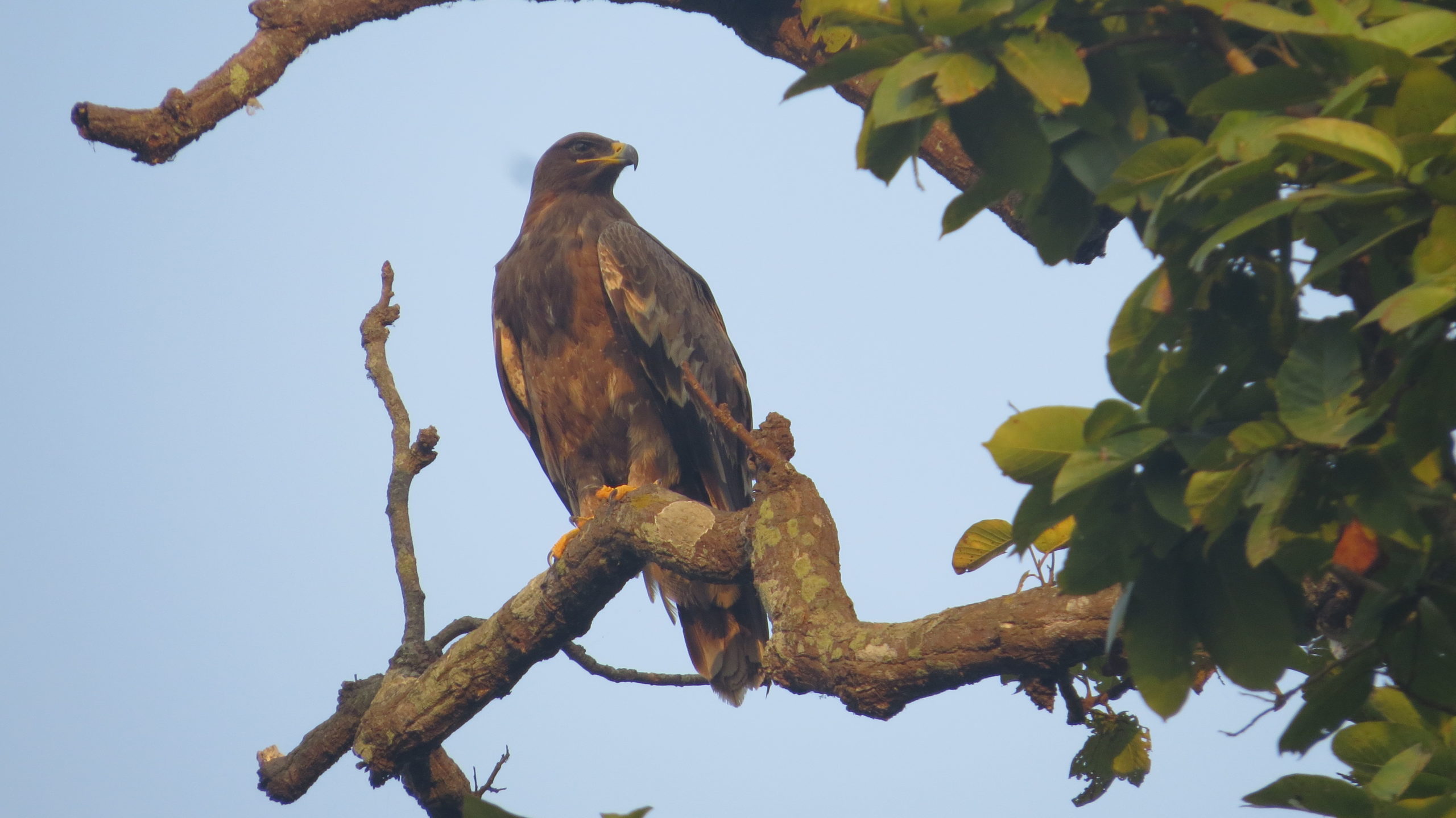
Samik’s project seeks to address critical knowledge gaps about Steppe Eagles in Nepal. Steppe Eagles are listed as Endangered on the IUCN Red List of Threatened Species. They are a wide-ranging migratory species and face a high risk of decline, primarily driven by the loss of steppe habitat, compounded by poisoning, persecution and power line collisions. Despite regular winter sightings in Hetauda, Nepal, very little is known about what habitat they are using and what local threats they face. By undertaking field surveys in the area around Hetauda, he hopes to evaluate the species’ current status including its distribution, habitat preferences, and the threats it continues to face. Samik’s project will also implement targeted conservation awareness programmes to engage local communities and stakeholders, encouraging a shared commitment to protecting Steppe Eagles and the habitats they depend on.

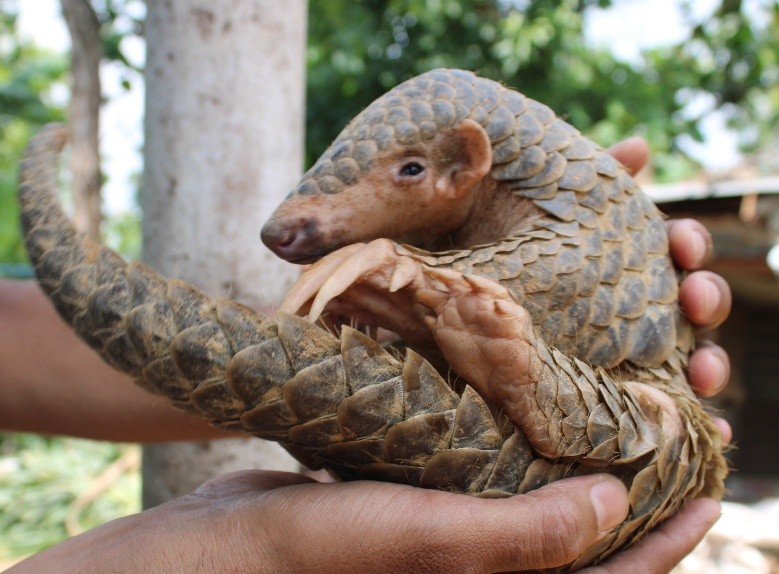
So far, Samik’s project has supported and collaborated closely with the International Forestry Students’ Association (IFSA) Hetauda, to conduct the IFSA Hetauda Cultural Night, along with three days of exhibitions, quizzes, and capacity-building activities. The program also included a Youth Parliamentary Model discussion session focused on ecosystem and biodiversity conservation. Overall, this collaboration connected and engaged more than 150 forestry university students – a really encouraging number! Some of Samik’s community work even included a pangolin rescue. As pangolins are also highly threatened by the illegal wildlife trade, it is encouraging to see local residents taking an active role in protecting these species as well.

Since then, Samik has also recently completed the main phase of data collection and monitoring for the project. This involved systematic field surveys focused on Steppe Eagle observations, habitat use, and distribution within the study area. Alongside this, Samik and his team also conducted monitoring unit training with local participants and team members to improve their knowledge and enhance the capacity and reliability of data collection from local fieldworkers through standardised data collection methods. The training has helped ensure consistency in the observation techniques used, recording procedures, and basic field monitoring protocols – ultimately ensuring more robust and reliable data too!

Having completed the intensive data collection phase, Samik now plans to return to more engagement-focused and capacity-building activities through a variety of conservation campaigns. These efforts will help underpin the long-term sustainability of the project and support its ability to achieve his key objectives – improving understanding of Steppe Eagle populations in the region, increasing public awareness, reducing the key threats they face, and strengthening long-term conservation efforts for this endangered predator.

We are excited to see how Samik progresses with the remainder of his project and are pleased to be contributing to this important work to help these Endangered eagles.


Will romance flourish for Mamba, our White-headed Vulture?

Posted on: by

Ryan Stephens, Senior member of the Bird Team at the Hawk Conservancy Trust, has been the lucky chap working most closely with Mamba recently, one of our very impressive White-headed Vultures. Ryan reflects on how things have been going lately, as she reaches a poignant stage in her life. Mamba celebrated her 8th birthday with us this year, which means that she arrived at the point in her life where we would like to explore potential breeding opportunities for her. Listed as a Critically Endangered species under the IUCN (International Union for Conservation of Nature), the preservation of this species within the zoological community is vital work we are a part of.

Mamba belongs to the EAZA Ex-Situ Breeding Programme (EEP), this a programme which manages species across EAZA organisations (European Association of Zoos and Aquaria), maximising breeding success and sharing vital knowledge between its participants. Whilst this may seem like a dating agency for birds, it is a highly organised, thorough and important programme that connects organisations to maintain a healthy population, when their counterparts in the wild are facing increasing threats to their status.

As part of this programme, for the past few years Mamba has been paired up with a Male named Arthur. The pair got on relatively well, but it was clear that it was not a budding romance; this may have been because of Arthur’s age (he is an elderly gentleman). So, Arthur has now joined an older female at another EEP participating zoo, and our plan is to plant the seeds of romance between Mamba and one of our home-grown boys, Ravenclaw. Both Mamba and Ravenclaw are roughly the same age, he is a touch more confident than Arthur and he has a little more energy for the job to keep up with his potential younger partner.

After many years of breeding success with vultures at the Trust, we have found one of the best ways to build a relationship between individual birds is for them to fly side by side during our demonstrations. Mamba is now becoming a regular sight in our ‘Masters of the Sky’ demonstration where she is learning the ropes and building confidence alongside Ravenclaw. We believe that we may be witnessing the ‘Milk Tray’ stage of the relationship beginning to unfold; tentative glances, quiet moments, and a growing awareness of one another. All being well, 2026 will be the year their bond truly develops — not just side by side, but in flight. There is something truly magical about seeing a partnership form in the air, and we are hopeful that visitors may get to see this romance unfolding before their eyes.


With our established breeding pairs of White-headed Vultures now starting to get on a little in years, it is really exciting to start introducing a new generation into the team. Our birds Mamba and Ravenclaw were both born here at the Trust, so it will be a truly magical moment if we get to see this pair carry the torch for the next generation. Book your next visit to the Trust to see Mamba fly in our Masters of the Sky demonstration.

Things are looking up for nest box numbers compared to last year

Posted on: by

Last year was a tough one for the species in our Raptor Nest Box Project – Barn Owls, Tawny Owls, Little Owls and Kestrels. The nesting and fledgling numbers were some of the lowest we have recorded since 2013. A mix of factors contributed to this, including a lack of prey – something we also saw reflected in our small mammal surveys last year. All in all, it left us with some very low fledging numbers, with last year’s minimum numbers of fledglings compared to 2024’s minimum numbers below for comparison… quite stark!

Species 2025 2024
Barn Owl 12 340
Tawny Owl 2 66
Little Owl 6 7
Kestrel 122 220

Thankfully, things are looking a whole lot brighter so far this year!

This time of year is a very busy period for our Conservation and Research department, and in particular our British Projects Manager, Dr Matt Stevens who will be getting to as many boxes as possible over the coming months. With over 1600 nest boxes in our Raptor Nest Box Project network, that mostly fall in a core area of about 4,500Km2, (although we have many placed outside that area too), there is a lot to do. In addition, to monitor these boxes properly often requires multiple visits to the same nest boxes and it means there are a lot of checks to do and a lot of miles to cover for Matt!

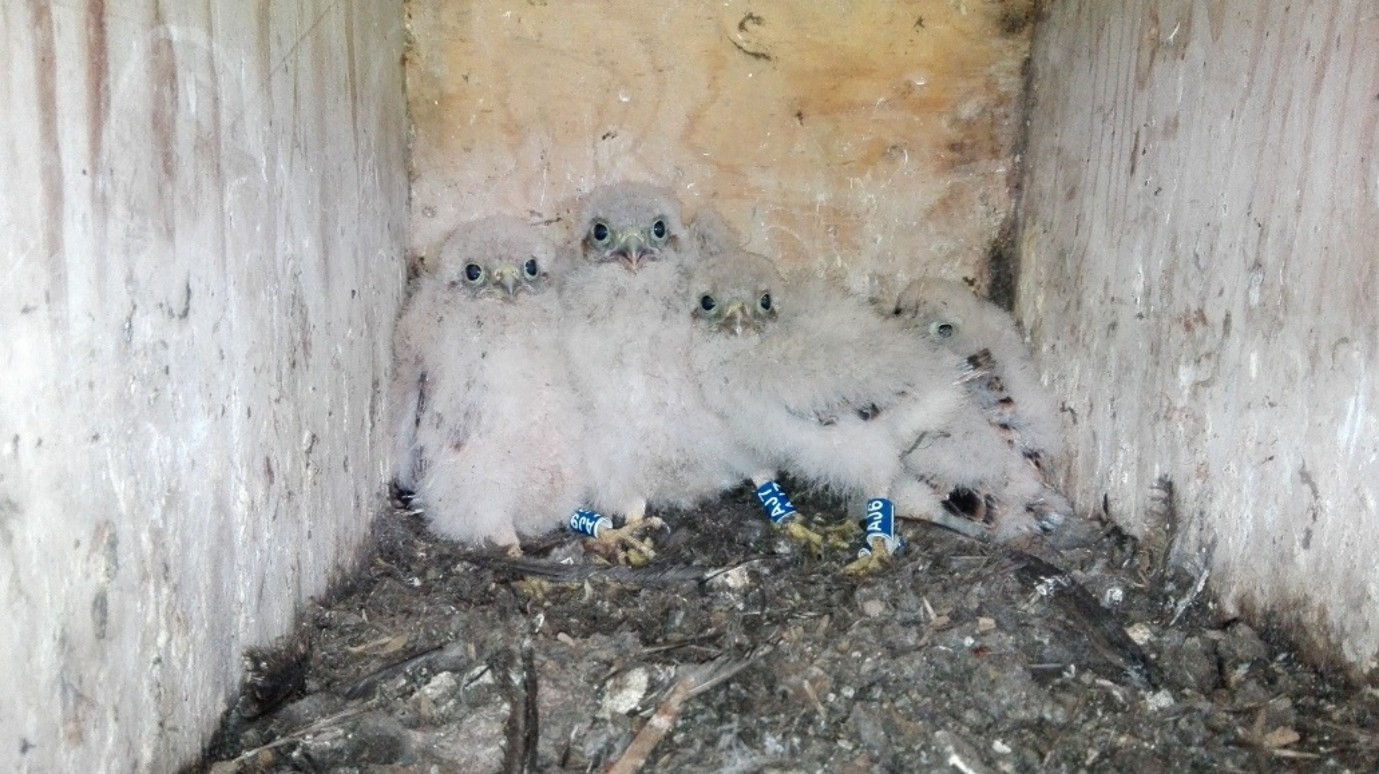
Monitoring can involve several visits to the same nest boxes if they are in use – an early season check to see if there is nesting activity, if so a further check to see if eggs have been successfully laid and hatched depending on timings, and finally another just before chicks are estimated to be fledging. At this last check Matt will check the growth and health of the chicks, taking some measurements for this and then ringing the chicks too. Ringing the birds helps us to identify individual birds from their unique lightweight metal rings, which then helps to track movements and their survival or lifespan. This contributes useful data to help us understand population changes, breeding success, how birds respond to environmental changes and challenges, essentially all helping us to better conserve them.

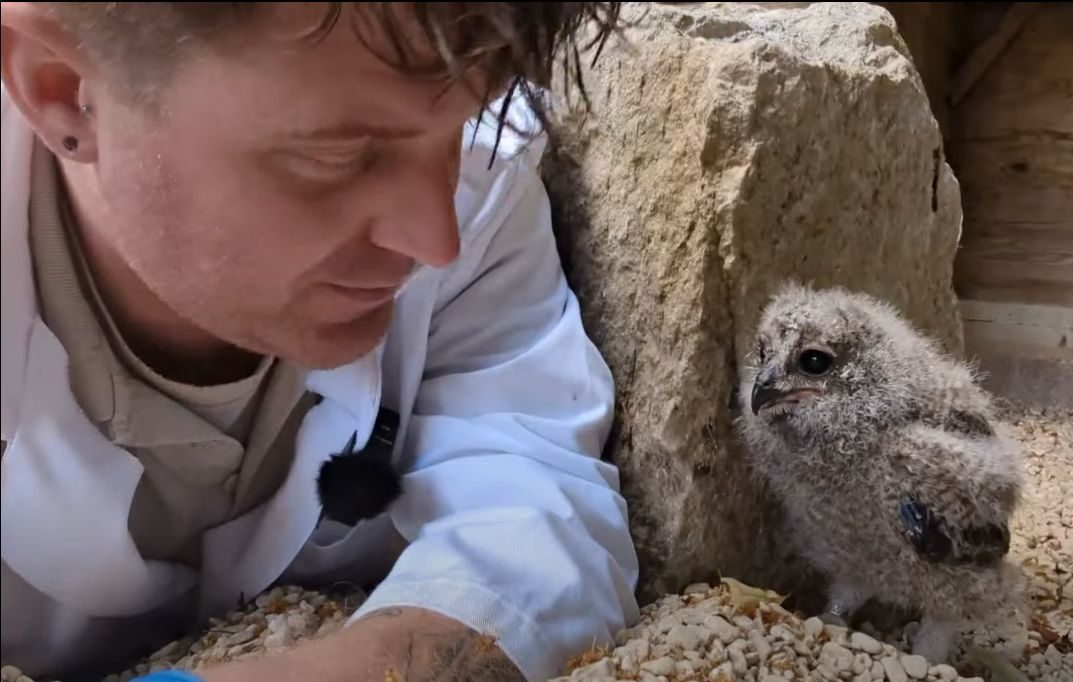
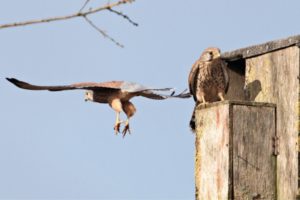
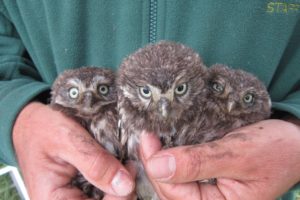
With the early signs looking much improved on last year, then this year’s monitoring is going to be an even more incredibly busy time than usual – which we are very pleased about. Whilst a good year for nest boxes is hard work, seeing the chicks is so rewarding, a truly magical experience, Matt never tires of.  Check out some of the images from some of Matt’s nest box visits so far this year – very exciting!

If you would like to support this work, please click here to donate.

©2026 Hawk Conservancy Trust